Understanding the lifespan of your air conditioning (AC) unit is crucial for homeowners who want to maintain a comfortable living environment while managing energy costs. On average, most AC units are designed to last between 10 to 15 years, but this range can vary significantly based on several factors. Knowing how long your specific model is expected to last can help you plan for potential replacements and avoid unexpected breakdowns during peak usage times.Several elements influence the longevity of an AC unit, including the quality of the installation, the frequency and quality of AC maintenance , and the local climate conditions. For instance, units that are installed correctly and receive regular professional maintenance tend to last longer than those that are neglected.
Additionally, if you live in an area with extreme temperatures or high humidity, your AC unit may experience more wear and tear, potentially shortening its lifespan.Regular maintenance plays a pivotal role in extending the life of your air conditioning system. Simple tasks such as changing filters, cleaning coils, and scheduling annual inspections can significantly enhance efficiency and performance. When these maintenance tasks are overlooked, it can lead to increased energy consumption and a higher likelihood of mechanical failures. Therefore, understanding the importance of routine care not only helps in prolonging your unit's life but also ensures that it operates at optimal efficiency.In summary, being aware of your AC unit's expected lifespan and the factors that affect it is essential for making informed decisions about maintenance and replacement.
By prioritizing regular upkeep and understanding when your system may need replacing, you can ensure a comfortable home environment while avoiding costly repairs or premature replacements.
Signs That Indicate It's Time for a Replacement
Recognizing the signs that indicate your air conditioning unit may need replacement is crucial for maintaining a comfortable home environment. Here are some key indicators to watch for:- Frequent Repairs: If you find yourself calling for repairs multiple times each season, it’s a clear sign that your AC unit is struggling. Frequent breakdowns not only disrupt your comfort but can also lead to escalating repair costs. If the total cost of repairs approaches or exceeds half the price of a new unit, it’s time to consider replacement.
- Rising Energy Bills: An increase in your energy bills can be a significant indicator of an inefficient air conditioning system.
As units age, they often lose their ability to cool effectively, causing them to work harder and consume more energy. If you notice a consistent upward trend in your energy costs without any changes in usage, it may be time to evaluate your AC unit.
- Inadequate Cooling: If certain rooms in your home are consistently warmer than others or if your AC struggles to maintain the set temperature, this could signal that the unit is no longer functioning efficiently. Inadequate cooling can stem from various issues, including refrigerant leaks or failing components, which may warrant a replacement.
- Age of the Unit: The age of your air conditioning system plays a significant role in its performance. Most units have a lifespan of 10 to 15 years.
If your system is approaching or has surpassed this age range, it’s wise to start considering a replacement, especially if you’re experiencing other issues.
- Unusual Noises: Strange sounds such as grinding, squealing, or rattling can indicate mechanical problems within the unit. While some noises may be fixable, persistent unusual sounds often suggest that the system is nearing the end of its life.
- Humidity Issues: An effective air conditioning system should help regulate humidity levels in your home. If you notice excessive humidity or dampness indoors, it could mean that your AC is not removing moisture effectively, which may necessitate a replacement.
The Cost-Benefit Analysis of Repairing vs.
Replacing Your AC UnitWhen faced with the decision of whether to repair or replace your air conditioning unit, a thorough cost-benefit analysis is essential. Understanding the financial implications of each option can help you make an informed choice that aligns with your budget and long-term savings goals.
Repairing Your AC Unit
- Immediate Costs: The cost of repairs can vary significantly based on the issue at hand. Minor repairs, such as replacing a capacitor or cleaning coils, may only set you back a few hundred dollars. However, more extensive repairs, like replacing a compressor, can cost upwards of $1,500.
- Frequency of Repairs: If your unit is older and requires frequent repairs, these costs can add up quickly.
A good rule of thumb is the "$5,000 rule"—if your repair costs exceed 50% of the unit's value and it’s over 10 years old, it may be time to consider replacement.
- Temporary Relief: While repairs can provide immediate relief and extend the life of your unit, they are often just that—temporary. If your AC is nearing the end of its lifespan, you may find yourself facing another repair sooner rather than later.
Replacing Your AC Unit
- Initial Investment: The upfront cost of a new air conditioning unit can be daunting, typically ranging from $3,000 to $7,000 depending on the model and installation requirements. However, this investment can lead to significant long-term savings.
- Energy Efficiency: Newer models are designed with advanced technology that enhances energy efficiency. This means lower utility bills—often up to 30% less than older units.
Over time, these savings can offset the initial purchase price.
- Increased Comfort: A new AC unit not only cools your home more effectively but also operates more quietly and reliably. Many modern systems come equipped with smart technology that allows for better temperature control and monitoring.
Long-Term Considerations
When weighing the options between repairing and replacing your AC unit, consider not just the immediate costs but also the long-term benefits. Investing in a new system may seem expensive at first glance; however, the potential for energy savings, increased comfort, and reduced repair frequency makes it a worthwhile consideration for many homeowners.Ultimately, the decision should be based on a combination of factors including your current unit's age, performance issues, and your budget. Consulting with an HVAC professional can provide additional insights tailored to your specific situation.
The Role of Regular Maintenance in Extending Your AC's Life
Regular maintenance is crucial for ensuring the longevity and efficiency of your air conditioning unit.Just like any other mechanical system, your AC requires consistent care to operate at its best. Neglecting routine maintenance can lead to a host of problems, including decreased performance, higher energy bills, and ultimately, a shorter lifespan for your unit.
Importance of AC Maintenance
One of the primary reasons to prioritize AC maintenance is to prevent minor issues from escalating into major repairs. During regular service visits, HVAC professionals can identify and address potential problems before they become costly breakdowns. This proactive approach not only saves you money but also ensures that your home remains comfortable during the hottest months of the year.
How to Maintain Your Air Conditioner
- Change Filters Regularly: One of the simplest yet most effective maintenance tasks is changing or cleaning your air filters every 1-3 months.
Clogged filters restrict airflow, making your system work harder and less efficiently.
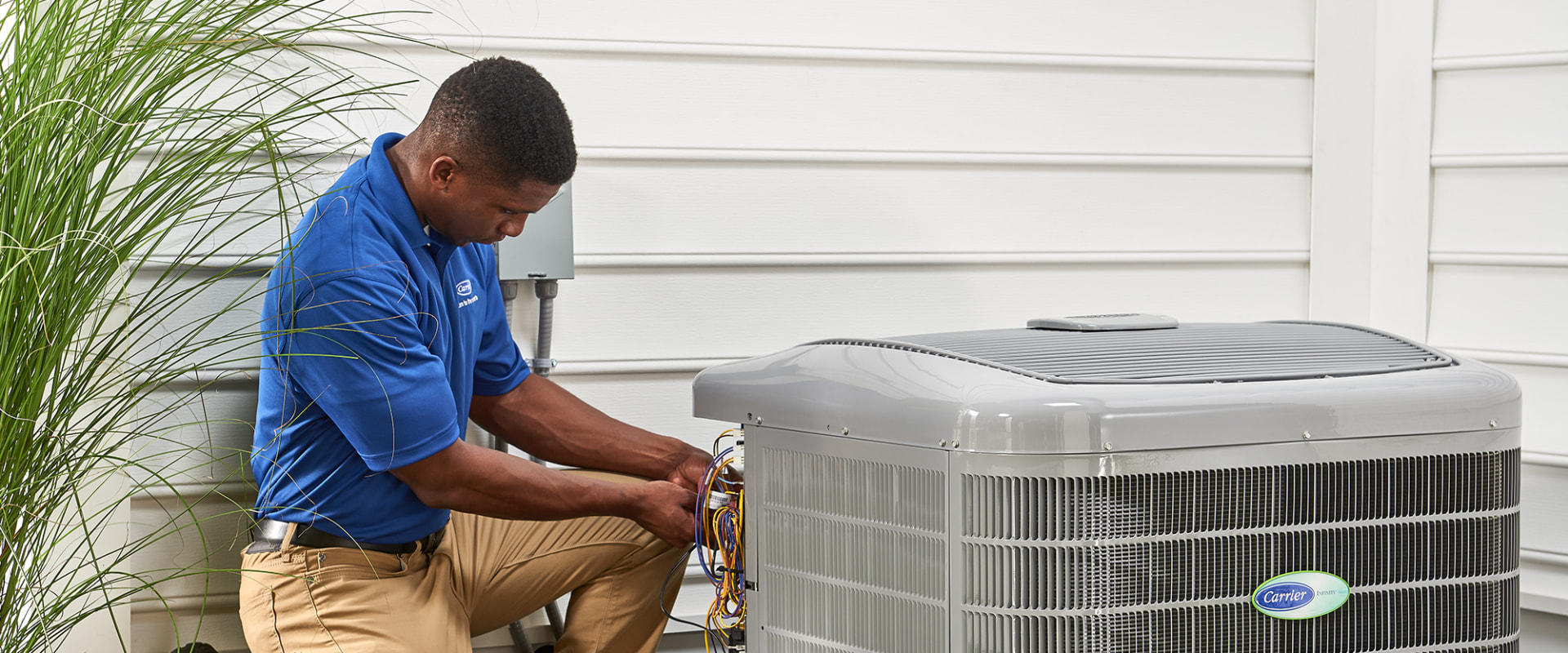
- Keep the Outdoor Unit Clean: Ensure that the outdoor condenser unit is free from debris such as leaves, dirt, and grass clippings. A clean unit can improve airflow and efficiency.
- Schedule Professional Inspections: At least once a year, have a qualified technician perform a comprehensive inspection and tune-up of your system. This includes checking refrigerant levels, inspecting electrical components, and cleaning coils.
- Monitor Thermostat Settings: Ensure that your thermostat is functioning correctly and set to an appropriate temperature. Consider upgrading to a programmable thermostat for better energy management.
Benefits of Regular AC Service
The benefits of regular AC service extend beyond just preventing breakdowns.
Here are some key advantages:
- Improved Energy Efficiency: A well-maintained air conditioning unit operates more efficiently, which can lead to lower energy bills.
- Enhanced Comfort: Regular maintenance helps ensure that your AC provides consistent cooling throughout your home, enhancing overall comfort levels.
- Extended Lifespan: By investing in routine maintenance, you can significantly extend the lifespan of your air conditioning unit, delaying the need for costly replacements.
- Better Air Quality: Regularly changing filters and cleaning components can improve indoor air quality by reducing allergens and pollutants circulating in your home.
Energy Efficiency and Modern AC Units: What You Need to Know
As technology continues to evolve, so do the capabilities of air conditioning systems. Modern AC units are designed with energy efficiency in mind, which not only benefits your wallet but also contributes positively to the environment. Understanding these advancements can help you make an informed decision when considering a replacement.Energy-Efficient AC Units
Today's air conditioners often come equipped with advanced features that significantly enhance their energy efficiency.
One of the most notable improvements is the introduction of variable-speed compressors. Unlike traditional units that operate at a single speed, variable-speed compressors can adjust their output based on the cooling demand. This means they can run at lower speeds for longer periods, consuming less energy while maintaining a comfortable indoor temperature.Additionally, many modern AC units utilize inverter technology, which allows for more precise control over the cooling process. This technology not only reduces energy consumption but also minimizes wear and tear on the system, extending its lifespan.
Benefits of Modern Air Conditioners
- Lower Energy Bills: With improved efficiency ratings, newer models can lead to substantial savings on your monthly energy bills.
Many units now boast SEER (Seasonal Energy Efficiency Ratio) ratings of 16 or higher, compared to older models that may only achieve ratings of 10 or 12.
- Enhanced Comfort: Modern systems are designed to provide more consistent temperatures throughout your home. Features like multi-stage cooling and smart thermostats allow for better temperature regulation, ensuring that every room remains comfortable.
- Environmental Impact: By upgrading to an energy-efficient AC unit, you are not only saving money but also reducing your carbon footprint. Newer models use refrigerants that have a lower impact on the ozone layer and contribute less to global warming.
Energy Savings with New AC
The potential for energy savings with new air conditioning systems is significant. According to the U.
S. Department of Energy, replacing an old air conditioner with a new, energy-efficient model can save homeowners between 20% and 50% on their cooling costs. This means that while the initial investment may seem high, the long-term savings can quickly offset those costs.Moreover, many utility companies offer rebates and incentives for homeowners who choose to upgrade to energy-efficient models. These programs can further reduce the financial burden of purchasing a new system.In conclusion, investing in a modern air conditioning unit not only enhances your comfort but also provides substantial energy savings and environmental benefits.
As you consider replacing your old unit, keep in mind the advancements in technology that make today’s systems more efficient than ever before.
Timing Your Replacement: Seasonal Considerations and Market Trends
When considering the best time to replace your AC unit, it’s essential to take into account seasonal factors and market trends that can significantly influence both the cost and availability of new systems. Understanding these elements can help you make a more informed decision, ensuring that you not only get the best deal but also avoid the stress of a last-minute replacement.One of the most favorable times to replace your air conditioning unit is during the off-peak seasons, typically in the spring or fall. During these periods, demand for HVAC services tends to be lower, which can lead to:- Lower Prices: Many HVAC companies offer discounts or promotions during the off-peak months to encourage customers to schedule installations. This can result in significant savings on your new unit.
- Better Availability: With fewer customers seeking replacements, you are more likely to find a wider selection of units available for installation.
This allows you to choose a model that best fits your needs without feeling rushed.
- Flexible Scheduling: Technicians are often less busy during these times, making it easier to schedule an installation at your convenience.
- Higher Costs: Increased demand often results in higher prices for both units and installation services. You may end up paying a premium for a new system simply because you waited until the heat was unbearable.
- Limited Options: With many homeowners seeking replacements simultaneously, popular models may be out of stock or have longer lead times for installation.
By planning your replacement around these releases, you can take advantage of:
- Energy Efficiency: Newer models typically offer improved energy efficiency ratings, which can translate into lower utility bills over time.
- Incentives and Rebates: Many manufacturers and local governments provide incentives for upgrading to energy-efficient systems. These programs often align with new product launches, making it an ideal time for replacement.
Incentives and Rebates for Upgrading Your Air Conditioning System
Upgrading your air conditioning system can be a significant financial investment, but various incentives and rebates are available to help offset the costs. Understanding these options can make the transition to a more energy-efficient unit not only feasible but also financially advantageous.Many states and local governments offer rebates for homeowners who choose to replace their old AC units with newer, energy-efficient models.These rebates can vary widely depending on your location and the specific energy efficiency standards met by the new unit. For instance, some programs may provide cash back based on the SEER (Seasonal Energy Efficiency Ratio) rating of the new system. Higher-rated systems often qualify for larger rebates.In addition to state and local rebates, federal tax credits may also be available for energy-efficient HVAC upgrades. Homeowners can often claim a percentage of the cost of qualifying systems on their federal tax returns, which can significantly reduce the overall expense of upgrading.
It’s essential to check the current IRS guidelines or consult a tax professional to ensure you take full advantage of these credits.Utility companies frequently offer their own incentives as well. Many electric and gas providers have programs designed to encourage customers to upgrade to more efficient appliances. These programs might include direct rebates, financing options, or even free energy audits that can help identify the best solutions for your home.For those who may need additional financial assistance, there are also low-interest financing options available through various organizations and government programs. These financing plans allow homeowners to spread out the cost of their new AC unit over time, making it more manageable within their budget.To maximize your savings, it’s advisable to:
- Research local programs: Check with your state’s energy office or local utility company for specific rebate programs.
- Consult with HVAC professionals: They can provide insights into which units qualify for rebates and help you navigate the application process.
- Keep documentation: Save all receipts and documentation related to your purchase and installation, as these will be necessary for claiming rebates or tax credits.
By taking advantage of available rebates and incentives, homeowners can not only improve their comfort but also make a smart financial decision that pays off in the long run.
Frequently Asked Questions About AC Replacement and Maintenance
When it comes to AC replacement and maintenance, homeowners often have numerous questions. Understanding these common queries can help you make informed decisions about your air conditioning system.What are the signs that my AC unit needs to be replaced?
Several indicators suggest it might be time for a replacement:- Age: If your AC unit is over 15 years old, it may be less efficient and more prone to breakdowns.
- Frequent Repairs: If you find yourself calling for repairs multiple times a year, it may be more cost-effective to invest in a new unit.
- Increased Energy Bills: A sudden spike in your energy costs can indicate that your AC is working harder than it should, often due to inefficiency.
- Inconsistent Cooling: If some rooms are cooler than others or if the unit struggles to maintain the desired temperature, it may be time for a replacement.
How often should I schedule AC maintenance?
Regular maintenance is crucial for the longevity and efficiency of your air conditioning system. It is generally recommended to schedule professional maintenance at least once a year, ideally before the cooling season begins. This allows technicians to:- Inspect and clean components
- Check refrigerant levels
- Identify potential issues before they become major problems
What should I do if my AC is not cooling properly?
If your air conditioning unit is not providing adequate cooling, consider the following troubleshooting steps:- Check the Thermostat: Ensure that it is set to the desired temperature and functioning correctly.
- Inspect Air Filters: Clogged filters can restrict airflow, leading to poor cooling performance.
Replace or clean them regularly.
- Examine Vents: Make sure that all vents are open and unobstructed by furniture or other objects.
- Look for Refrigerant Leaks: Low refrigerant levels can hinder cooling; if you suspect a leak, contact a professional.
Conclusion: Making an Informed Decision About Your Air Conditioning Unit
Deciding when to replace your air conditioning unit is a significant choice that can impact your comfort, energy bills, and overall home environment. Throughout this article, we have explored various factors that influence this decision, emphasizing the importance of AC maintenance and understanding your unit's performance.First and foremost, it is crucial to recognize the age of your air conditioning system. Most units have a lifespan of 10 to 15 years, and as they age, their efficiency tends to decline. If your AC unit is approaching or has surpassed this age range, it may be time to consider a replacement.Newer models not only offer improved energy efficiency but also come equipped with advanced technology that can enhance your comfort.Another key point discussed is the frequency and cost of repairs. If you find yourself calling for repairs multiple times each season or facing costly fixes that exceed half the price of a new unit, it may be more economical in the long run to invest in a replacement. Regular AC maintenance can help prolong the life of your unit, but there comes a point when repairs become impractical.Additionally, consider your comfort level. If your air conditioning system struggles to maintain a consistent temperature or fails to cool your home adequately, these are clear indicators that it may be time for an upgrade.
A well-functioning AC unit should provide reliable cooling without excessive noise or energy consumption.Lastly, take advantage of available incentives such as rebates for upgrading to energy-efficient models. These programs can significantly offset the initial investment and make replacing your old unit more financially feasible.In conclusion, making an informed decision about replacing your air conditioning unit involves evaluating its age, performance, repair costs, and available incentives. By staying proactive with AC maintenance and being aware of these factors, you can ensure that you choose the best option for your home and budget.