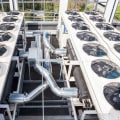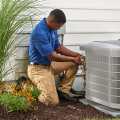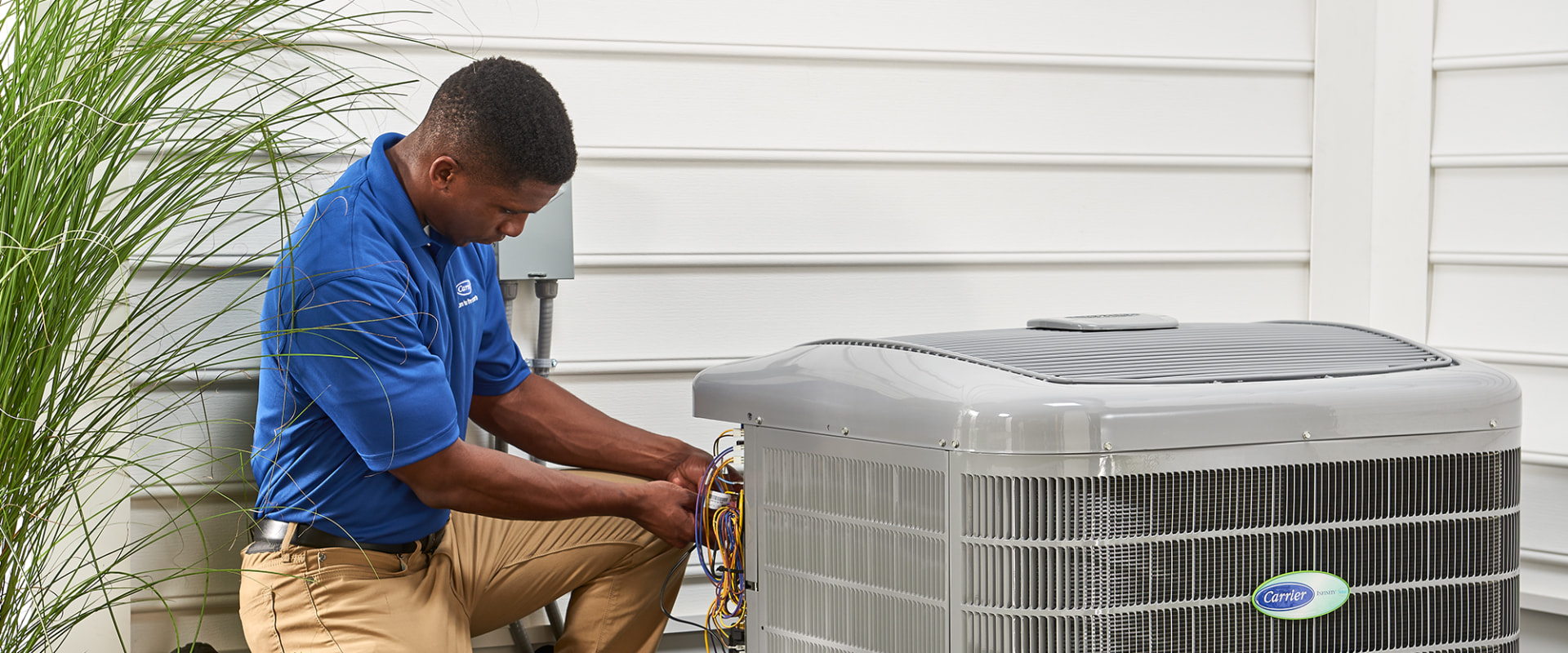
To effectively extend the lifespan of your air conditioning unit, it is essential to first understand how these systems operate. An air conditioning unit is a complex assembly of components that work together to regulate indoor temperatures and maintain comfort. At its core, the system consists of a compressor, condenser, evaporator coil, and an expansion valve. Each part plays a critical role in the cooling process, and any malfunction can lead to decreased efficiency or complete system failure. The compressor is often referred to as the heart of the air conditioning unit.
It circulates refrigerant through the system, compressing it into a high-pressure gas before it moves to the condenser. The condenser then releases heat from the refrigerant, allowing it to transform into a liquid state. This liquid refrigerant then travels to the evaporator coil , where it absorbs heat from the indoor air, cooling it down before returning to the compressor. Understanding this cycle is crucial for recognizing how maintenance practices can enhance performance and longevity. Regular AC maintenance is vital for ensuring that each component functions optimally.
Neglecting routine checks can lead to dirt buildup, refrigerant leaks, and other issues that not only reduce efficiency but also shorten the lifespan of your unit. By familiarizing yourself with these components and their functions, you can better appreciate the importance of proactive maintenance strategies. This knowledge empowers homeowners to take actionable steps in preserving their air conditioning systems, ultimately leading to improved comfort and reduced energy costs. Moreover, understanding your air conditioning unit allows you to identify potential problems early on. For instance, if you notice unusual noises or inconsistent cooling, these could be signs that something is amiss within the system.
Addressing these issues promptly can prevent more significant damage and costly repairs down the line. In essence, a well-maintained air conditioning unit not only enhances your comfort but also contributes significantly to its overall lifespan.
The Importance of Regular AC Maintenance
Regular maintenance of your air conditioning unit is not just a recommendation; it is a necessity for ensuring its longevity and optimal performance. By adhering to a consistent AC maintenance schedule, homeowners can reap numerous benefits that go beyond mere comfort.Improved Efficiency
One of the most significant advantages of regular maintenance is the enhancement of your system's efficiency. Over time, dust and debris can accumulate in the filters, coils, and ducts of your air conditioning unit.
This buildup forces the system to work harder to cool your home, leading to increased energy consumption. By scheduling routine cleanings and inspections, you can ensure that your AC operates at peak efficiency, which not only keeps your home comfortable but also reduces energy bills.
Reduced Repair Costs
Another compelling reason to maintain your air conditioner regularly is the potential for reduced repair costs. Many issues can be identified and addressed during routine maintenance before they escalate into major problems. For instance, a small refrigerant leak or a worn-out belt can be fixed easily and inexpensively if caught early.
In contrast, neglecting these minor issues can lead to significant breakdowns that require costly repairs or even complete system replacement.
Extended Lifespan
Regular maintenance directly contributes to extending the lifespan of your air conditioning unit. Just like any other mechanical system, an AC unit requires care to function optimally over time. By investing in annual inspections and servicing, you can help prevent premature wear and tear on critical components, allowing your system to last longer than its average lifespan.
Enhanced Air Quality
In addition to efficiency and cost savings, regular maintenance plays a crucial role in improving indoor air quality. A well-maintained air conditioning system filters out dust, allergens, and pollutants more effectively, contributing to a healthier living environment for you and your family.
This is particularly important for individuals with allergies or respiratory issues.
Establishing a Maintenance Schedule
To maximize these benefits, it is essential to establish a regular maintenance schedule. Most experts recommend having your air conditioning unit serviced at least once a year, ideally before the cooling season begins. This proactive approach allows technicians to inspect all components, clean necessary parts, and make any adjustments needed to ensure optimal performance throughout the hot months.In conclusion, the importance of regular AC maintenance cannot be overstated. From improved efficiency and reduced repair costs to enhanced air quality and extended lifespan, the benefits are clear.
By committing to a consistent maintenance schedule, you are not only protecting your investment but also ensuring a comfortable and healthy home environment.
Key Maintenance Tasks for Your AC Unit
To ensure your air conditioning unit operates efficiently and lasts as long as possible, it is essential to perform regular AC maintenance tasks. These tasks not only enhance the performance of your system but also help in identifying potential issues before they escalate into costly repairs. Here are some key maintenance tasks every homeowner should prioritize:- Change or Clean Air Filters: One of the simplest yet most effective maintenance tasks is to regularly change or clean the air filters. Clogged filters restrict airflow, making your AC work harder and less efficiently.
It is recommended to check the filters monthly and replace or clean them every 1-3 months, depending on usage and the type of filter.
- Clean the Coils: The evaporator and condenser coils can accumulate dirt over time, which reduces their ability to absorb and release heat. Cleaning these coils at least once a year can significantly improve efficiency. Use a soft brush or a vacuum with a brush attachment to gently remove dirt from the coils.
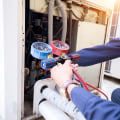
- Inspect Refrigerant Levels: Low refrigerant levels can indicate a leak, which can lead to decreased cooling efficiency and potential damage to the compressor. Regularly checking refrigerant levels and ensuring they are within the manufacturer’s specifications is crucial for optimal performance.
- Clear Drain Lines: A clogged condensate drain line can cause water damage and increase humidity levels in your home.
To prevent this, inspect the drain line regularly and clear any blockages using a wet/dry vacuum or a plumber’s snake.
- Check Thermostat Settings: Ensure that your thermostat is functioning correctly and set to an appropriate temperature. Consider upgrading to a programmable thermostat for better energy management and convenience.
- Inspect Ductwork: Leaky ducts can lead to significant energy loss and reduced efficiency. Inspect your ductwork for any visible signs of wear or damage, and consider sealing any leaks with duct tape or mastic sealant.
- Schedule Professional Maintenance: While many maintenance tasks can be performed by homeowners, scheduling an annual professional inspection is vital. HVAC technicians can identify issues that may not be visible to the untrained eye, ensuring your system runs smoothly.
Regular maintenance not only saves you money on energy bills but also provides peace of mind knowing that your home will remain comfortable during those hot summer months.
Signs Your AC Needs Attention
Recognizing the signs that your air conditioning unit requires attention is crucial for maintaining its efficiency and prolonging its lifespan. Ignoring these indicators can lead to more significant issues down the line, resulting in costly repairs or even premature replacement. Here are some common signs that suggest your AC may need professional evaluation:- Inconsistent Cooling: If certain rooms in your home are warmer than others, it may indicate a problem with your AC system. This inconsistency can stem from issues such as blocked ducts, low refrigerant levels, or a malfunctioning thermostat.
- Unusual Noises: Air conditioning units typically operate quietly.
If you start hearing strange sounds like grinding, squealing, or banging, it could signal mechanical issues that require immediate attention.
- Foul Odors: A musty or burning smell coming from your AC can indicate mold growth or electrical problems. These odors should not be ignored, as they can pose health risks and indicate serious malfunctions.
- Increased Energy Bills: A sudden spike in your energy costs without a corresponding increase in usage may suggest that your air conditioning unit is working harder than it should. This inefficiency can be due to various factors, including dirty filters or failing components.
- Water Leaks: If you notice water pooling around your AC unit, it could be a sign of a clogged drain line or a refrigerant leak. Both issues require prompt attention to prevent water damage and maintain system efficiency.
- Frequent Cycling: If your air conditioner turns on and off frequently, it may be short cycling due to an oversized unit or a malfunctioning thermostat.
This not only affects comfort but also increases wear and tear on the system.
Choosing the Right Air Conditioning Unit for Longevity
When it comes to ensuring the longevity of your air conditioning unit, selecting the right model is crucial. The market is flooded with various options, and making an informed choice can significantly impact both the lifespan and efficiency of your system.Here are some key factors to consider when choosing an air conditioning unit that is likely to last longer.
1.Size Matters
One of the most critical aspects of selecting an air conditioning unit is its size. An improperly sized unit can lead to numerous issues:- Oversized Units: If the unit is too large for your space, it will cycle on and off frequently, leading to increased wear and tear on components.
- Undersized Units: Conversely, a unit that is too small will struggle to cool your home effectively, causing it to run continuously and potentially overheat.
2.Energy Efficiency Ratings
Energy efficiency is another vital factor that can influence both the performance and lifespan of your air conditioning unit. Look for models with high Seasonal Energy Efficiency Ratio (SEER) ratings. A higher SEER rating indicates better energy efficiency, which not only reduces your utility bills but also minimizes the strain on the system.Investing in energy-efficient options can lead to:- Lower Operating Costs: Efficient units consume less energy, resulting in significant savings over time.
- Reduced Environmental Impact: Energy-efficient models contribute to lower greenhouse gas emissions.
3.Brand Reliability
The brand of your air conditioning unit plays a significant role in its longevity.Some manufacturers are known for producing durable and reliable systems. Researching customer reviews and industry ratings can provide insight into which brands consistently deliver quality products.Additionally, consider the availability of parts and service for the brand you choose. A manufacturer with a strong support network will make it easier to maintain your unit over its lifespan.
4.Advanced Features
Modern air conditioning units come equipped with advanced features that enhance their performance and longevity:- Variable Speed Compressors: These compressors adjust their speed based on cooling needs, leading to more efficient operation and less wear on components.
- Smart Thermostats: These devices allow for better temperature control and scheduling, optimizing energy use and reducing strain on the system.
Environmental Factors Affecting AC Lifespan
The lifespan of your air conditioning unit is significantly influenced by various environmental factors.Understanding these factors can help homeowners take proactive measures to extend the life of their systems. Here, we will explore how climate, location, and outdoor conditions impact the longevity of air conditioning units.
Climate Impact on Air Conditioning
One of the most critical environmental factors affecting your AC unit is the climate in which you live. Regions with extreme temperatures—whether hot or cold—place additional stress on air conditioning systems. For instance, in areas with high humidity, the AC unit must work harder to remove moisture from the air, which can lead to increased wear and tear.Conversely, in arid climates, while humidity is low, dust and debris can accumulate more quickly in the system, potentially leading to clogs and reduced efficiency.
Homeowners in these regions should consider implementing regular cleaning schedules for their units to mitigate these effects.
Outdoor Conditions and AC Units
The physical environment surrounding your air conditioning unit also plays a vital role in its performance and lifespan. Units that are exposed to direct sunlight for extended periods may experience overheating, which can lead to premature failure. To combat this, homeowners can:
- Install awnings or shades to protect the unit from direct sunlight.
- Ensure that there is adequate airflow around the unit by keeping vegetation trimmed back.
- Regularly clean the outdoor coils to prevent dirt buildup that can hinder performance.
Location Considerations
The location of your air conditioning unit can also affect its efficiency and longevity. Units placed in areas with poor ventilation or near heat sources (like grills or exhaust fans) may struggle to operate effectively.
It’s advisable to position your AC unit in a shaded area with good airflow to enhance its efficiency.Additionally, if you live in a region prone to severe weather conditions such as hurricanes or heavy storms, consider investing in protective measures like storm shutters or elevated platforms for your outdoor units. These precautions can help shield your system from potential damage during extreme weather events.In summary, understanding how environmental factors influence your air conditioning unit's lifespan is crucial for effective maintenance. By taking steps to mitigate the impact of climate and outdoor conditions, homeowners can significantly enhance the durability and efficiency of their AC systems.
Professional AC Services: When and Why to Hire Experts
When it comes to maintaining your air conditioning unit, the question often arises: should you handle the maintenance yourself or hire a professional? While DIY maintenance can be beneficial for minor tasks, there are several compelling reasons to consider professional AC maintenance services .1.Expertise and Experience
HVAC professionals bring a wealth of knowledge and experience to the table. They are trained to identify issues that may not be immediately apparent to the average homeowner.
This expertise allows them to perform thorough inspections and maintenance, ensuring that your system operates efficiently and effectively.
2.Comprehensive Maintenance
Professional services typically include a comprehensive checklist that covers all aspects of your air conditioning unit. This includes:
- Checking refrigerant levels
- Inspecting electrical components
- Cleaning coils and filters
- Testing thermostat accuracy
- Examining ductwork for leaks
3.Safety Considerations
Air conditioning units involve electrical components and refrigerants that can be hazardous if mishandled. Hiring an HVAC professional ensures that all safety protocols are followed, reducing the risk of accidents or injuries during maintenance or repairs.
4.Warranty Protection
If your air conditioning unit is still under warranty, performing maintenance yourself may void it. Most manufacturers require proof of professional maintenance to keep warranties valid.
By hiring experts, you ensure compliance with these requirements.
5.When to Seek Professional Help
It’s essential to know when to call in the experts. Here are some signs that indicate it’s time to hire a professional:
- Your AC unit is making unusual noises.
- You notice a significant increase in energy bills without a change in usage.
- The system is blowing warm air instead of cool air.
- You see water pooling around the unit.
- The thermostat is unresponsive or inaccurate.
6.Benefits of Expert AC Care
Investing in professional AC services not only enhances the lifespan of your unit but also improves its efficiency, leading to lower energy costs and a more comfortable living environment. Regular expert care can also enhance indoor air quality by ensuring that filters and ducts are clean and functioning properly.In conclusion, while DIY maintenance has its place, hiring HVAC professionals for AC maintenance is often the best choice for ensuring your system runs smoothly and efficiently. Their expertise, comprehensive services, and commitment to safety make them invaluable partners in maintaining your home’s comfort.
DIY Maintenance Tips for Homeowners
Maintaining your air conditioning unit doesn’t always require a professional.With a little knowledge and effort, homeowners can perform several do-it-yourself (DIY) AC maintenance tasks that can significantly enhance the efficiency and lifespan of their systems. Here are some practical tips to help you keep your air conditioner in top shape:
- Regularly Change or Clean Filters: One of the simplest yet most effective maintenance tasks is to check and replace or clean your air filters. Aim to check your filters every month, especially during peak usage seasons, and replace or clean them at least every three months.
- Keep the Outdoor Unit Clear: Ensure that the area around your outdoor condenser unit is free from debris, leaves, and vegetation. A clear space allows for proper airflow, which is essential for efficient operation.
Trim any bushes or plants that may obstruct airflow.
- Inspect the Drain Line: A clogged drain line can lead to water damage and increased humidity levels in your home. Periodically check the drain line for blockages. You can use a wet/dry vacuum to clear any obstructions or flush it with a mixture of vinegar and water to keep it clean.
- Check Thermostat Settings: Ensure that your thermostat is functioning correctly. If you have a programmable thermostat, set it to adjust temperatures according to your schedule.
This not only saves energy but also reduces wear on your AC unit.
- Clean the Coils: The evaporator and condenser coils can accumulate dirt over time, which reduces their ability to absorb heat. Use a soft brush or cloth to gently clean the coils, ensuring they are free from dust and grime.
- Seal Ducts: Inspect your ductwork for leaks or gaps that could allow cool air to escape. Sealing these leaks with duct tape or mastic sealant can improve efficiency and lower energy costs.
<strong>Conclusion</strong>
In conclusion, the importance of AC maintenance cannot be overstated when it comes to extending the lifespan of your air conditioning unit.Regular upkeep not only enhances the efficiency of your system but also significantly reduces the likelihood of costly repairs and premature replacements. By adhering to a consistent maintenance schedule, homeowners can ensure that their air conditioning units operate at peak performance, providing comfort during the hottest months of the year.Throughout this guide, we have explored various aspects of air conditioning maintenance, including:
- Regular Inspections: Scheduling annual professional inspections helps identify potential issues before they escalate into major problems.
- Filter Changes: Replacing or cleaning filters every 1-3 months is crucial for maintaining airflow and efficiency.
- Coil Cleaning: Keeping the evaporator and condenser coils clean ensures optimal heat exchange and energy efficiency.
- Drain Line Maintenance: Clearing the condensate drain line prevents water damage and mold growth, which can affect indoor air quality.
- Thermostat Calibration: Ensuring that your thermostat is functioning correctly allows for accurate temperature control and energy savings.
By taking proactive steps to care for your system, you can enjoy a cooler home environment while minimizing energy costs and environmental impact. Remember, a well-maintained air conditioning unit is not just a luxury; it’s a necessity for a comfortable living space.