Understanding the lifespan of an air conditioner is crucial for homeowners and business owners alike. Air conditioning units are essential for maintaining comfort in our living and working spaces, especially during the sweltering summer months. However, many people are unaware of how long these systems can last and what factors influence their longevity. On average, modern air conditioners can be expected to function effectively for about 15 to 20 years, but this can vary significantly based on several key elements.One of the most critical aspects that determine how long an air conditioner will last is maintenance.
Regular and proper AC maintenance not only enhances the efficiency of the unit but also extends its operational life. Neglecting routine care can lead to a host of problems, including reduced cooling capacity, increased energy consumption, and ultimately, a shorter lifespan. Simple tasks such as changing filters, cleaning coils, and scheduling annual professional inspections can make a substantial difference in how long your air conditioning system will serve you.Moreover, environmental factors play a significant role in the durability of an air conditioning unit. For instance, units that operate in extreme temperatures or are exposed to high levels of dust and debris may experience wear and tear more quickly than those in milder climates.
Understanding these variables is essential for making informed decisions about your air conditioning system. In this article, we will delve deeper into the various factors affecting air conditioner lifespan and provide insights on how to maximize the longevity of your unit through effective maintenance practices.
Average Lifespan of Air Conditioners
Understanding the average lifespan of air conditioners is crucial for homeowners looking to make informed decisions about their cooling systems. Generally, the lifespan of an air conditioning unit can vary significantly based on several factors, including the type of system, usage patterns, and maintenance practices.Modern air conditioning units typically have a lifespan ranging from 15 to 20 years. This range is influenced by advancements in technology and materials that enhance durability and efficiency.For instance, newer models often come equipped with energy-efficient components that not only reduce energy consumption but also contribute to a longer operational life.In contrast, older air conditioning systems, particularly those manufactured before the 2000s, may only last between 10 to 12 years. These units often lack the modern features that promote longevity and may be more susceptible to wear and tear due to outdated technology.It’s important to note that certain brands and models are known for their exceptional durability. For example, some Amana air conditioners can last anywhere from 15 to 30 years when properly maintained. This longevity is attributed to their robust construction and high-quality components.Factors that can influence the lifespan of an AC unit include:
- Climate: Units in extreme climates may experience more stress, leading to a shorter lifespan.
- Usage: Frequent use during hot months can wear down components faster than occasional use.
- Maintenance: Regular maintenance is key; neglected units are more likely to fail prematurely.
- Installation Quality: Proper installation by a qualified technician can significantly impact performance and longevity.
These signs include:
- Increased Energy Bills: A sudden spike in energy costs can indicate inefficiency.
- Noisy Operation: Unusual sounds may suggest mechanical issues.
- Ineffective Cooling: If your unit struggles to maintain desired temperatures, it may be time for a replacement.
Factors Influencing Air Conditioner Lifespan
The lifespan of an air conditioner is influenced by a multitude of factors, each playing a significant role in determining how long your unit will effectively cool your home. Understanding these factors can help you make informed decisions regarding AC maintenance and ultimately extend the life of your system.Climate Conditions
The climate in which you live is one of the most critical factors affecting the longevity of your air conditioning unit. Extreme temperatures, whether hot or cold, can put additional strain on your system.For instance:
- Hot Climates: In regions with high temperatures, air conditioners work harder to maintain comfortable indoor conditions. This increased workload can lead to faster wear and tear on components.
- Cold Climates: While air conditioners are primarily used for cooling, they also have components that can be affected by cold weather. If not properly winterized, these units may suffer damage from freezing temperatures.
Usage Patterns
Your usage patterns significantly impact how long your air conditioner will last. Frequent use, especially during peak summer months, can lead to quicker degradation of parts.Consider the following:
- Daily Use: If you run your AC daily for extended periods, it will naturally experience more wear than a unit that is used sparingly.
- Temperature Settings: Setting your thermostat to extremely low temperatures can cause the system to work harder than necessary, leading to increased energy consumption and potential mechanical issues.
Installation Quality
The quality of installation is another crucial factor that can influence the lifespan of an air conditioning unit. A poorly installed system may face numerous issues, including:- Improper Sizing: An air conditioner that is too small for the space will struggle to cool effectively, while one that is too large may cycle on and off frequently, leading to inefficiency and wear.
- Poor Ductwork: Leaky or poorly designed ductwork can result in significant energy loss and strain on the system, reducing its overall lifespan.
The Role of AC Maintenance in Longevity
Regular AC maintenance is essential for ensuring the longevity and efficiency of your air conditioning unit. Just like any other mechanical system, air conditioners require consistent care to operate at their best.Neglecting maintenance can lead to a host of problems, including reduced efficiency, higher energy bills, and ultimately, a shorter lifespan for your unit.One of the primary reasons why maintenance is so crucial is that it helps identify potential issues before they escalate into major problems. For instance, a simple cleaning of the air filters can prevent dust and debris from clogging the system, which can lead to overheating and increased wear on components. Regular checks can also help detect refrigerant leaks, which not only affect cooling performance but can also damage the compressor if left unaddressed.
Importance of AC Maintenance
The importance of AC maintenance cannot be overstated. Here are some key benefits:- Improved Efficiency: A well-maintained air conditioner operates more efficiently, which translates to lower energy costs.
- Extended Lifespan: Regular maintenance can significantly extend the life of your unit, often by several years.
- Better Air Quality: Clean filters and coils improve indoor air quality by reducing allergens and pollutants.
- Fewer Repairs: Routine maintenance helps catch small issues before they require costly repairs.
How to Maintain an Air Conditioner
Maintaining your air conditioner doesn’t have to be complicated.Here are some practical tips:
- Change Filters Regularly: Check and replace filters every 1-3 months, depending on usage and filter type.
- Clean the Coils: Ensure that both the evaporator and condenser coils are clean to maximize efficiency.
- Inspect Ductwork: Look for leaks or blockages in ductwork that could hinder airflow.
- Scheduling Professional Maintenance: Have a qualified HVAC technician inspect your system at least once a year for comprehensive checks.
Common Maintenance Tasks for Air Conditioners
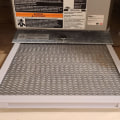
To ensure your air conditioner operates at peak efficiency and enjoys a long lifespan, regular ac maintenance is essential. Here are some common maintenance tasks that should be performed routinely:- Change or Clean Air Filters: One of the simplest yet most effective maintenance tasks is to change or clean the air filters. Clogged filters restrict airflow, making your system work harder and less efficiently.
Depending on usage, filters should be checked monthly and replaced or cleaned every 1 to 3 months.
- Inspect and Clean Coils: The evaporator and condenser coils can accumulate dirt over time. Dirty coils hinder the heat exchange process, leading to reduced efficiency. Inspect the coils at least once a year and clean them as necessary to maintain optimal performance.
- Clear Drain Lines: Air conditioners produce condensation, which is drained away through a line. If this line becomes clogged, it can lead to water damage and increased humidity levels in your home.
Regularly check the drain line for blockages and clear them to prevent issues.
- Check Refrigerant Levels: Low refrigerant levels can indicate a leak, which can severely impact your air conditioner's efficiency. Have a professional check the refrigerant levels during routine maintenance and recharge if necessary.
- Inspect Ductwork: Leaky ducts can lead to significant energy loss and reduced cooling efficiency. Inspect your ductwork for any signs of wear or damage, and seal any leaks to ensure that cool air is effectively distributed throughout your home.
- Test Thermostat Settings: Ensure that your thermostat is functioning correctly by testing its settings. A malfunctioning thermostat can lead to inconsistent temperatures and increased energy bills.
Consider upgrading to a programmable thermostat for better control over your cooling system.
- Schedule Professional Maintenance: While many tasks can be performed by homeowners, it’s crucial to schedule professional maintenance at least once a year. An HVAC technician can perform comprehensive checks, identify potential issues early, and ensure that your system runs efficiently.
Signs Your Air Conditioner Needs Attention
Recognizing the signs that your air conditioner is in distress is crucial for maintaining its efficiency and prolonging its lifespan. Ignoring these warning signals can lead to more significant issues and costly repairs.Here are some common indicators that your AC may need attention:
- Inconsistent Cooling: If certain rooms in your home are warmer than others, or if you notice that your air conditioner is struggling to maintain a consistent temperature, it may be time to investigate further. This could indicate issues with the ductwork, refrigerant levels, or even the compressor.
- Unusual Noises: Air conditioners typically operate quietly. If you hear strange sounds such as grinding, squealing, or banging, it could signal mechanical problems. These noises often indicate that components are wearing out or that there is a blockage in the system.
- Increased Energy Bills: A sudden spike in your energy bills without a corresponding increase in usage can be a red flag.
An inefficient air conditioner may be working harder to cool your home, leading to higher energy costs. Regular AC maintenance can help identify and rectify these inefficiencies.
- Foul Odors: If you detect musty or burning smells coming from your air conditioning unit, it’s essential to address this immediately. Musty odors could indicate mold growth within the system, while burning smells may suggest electrical issues or overheating components.
- Frequent Cycling: If your air conditioner turns on and off frequently, this could be a sign of an oversized unit or issues with the thermostat. Frequent cycling not only affects comfort but can also lead to increased wear and tear on the system.
- Water Leaks: Any signs of water pooling around your air conditioning unit should not be ignored.
This could indicate a clogged drain line or a refrigerant leak, both of which require immediate attention from a qualified technician.
Choosing the Right HVAC Professional for Maintenance
When it comes to maintaining your air conditioning system, selecting the right HVAC professional is crucial for ensuring its longevity and efficiency. A qualified technician can not only perform necessary maintenance tasks but also identify potential issues before they escalate into costly repairs.Here are some key factors to consider when choosing an HVAC technician:
- Experience and Qualifications: Look for technicians who have extensive experience in the field. Certifications from recognized organizations, such as the North American Technician Excellence (NATE), can indicate a higher level of expertise.
- Reputation: Research local HVAC companies and read customer reviews. Websites like Angie's List or Yelp can provide insights into the experiences of other homeowners. A company with a strong reputation is more likely to deliver quality service.
- Licensing and Insurance: Ensure that the HVAC technician is licensed to operate in your state and carries liability insurance.
This protects you from any potential damages that may occur during maintenance.
- Service Offerings: Choose a technician who offers comprehensive maintenance services, including regular inspections, cleaning, and emergency repairs. This ensures that all aspects of your AC system are covered.
- Transparent Pricing: A reliable HVAC professional should provide clear estimates and explain their pricing structure upfront. Avoid companies that offer vague quotes or hidden fees.
Ask questions about their maintenance practices, warranty policies, and how they handle emergencies.Additionally, don’t hesitate to seek recommendations from friends, family, or neighbors who have had positive experiences with local HVAC services. Personal referrals can often lead you to trustworthy professionals who prioritize customer satisfaction.In summary, investing time in finding a qualified HVAC technician can significantly impact the lifespan of your air conditioning system. Regular maintenance performed by an expert not only enhances efficiency but also helps prevent unexpected breakdowns, ultimately saving you money in the long run.
Energy Efficiency and Its Impact on Lifespan
When considering the lifespan of an air conditioner, one crucial factor that often gets overlooked is energy efficiency. The efficiency of an air conditioning unit not only affects its performance but also plays a significant role in determining how long it will last.Understanding energy efficiency ratings can help homeowners make informed decisions that benefit both their wallets and the environment.Air conditioners are typically rated using the Seasonal Energy Efficiency Ratio (SEER). This rating measures the cooling output during a typical cooling season divided by the total electric energy input during the same period. A higher SEER rating indicates a more efficient unit, which can lead to lower energy bills and reduced wear and tear on the system. When an air conditioner operates efficiently, it doesn’t have to work as hard to maintain the desired temperature, which can significantly extend its lifespan.Moreover, energy-efficient models often incorporate advanced technology that enhances their durability.
For instance, many modern units come equipped with variable-speed compressors that adjust their output based on the cooling demand. This not only improves comfort levels but also minimizes the strain on components, leading to fewer breakdowns and repairs over time.In addition to traditional models, there are also eco-friendly air conditioning options available. These units utilize refrigerants with lower global warming potential and are designed to operate with minimal environmental impact. By choosing an eco-friendly air conditioner, homeowners can contribute to sustainability efforts while enjoying the benefits of improved efficiency and potentially longer lifespans.Investing in an energy-efficient air conditioning system is not just about immediate savings; it’s a long-term strategy for maintaining comfort and reducing environmental impact.
Regular maintenance is essential to ensure that these systems continue to operate at peak efficiency. Homeowners should schedule annual check-ups with qualified HVAC professionals who can clean coils, check refrigerant levels, and replace filters as needed.In conclusion, understanding the relationship between energy efficiency and lifespan is vital for anyone looking to purchase or maintain an air conditioning unit. By opting for high-efficiency models and committing to regular maintenance, homeowners can enjoy a cooler home while maximizing the longevity of their investment.
Conclusion: Maximizing Your Air Conditioner's Lifespan
In conclusion, understanding the lifespan of your air conditioner is crucial for homeowners who want to ensure their investment lasts as long as possible. Throughout this article, we have explored various factors that influence the longevity of air conditioning units, emphasizing the pivotal role of AC maintenance.Regular maintenance is not just a recommendation; it is a necessity.By adhering to a consistent maintenance schedule, you can significantly enhance the performance and lifespan of your air conditioning system. Here are some key takeaways:
- Regular Filter Changes: One of the simplest yet most effective maintenance tasks is changing or cleaning your air filter regularly. A clogged filter restricts airflow, making your unit work harder and reducing its efficiency.
- Annual Professional Inspections: Scheduling a professional inspection at least once a year can help identify potential issues before they escalate into costly repairs. Technicians can clean components, check refrigerant levels, and ensure everything is functioning optimally.
- Coil Cleaning: The evaporator and condenser coils can accumulate dirt over time, which impairs their ability to absorb and release heat.
Regular cleaning helps maintain efficiency and prolongs the unit's life.
- Thermostat Calibration: Ensuring that your thermostat is accurately calibrated can prevent unnecessary strain on your air conditioning system. A malfunctioning thermostat can lead to excessive cycling, which can wear out components faster.
- Addressing Issues Promptly: If you notice any unusual noises, reduced cooling efficiency, or increased energy bills, it’s essential to address these issues immediately. Ignoring them can lead to more significant problems down the line.
Not only will you enjoy a comfortable indoor environment year-round, but you will also save money on repairs and replacements in the future. Make it a priority to care for your air conditioning system; it’s an investment worth protecting.