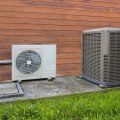
Understanding AC maintenance is crucial for homeowners who want to ensure their air conditioning systems operate at peak efficiency. At its core, AC maintenance refers to the routine checks and services performed on an air conditioning unit to keep it running smoothly. This process not only involves cleaning and inspecting various components but also includes identifying potential issues before they escalate into costly repairs. By prioritizing maintenance, homeowners can enjoy a comfortable indoor environment while extending the lifespan of their units.The importance of AC maintenance cannot be overstated.
Regular upkeep helps prevent unexpected breakdowns during the hottest months, when reliance on air conditioning is at its highest. A well-maintained system operates more efficiently, which translates to lower energy bills and a reduced carbon footprint. Furthermore, routine maintenance can enhance indoor air quality by ensuring that filters and coils are clean, thereby minimizing allergens and pollutants circulating in your home.In addition to these benefits, investing in AC maintenance fosters peace of mind. Knowing that your air conditioning unit is in optimal condition allows you to focus on enjoying your summer rather than worrying about potential malfunctions.
Whether it’s a simple filter change or a more comprehensive inspection, each aspect of maintenance plays a vital role in the overall performance of your system. As we delve deeper into the specifics of AC maintenance practices, you will discover how these services contribute to a more efficient and reliable cooling experience.
Why AC Maintenance is Crucial
Understanding the significance of AC maintenance is essential for every homeowner. Regular maintenance not only enhances the performance of your air conditioning system but also contributes to a range of benefits that can save you money and ensure comfort in your home.Energy Efficiency
One of the primary reasons why AC maintenance is crucial is its impact on energy efficiency. A well-maintained air conditioning unit operates more efficiently, consuming less energy to cool your home.
This efficiency translates into lower energy bills, which can be particularly beneficial during the sweltering summer months when air conditioning usage peaks. Regular maintenance tasks, such as cleaning or replacing air filters and inspecting coils, help maintain optimal airflow and cooling performance.
Cost Savings
Investing in regular AC maintenance can lead to significant cost savings over time. By addressing minor issues before they escalate into major problems, homeowners can avoid costly repairs or even premature replacement of their AC units. For instance, a small refrigerant leak, if left unchecked, can lead to a complete system failure, resulting in expensive repair bills.
Routine maintenance allows technicians to identify and rectify these issues early on, ensuring that your system remains in good working order.
Prevention of Major Repairs
Neglecting AC maintenance can have dire consequences. Without regular check-ups, small problems can develop into larger, more complex issues that require extensive repairs. For example, dirty coils can cause the compressor to overheat and fail, leading to a costly replacement. Additionally, a clogged condensate drain can result in water damage and mold growth within your home.
By scheduling routine maintenance, you not only prolong the lifespan of your AC unit but also safeguard your home from potential damage.
Improved Indoor Air Quality
Another critical aspect of AC maintenance is its role in enhancing indoor air quality. Over time, dust, allergens, and pollutants can accumulate in your air conditioning system. Regular cleaning and filter replacement help ensure that the air circulating through your home is clean and healthy. This is especially important for individuals with allergies or respiratory issues.
Conclusion
The importance of regular AC maintenance cannot be overstated.
From improving energy efficiency and saving costs to preventing major repairs and enhancing indoor air quality, the benefits are clear. Homeowners who prioritize maintenance will enjoy a more comfortable living environment and peace of mind knowing their AC system is operating at its best.
Key Components of AC Maintenance
Understanding the key components of AC maintenance is essential for homeowners who want to ensure their air conditioning systems operate efficiently and effectively. Regular maintenance not only prolongs the lifespan of your unit but also enhances its performance. Here’s a detailed checklist of the specific tasks typically performed during an AC maintenance visit:- Cleaning or Replacing Air Filters: Air filters are crucial for maintaining indoor air quality.
During maintenance, technicians will either clean or replace these filters to prevent dust and allergens from circulating in your home.
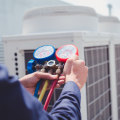
- Checking Refrigerant Levels: The refrigerant is vital for cooling your home. A technician will check the levels to ensure they are adequate and look for any leaks that could compromise efficiency.
- Inspecting and Cleaning Coils: Both the evaporator and condenser coils can accumulate dirt over time, which can hinder their ability to absorb and release heat. Cleaning these coils is a critical step in maintaining optimal performance.
- Examining Electrical Connections: Loose or damaged electrical connections can lead to system failures or safety hazards. Technicians will inspect all wiring and connections, tightening or replacing them as necessary.
- Lubricating Moving Parts: Many components within your AC unit have moving parts that require lubrication to function smoothly.
This step helps reduce friction and wear, ensuring longevity.
- Inspecting and Cleaning the Condensate Drain: A clogged condensate drain can lead to water damage and mold growth. Technicians will clear any blockages to ensure proper drainage.
- Testing System Controls: This includes checking the thermostat settings, starting cycle, and safety controls to ensure everything is functioning correctly.
- Assessing Overall System Performance: After completing the above tasks, technicians will run the system to evaluate its performance, ensuring it operates at peak efficiency.
What to Expect During an AC Maintenance Visit
When you schedule an AC maintenance visit, it’s essential to know what to expect to ensure a smooth and efficient process. Understanding the typical steps involved can help you prepare and make the most of the technician's time.Upon arrival, the HVAC technician will greet you and likely ask a few questions about your air conditioning unit's performance.This initial conversation is crucial as it allows the technician to understand any specific concerns you may have noticed, such as unusual noises, inconsistent cooling, or increased energy bills. Be prepared to share any relevant details that could assist in diagnosing potential issues.After gathering information, the technician will begin a comprehensive inspection of your AC system. Here’s what typically happens during this maintenance visit:
- Visual Inspection: The technician will start with a visual assessment of your unit, checking for any obvious signs of wear or damage.
- Air Filter Check: They will inspect the air filters and either clean or replace them as necessary. Clogged filters can significantly reduce efficiency and air quality.
- Refrigerant Levels: The technician will check the refrigerant levels to ensure they are within the manufacturer’s specifications.
Low refrigerant can indicate leaks that need addressing.
- Coil Cleaning: Both the evaporator and condenser coils will be examined and cleaned if dirt buildup is present, which can hinder performance.
- Electrical Components: All electrical connections will be inspected for safety and functionality. Loose or damaged connections can lead to system failures.
- Moving Parts Lubrication: Any moving parts will be lubricated to prevent friction and wear, ensuring smooth operation.
- Drainage System Check: The condensate drain will be inspected for clogs, which can lead to water damage or mold growth if not addressed.
- Clear Access: Ensure that the area around your AC unit is clear of debris and obstacles to allow easy access for the technician.
- Document Issues: Write down any specific problems you've noticed with your AC system to discuss with the technician.
- Schedule Wisely: Choose a time for your maintenance visit when you can be home to answer questions and receive updates on the service.
Frequency of AC Maintenance: How Often Should You Schedule?
Determining the right frequency for AC maintenance is crucial for ensuring your air conditioning system operates efficiently and effectively throughout its lifespan. Several factors influence how often you should schedule maintenance, including climate, usage patterns, and the manufacturer's recommendations.1.Climate Considerations
- Hot and Humid Climates: If you live in an area with extreme heat and humidity, your AC unit will work harder to maintain a comfortable indoor environment.
In such cases, it is advisable to schedule maintenance at least twice a year—once in the spring before the cooling season begins and again in the fall.
- Moderate Climates: For those residing in regions with milder summers, an annual maintenance check may suffice. Scheduling maintenance in early spring can help prepare your system for the warmer months ahead.
- Cold Climates: If your AC unit also functions as a heat pump, consider scheduling maintenance before the heating season begins. This ensures that both cooling and heating functions are operating optimally.
2.Usage Patterns
- High Usage: If your household frequently uses air conditioning—especially during peak summer months—more frequent maintenance checks are recommended. This helps to catch any wear and tear that may occur due to heavy usage.
- Low Usage: Conversely, if your AC unit is used sparingly, you might be able to extend the time between maintenance visits.
However, it’s still wise to have an annual check-up to ensure everything is functioning correctly.
3.Manufacturer Recommendations
Always refer to your AC unit's user manual for specific maintenance guidelines provided by the manufacturer. Many manufacturers recommend annual inspections as a standard practice to keep warranties valid and ensure optimal performance.
4.Seasonal AC Maintenance Tips
- Spring Preparation: Before the cooling season kicks in, check filters, clean coils, and inspect ductwork for any blockages or leaks.
- Fall Wrap-Up: As summer ends, consider scheduling a maintenance visit to prepare your system for winter, especially if it also serves as a heater.
Common Issues Identified During AC Maintenance
During routine AC maintenance , technicians often uncover a variety of common issues that can affect the performance and efficiency of your air conditioning system. Identifying these problems early can save homeowners from costly repairs and ensure a comfortable indoor environment.Here are some of the most frequently encountered issues:
- Dirty or Clogged Filters: One of the most common problems is dirty air filters. When filters become clogged with dust and debris, they restrict airflow, making your AC work harder to cool your home. This not only reduces efficiency but can also lead to overheating and potential system failure.
- Refrigerant Leaks: Low refrigerant levels can significantly impact your AC's cooling ability. During maintenance, technicians will check for leaks in the refrigerant lines.
If a leak is found, it must be repaired before the system can be recharged with refrigerant.
- Faulty Electrical Components: Electrical issues, such as frayed wires or malfunctioning capacitors, can pose serious risks. Technicians will inspect all electrical connections to ensure they are secure and functioning properly. Any damaged components will need to be replaced to prevent further complications.
- Blocked Condensate Drain: The condensate drain removes excess moisture from the air conditioning system. If this drain becomes clogged, it can lead to water damage and mold growth.
Regular maintenance includes checking and clearing the drain line to prevent these issues.
- Worn-Out Parts: Over time, various components of your AC unit may wear out due to regular use. This includes fan blades, motors, and belts. Technicians will assess these parts for signs of wear and recommend replacements if necessary.
- Inadequate Insulation: Poor insulation around ductwork can lead to significant energy loss. During maintenance, technicians may identify areas where insulation is lacking or damaged, which can be addressed to improve overall efficiency.
Regular inspections not only enhance the lifespan of your unit but also ensure that it operates at peak efficiency, ultimately saving you money on energy bills.
DIY vs. Professional AC Maintenance: What You Need to Know
When it comes to AC maintenance, homeowners often find themselves weighing the options between DIY approaches and hiring a professional HVAC technician. Understanding the differences between these two methods can help you make informed decisions about your air conditioning system.DIY AC Maintenance Tips
There are several maintenance tasks that homeowners can safely perform on their own, which can help keep their AC units running efficiently:- Regularly Change or Clean Air Filters: One of the simplest yet most effective maintenance tasks is to check and replace or clean the air filters every 1-3 months. Clogged filters can restrict airflow and reduce efficiency.
- Clear Debris Around the Outdoor Unit: Ensure that the area around your outdoor AC unit is free from leaves, dirt, and other debris.
This allows for proper airflow and prevents overheating.
- Inspect Ductwork for Leaks: Check visible ductwork for any signs of wear or leaks. Sealing these leaks can improve efficiency and reduce energy costs.
- Clean the Condensate Drain Line: Use a wet/dry vacuum to clear any clogs in the condensate drain line. This helps prevent water damage and mold growth.
When to Call an HVAC Technician
While DIY maintenance can be beneficial, there are certain situations where it’s crucial to call in a professional:- Complex Repairs: If you notice issues such as strange noises, reduced cooling capacity, or frequent cycling on and off, it’s best to consult an HVAC technician. These problems may indicate underlying issues that require specialized knowledge.
- Refrigerant Issues: Handling refrigerants requires certification due to environmental regulations.
If you suspect a refrigerant leak or low levels, a professional should address it.
- Electrical Problems: If you experience electrical issues with your AC unit, such as tripped breakers or burnt wires, it’s essential to seek professional help immediately to avoid safety hazards.
Cost Considerations for AC Maintenance Services
Understanding the cost of AC maintenance is crucial for homeowners who want to keep their air conditioning systems running efficiently without breaking the bank. The pricing for HVAC services can vary significantly based on several factors, and being informed can help you budget effectively for regular upkeep.One of the primary factors influencing the cost of AC maintenance is the type of service being performed. Basic maintenance, which typically includes tasks like cleaning or replacing air filters, checking refrigerant levels, and inspecting electrical connections, can range from $75 to $150 per visit.However, more comprehensive services that involve extensive cleaning or repairs can cost upwards of $200 or more.Another important consideration is the age and condition of your AC unit. Older systems may require more frequent maintenance and repairs, leading to higher overall costs. Additionally, if your unit has not been maintained regularly, it may need more extensive work to restore its efficiency, which can further increase expenses.Location also plays a significant role in determining the cost of AC maintenance. In urban areas where demand for HVAC services is high, prices may be elevated compared to rural regions.
It's advisable to obtain quotes from multiple service providers in your area to ensure you are getting a fair price.To effectively budget for AC upkeep, consider setting aside a specific amount each month dedicated to maintenance costs. This proactive approach can help you avoid financial strain when it comes time for service. Additionally, many HVAC companies offer annual maintenance plans that provide regular check-ups at a discounted rate. These plans often include priority service and discounts on repairs, making them a cost-effective option for homeowners.In conclusion, while the pricing for HVAC services can vary based on several factors, understanding these elements will empower you to make informed decisions about your AC maintenance.
By budgeting appropriately and considering annual plans, you can ensure your air conditioning system remains in optimal condition without incurring unexpected costs.
Conclusion: The Long-Term Benefits of Regular AC Maintenance
In summary, the significance of regular AC maintenance cannot be overstated. As we have explored throughout this article, maintaining your air conditioning system is not merely a matter of convenience; it is a vital investment in your home’s comfort, efficiency, and longevity. By prioritizing routine maintenance, you are taking proactive steps to ensure that your AC unit operates at peak performance.One of the most compelling reasons to commit to regular maintenance is the potential for significant cost savings. A well-maintained air conditioning system is less likely to experience major breakdowns, which can lead to expensive repairs or even the need for a complete replacement.Additionally, an efficiently running unit consumes less energy, which translates to lower utility bills. Over time, these savings can add up considerably.Moreover, regular maintenance contributes to a healthier indoor environment. Clean air filters and coils mean that your home will have better air quality, reducing allergens and pollutants that can affect your family’s health. This is particularly important for individuals with respiratory issues or allergies.Furthermore, by scheduling routine maintenance, you are also extending the lifespan of your AC unit.
Most systems are designed to last around 15-20 years with proper care. Neglecting maintenance can shorten this lifespan significantly, leading to premature replacements that can disrupt your comfort and budget.As we conclude, it’s essential to recognize that AC maintenance is not just a seasonal task; it is an ongoing commitment to your home’s comfort and efficiency. We encourage you to take action today by scheduling your next maintenance service. Whether it’s a simple check-up or a more comprehensive inspection, investing in your air conditioning system will pay dividends in the long run.Don’t wait until the heat of summer arrives—be proactive and ensure that your AC unit is ready to keep you cool when you need it most.
Your future self will thank you for the comfort and peace of mind that comes with knowing your air conditioning system is in top shape.