Maintaining your air conditioning system is not just a matter of convenience; it is essential for ensuring optimal performance, enhancing energy efficiency, and prolonging the lifespan of your unit. AC maintenance plays a pivotal role in keeping your home comfortable, especially during the sweltering summer months when the demand for cooling is at its peak. Neglecting regular maintenance can lead to a host of problems, including decreased efficiency, higher energy bills, and even costly repairs that could have been easily avoided.One of the primary benefits of regular AC maintenance is improved energy efficiency. A well-maintained air conditioner operates more effectively, consuming less energy to cool your home.
This not only translates to lower utility bills but also reduces your carbon footprint, making it an environmentally friendly choice. Additionally, routine maintenance helps identify potential issues before they escalate into major problems, saving you both time and money in the long run.Furthermore, regular maintenance contributes significantly to the longevity of your air conditioning system. Just like any other mechanical system, your AC unit requires care and attention to function optimally. By investing in routine check-ups and servicing, you can prevent premature wear and tear on critical components such as the compressor and evaporator coils.
This proactive approach not only enhances performance but also ensures that your air conditioner remains reliable for years to come.In summary, understanding the importance of AC maintenance is crucial for homeowners who wish to enjoy a comfortable living environment without incurring unnecessary expenses. By prioritizing regular maintenance, you are not only safeguarding your investment but also ensuring that your air conditioning system operates at peak efficiency when you need it most.
Key Components of Your Air Conditioner
Understanding the key components of your air conditioning system is essential for effective AC maintenance. Each part plays a vital role in ensuring that your unit operates efficiently and effectively. Here’s a closer look at the main components:- Compressor: The compressor is often referred to as the heart of the air conditioning system.
It is responsible for circulating refrigerant throughout the system. By compressing the refrigerant, it raises its temperature and pressure, allowing it to flow to the condenser coils. Regular checks on the compressor can prevent major issues, as a malfunctioning compressor can lead to complete system failure.
- Evaporator Coils: Located inside your home, the evaporator coils absorb heat from the indoor air. As warm air passes over these coils, the refrigerant inside them evaporates, cooling the air before it is circulated back into your living space.
Keeping these coils clean is crucial; dirt and debris can hinder their ability to absorb heat, leading to reduced efficiency and increased energy costs.
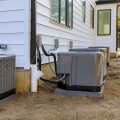
- Condenser Coils: Found outside your home, condenser coils release the heat absorbed by the refrigerant. The refrigerant condenses back into a liquid state as it releases heat to the outside air. Like evaporator coils, condenser coils must be kept clean and free from obstructions such as leaves or dirt to ensure optimal performance.
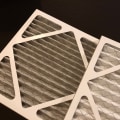
- Air Filters: Air filters are critical for maintaining indoor air quality and protecting your AC system. They trap dust, pollen, and other particles from entering the unit.
Clogged filters can restrict airflow, making your system work harder and less efficiently. It’s recommended to check and replace filters every one to two months during peak usage seasons.
How Often Should You Perform AC Maintenance?
Maintaining your air conditioning system is essential for ensuring its efficiency and longevity. However, many homeowners are often unsure about how frequently they should perform AC maintenance.Establishing a clear maintenance schedule can help you avoid costly repairs and keep your unit running smoothly.
Monthly Maintenance Tasks
- Check and Replace Air Filters: One of the simplest yet most crucial tasks is to check your air filters. Depending on usage, filters should be replaced or cleaned every month, especially during peak cooling seasons. If you have pets or live in a dusty area, consider checking them more frequently.
- Inspect the Thermostat: Ensure that your thermostat is functioning correctly. A programmable thermostat can help optimize energy use and maintain consistent temperatures.
Seasonal Maintenance Tasks
- Spring Maintenance: Before the cooling season begins, schedule a professional inspection.
This should include cleaning the evaporator and condenser coils, checking refrigerant levels, and ensuring that all electrical components are functioning properly.
- Fall Maintenance: As summer ends, it’s wise to prepare your AC for the off-season. This includes cleaning the outdoor unit, covering it to protect against debris, and checking for any signs of wear or damage.
Annual Maintenance Tasks
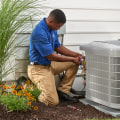
- Professional Tune-Up: At least once a year, hire a qualified HVAC technician to perform a comprehensive tune-up. This service typically includes inspecting all major components, testing system performance, and making necessary adjustments.
- Duct Cleaning: Consider having your ducts cleaned every 3 to 5 years to improve air quality and system efficiency.
DIY Maintenance Tasks for Homeowners
Maintaining your air conditioner doesn’t always require a professional technician.Homeowners can perform several DIY maintenance tasks to ensure their AC units operate efficiently and effectively. Here are some practical tips to help you take care of your home air conditioner:
- Regularly Clean or Replace Filters: One of the simplest yet most impactful tasks is to check and clean or replace the air filters. Depending on usage, filters should be cleaned or replaced every one to two months. If you have pets or live in a dusty area, consider checking them monthly.
A clean filter improves airflow and can enhance energy efficiency by up to 15%.
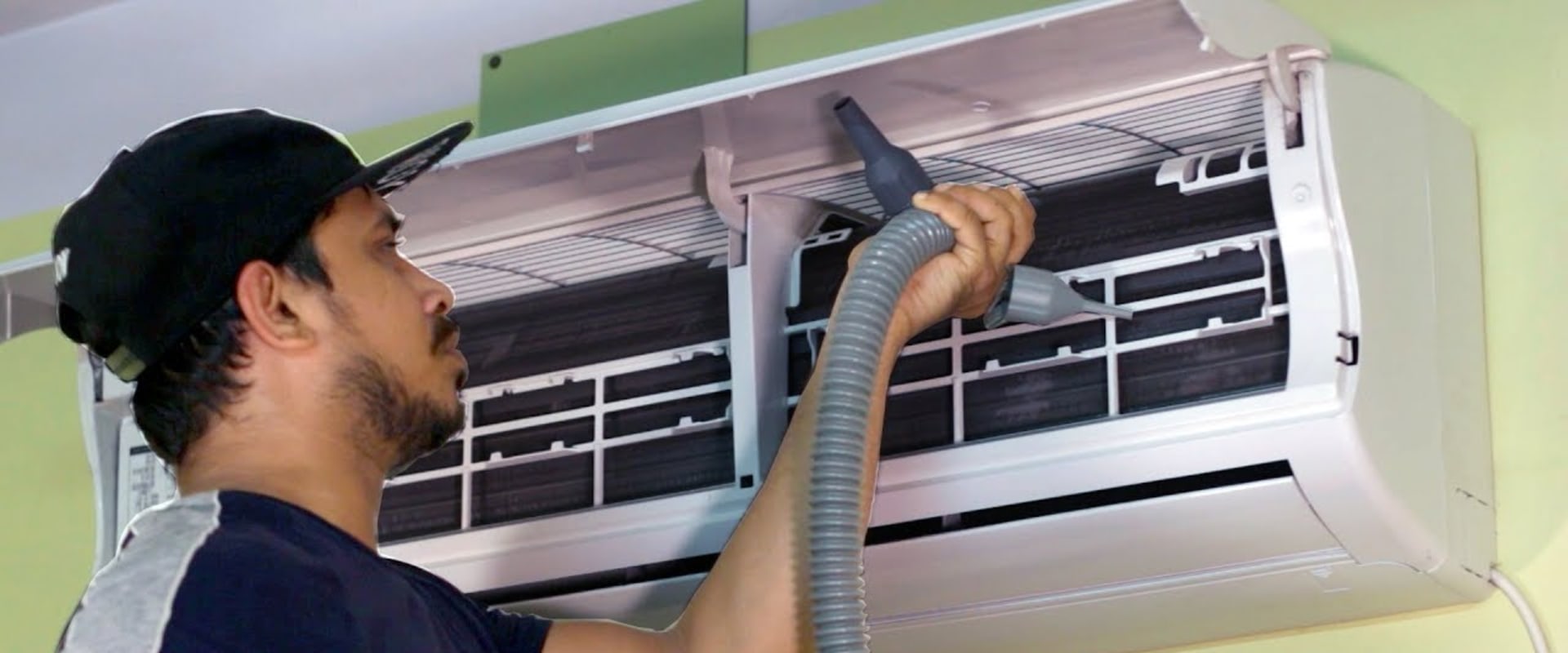
- Inspect and Clean the Fins: The fins on your AC unit can accumulate dirt and debris, which can obstruct airflow. Use a soft brush or a vacuum with a brush attachment to gently clean the fins. Be careful not to bend them, as this can affect performance.
- Clear Debris Around the Unit: Ensure that the area surrounding your outdoor unit is free from leaves, grass clippings, and other debris. A clear space allows for proper airflow and prevents overheating.
Aim for at least two feet of clearance around the unit.
- Check the Condensate Drain: The condensate drain line can become clogged with algae or dirt, leading to water damage and increased humidity levels indoors. Periodically check the drain line for blockages and clear any obstructions using a wet/dry vacuum.
- Inspect Insulation on Refrigerant Lines: Ensure that the insulation on your refrigerant lines is intact. Damaged insulation can lead to energy loss and reduced efficiency. If you notice any wear, replace it with new foam insulation.
- Test the Thermostat: Make sure your thermostat is functioning correctly by testing it at different settings.
If you have a programmable thermostat, ensure it’s set according to your cooling schedule for optimal performance.
When to Call a Professional HVAC Technician
While regular maintenance can be performed by homeowners, there are specific situations where it is essential to call in a professional HVAC technician. Understanding when to seek expert help can save you time, money, and potential damage to your air conditioning system.Signs You Need AC Repair
Recognizing the signs that your air conditioner requires professional attention is crucial. Here are some common indicators:- Unusual Noises: If your AC unit starts making strange sounds such as grinding, squealing, or banging, it may indicate a mechanical issue that needs immediate attention.
- Inconsistent Temperatures: If certain rooms in your home are significantly warmer or cooler than others, this could signal a problem with the ductwork or the AC unit itself.
- Increased Energy Bills: A sudden spike in your energy costs without a corresponding increase in usage can suggest that your air conditioner is working harder than it should due to inefficiencies.
- Foul Odors: Any unpleasant smells emanating from your AC could indicate mold growth or electrical issues, both of which require professional intervention.
- Water Leaks: If you notice water pooling around your AC unit, it could be a sign of a refrigerant leak or a clogged drain line, both of which need to be addressed by a technician.
When to Hire an HVAC Technician
In addition to recognizing signs of repair needs, there are specific times when hiring a professional is advisable:- Annual Inspections: Scheduling an annual inspection with a qualified HVAC technician is vital for maintaining the efficiency and longevity of your air conditioning system.
These inspections typically include checking refrigerant levels, cleaning coils, and ensuring all components are functioning correctly.
- Complex Repairs: If your air conditioner requires complex repairs such as replacing the compressor or fixing electrical components, it’s best to leave these tasks to professionals who have the necessary training and tools.
- System Upgrades: If you’re considering upgrading your air conditioning system or installing a new one, hiring an HVAC technician ensures that the installation is done correctly and safely.
Common AC Problems and Solutions
Air conditioners are essential for maintaining a comfortable indoor environment, especially during the sweltering summer months. However, like any mechanical system, they can encounter problems that may hinder their performance. Understanding common air conditioner issues and their solutions can empower homeowners to troubleshoot minor problems before they escalate into costly repairs.1.Insufficient Cooling
One of the most frequent complaints is that the air conditioner is not cooling effectively.This can be caused by:
- Dirty Filters: Clogged filters restrict airflow, making it difficult for the unit to cool the air. Regularly check and replace filters every one to two months.
- Thermostat Issues: Ensure that the thermostat is set to a lower temperature than the current room temperature. If it’s malfunctioning, consider recalibrating or replacing it.
- Refrigerant Leaks: Low refrigerant levels can lead to insufficient cooling. If you suspect a leak, contact a professional technician to inspect and recharge the system.
2.Unusual Noises
If your air conditioner starts making strange noises, it could indicate a problem:- Banging or Clanking: This may suggest loose or broken parts within the unit.
Turn off the AC and consult a technician.
- Squealing: A high-pitched squeal could indicate a worn-out belt or motor issue. Immediate attention is recommended to prevent further damage.
- Hissing: This sound might indicate a refrigerant leak, which requires professional assessment.
3.Water Leaks
Water pooling around your air conditioning unit can be alarming. Common causes include:- Clogged Drain Line: Over time, algae and debris can block the drain line, causing water to back up. Regularly clean this line to prevent clogs.
- Dirty Air Filters: As mentioned earlier, dirty filters can lead to ice buildup on coils, which may eventually melt and leak water.
Troubleshooting Tips
If you encounter any of these issues, here are some troubleshooting steps you can take:- Check the Thermostat: Ensure it’s functioning correctly and set to cool mode.
- Inspect Filters: Clean or replace filters as needed.
- Examine Drain Lines: Clear any blockages in the drain line.
- Look for Ice Buildup: If you see ice on the evaporator coils, turn off the unit and allow it to thaw before restarting.
Regular maintenance can also help prevent many of these common problems from occurring in the first place.
Energy Efficiency and Cost Savings Through Maintenance
Maintaining your air conditioner is not just about ensuring a comfortable indoor environment; it also plays a crucial role in enhancing energy efficiency and achieving significant cost savings. Regular maintenance can lead to improved performance, which directly impacts your energy bills.One of the primary ways that AC maintenance contributes to energy efficiency is by keeping the system clean and well-functioning. When components such as filters, coils, and fins are dirty or obstructed, the air conditioner has to work harder to cool your home. This increased workload translates into higher energy consumption.In fact, studies have shown that a well-maintained air conditioning unit can operate up to 15% more efficiently than one that is neglected.Moreover, regular maintenance helps identify potential issues before they escalate into major problems. For instance, a small refrigerant leak can cause the system to lose efficiency and increase energy costs. By scheduling routine check-ups with a professional technician, you can catch these issues early and avoid costly repairs down the line.Another aspect of energy efficiency is ensuring that your air conditioner is properly sized for your space. An oversized unit will cycle on and off frequently, leading to increased wear and tear and higher energy bills.
Conversely, a unit that is too small will struggle to cool your home effectively. During maintenance visits, technicians can assess whether your system is appropriately sized and make recommendations if necessary.In addition to improving efficiency, regular maintenance can also extend the lifespan of your air conditioning unit. A well-cared-for system can last 15 years or more, while a neglected one may need replacement after just 10 years. The cost of replacing an air conditioner can be substantial, so investing in routine maintenance is a wise financial decision.To maximize cost savings , consider implementing some DIY maintenance tasks between professional visits.
Regularly changing or cleaning filters, keeping the outdoor unit free from debris, and ensuring that vents are unobstructed can all contribute to better performance and lower energy bills.In conclusion, prioritizing AC maintenance not only enhances energy efficiency but also leads to significant cost savings over time. By investing in proper care for your air conditioning system, you can enjoy a comfortable home while keeping your utility bills in check.
Seasonal Maintenance Checklist for Your Air Conditioner
To ensure your air conditioning system operates efficiently throughout the year, it’s essential to perform seasonal maintenance. This checklist will guide you through the necessary tasks to prepare your AC unit for both summer and winter, maximizing its performance and longevity.Summer Preparation Checklist
- Clean or Replace Air Filters: Start by checking the air filters. If they are dirty or clogged, clean or replace them to improve airflow and efficiency.
Aim to do this every month during peak usage.
- Inspect the Condenser Coils: Remove any debris, leaves, or dirt from the outdoor condenser unit. A clean coil allows for better heat exchange, which is crucial during hot months.
- Check Refrigerant Levels: Ensure that your refrigerant levels are adequate. Low refrigerant can lead to inefficient cooling and increased energy costs. If levels are low, contact a professional to check for leaks and recharge the system.
- Examine Ductwork: Inspect your ductwork for any signs of leaks or blockages.
Sealing leaks can significantly improve efficiency and comfort.
- Test Thermostat Settings: Make sure your thermostat is functioning correctly. Consider upgrading to a programmable thermostat for better temperature control and energy savings.
Winter Preparation Checklist
- Cover the Outdoor Unit: Protect your outdoor AC unit from snow and ice by covering it with a weather-resistant cover. This prevents damage from harsh winter conditions.
- Clean the Area Around the Unit: Clear away any debris, snow, or ice that may accumulate around the outdoor unit. This ensures proper airflow when you start using it again in warmer months.
- Inspect Insulation on Refrigerant Lines: Check that the insulation on refrigerant lines is intact.
Proper insulation helps maintain efficiency and prevents freezing during cold weather.
- Schedule a Professional Inspection: Before winter sets in, consider having a professional HVAC technician inspect your system. They can identify potential issues and perform necessary maintenance tasks.
Conclusion: Keeping Your Air Conditioner in Top Shape
In conclusion, maintaining your air conditioner is not just a matter of convenience; it is essential for ensuring its efficiency, longevity, and overall performance. Regular AC maintenance can prevent minor issues from escalating into major problems, saving you both time and money in the long run.Throughout this guide, we have highlighted several key practices that are vital for keeping your air conditioning system in optimal condition:- Regular Filter Changes: Changing or cleaning your air filters every one to two months is crucial.
A clean filter improves airflow and efficiency, while a dirty one can lead to increased energy consumption and potential system failures.
- Professional Inspections: Scheduling annual inspections with a qualified HVAC technician ensures that all components of your system are functioning correctly. These professionals can identify potential issues before they become costly repairs.
- Coil Cleaning: Keeping the evaporator and condenser coils clean is essential for heat exchange efficiency. Dirty coils can significantly reduce your system's ability to cool your home effectively.
- Outdoor Unit Care: Maintaining the area around your outdoor unit is equally important. Ensure that there are no obstructions such as leaves, debris, or vegetation that could impede airflow.
- Insulation and Protection: Insulating pipes and protecting the outdoor unit with a cover during off-seasons can prevent damage from weather elements and improve energy efficiency.
A well-maintained AC unit operates more efficiently, which translates to lower energy bills and a reduced carbon footprint.Ultimately, investing time in AC maintenance is an investment in comfort and peace of mind. As you prepare for the upcoming seasons, remember that proactive care will keep your air conditioner running smoothly for years to come. Don’t wait for a breakdown; take action now to ensure your home remains cool and comfortable when you need it most.