When it comes to maintaining a comfortable indoor environment, the role of your air conditioning system cannot be overstated.
AC maintenance
is not merely a suggestion; it is a necessity that directly impacts the efficiency, performance, and longevity of your unit. Regular maintenance ensures that your air conditioner operates at peak performance, providing you with the cool relief you need during the sweltering summer months. However, many homeowners overlook this critical aspect, often waiting until a problem arises before seeking professional help.The benefits of annual service extend far beyond just keeping your home cool.A well-maintained air conditioning system can lead to significant energy savings, as it operates more efficiently when all components are clean and functioning correctly. In fact, studies have shown that routine maintenance can reduce energy consumption by as much as 15%. This not only translates to lower utility bills but also contributes to a reduced carbon footprint, making it an environmentally friendly choice.Moreover, regular servicing helps identify potential issues before they escalate into costly repairs. During an annual service, HVAC professionals conduct thorough inspections and tune-ups that can catch minor problems early on.
This proactive approach not only saves you money in the long run but also extends the lifespan of your air conditioning unit. By investing in annual AC maintenance , you are essentially safeguarding your investment and ensuring that your system remains reliable for years to come.In summary, understanding the importance of AC maintenance is crucial for any homeowner looking to maximize their comfort and minimize expenses. The peace of mind that comes from knowing your air conditioning system is in optimal condition is invaluable. As we delve deeper into the specifics of maintenance practices, you'll discover how simple actions can lead to significant improvements in performance and efficiency.
What is AC Maintenance?
AC maintenance refers to the systematic process of inspecting, servicing, and repairing air conditioning systems to ensure they operate efficiently and effectively.This practice is essential for prolonging the lifespan of your unit, enhancing its performance, and reducing energy costs. Regular maintenance not only helps in identifying potential issues before they escalate but also ensures that your air conditioning system runs at optimal capacity.There are two primary types of AC maintenance: preventive maintenance and corrective maintenance .
Preventive Maintenance
Preventive maintenance involves routine checks and services performed on your air conditioning system to prevent breakdowns and ensure smooth operation. This type of maintenance is typically scheduled at regular intervals, often annually or biannually, depending on the system's usage and manufacturer recommendations. Key activities in preventive maintenance include:- Filter Replacement: Changing or cleaning filters every one to three months to maintain airflow and efficiency.
- Coil Cleaning: Removing dirt and debris from the evaporator and condenser coils to enhance heat exchange.
- Checking Refrigerant Levels: Ensuring that refrigerant levels are adequate for optimal cooling performance.
- Inspecting Electrical Components: Examining wiring, connections, and controls for any signs of wear or damage.
- Testing Thermostat Functionality: Verifying that the thermostat is accurately reading temperatures and controlling the system effectively.
Corrective Maintenance
Corrective maintenance, on the other hand, is performed after a problem has been identified.This type of maintenance addresses specific issues that may arise during the operation of your air conditioning system. Common corrective maintenance tasks include:
- Repairing Leaks: Fixing any refrigerant leaks that can lead to decreased efficiency and increased energy costs.
- Replacing Faulty Components: Swapping out broken parts such as compressors, fans, or capacitors to restore functionality.
- Troubleshooting System Failures: Diagnosing issues when the system fails to operate as expected and implementing solutions.
The Benefits of Regular AC Maintenance
Regular AC maintenance is not just a recommendation; it is a necessity for homeowners who want to ensure their air conditioning systems operate at peak performance. The benefits of consistent maintenance extend far beyond mere functionality, impacting efficiency, cost savings, and the overall lifespan of the unit.Improved Efficiency
One of the most significant advantages of regular AC maintenance is improved efficiency.
When an air conditioning system is well-maintained, it can cool your home more effectively. This means that the unit does not have to work as hard to achieve the desired temperature, leading to less wear and tear on its components. During routine maintenance, technicians clean essential parts such as coils and filters, which can become clogged with dust and debris over time. A clean system allows for better airflow and heat exchange, resulting in optimal cooling performance.
Reduced Energy Costs
With improved efficiency comes reduced energy costs.
According to studies, regular maintenance can lead to energy savings of 5% to 15%. This reduction in energy consumption not only lowers your monthly utility bills but also contributes to a smaller carbon footprint. Homeowners who invest in annual AC service often find that the cost of maintenance is quickly offset by the savings on their energy bills.
Extended Lifespan
Another compelling reason to prioritize regular AC maintenance is the extension of your system's lifespan. Air conditioners are significant investments, and like any machinery, they require care to function optimally over time.
Neglecting maintenance can lead to minor issues escalating into major problems that may necessitate costly repairs or even complete system replacement. By scheduling annual service appointments, you can catch potential issues early and ensure that your air conditioning unit lasts longer.
Enhanced Indoor Air Quality
Regular maintenance also plays a crucial role in enhancing indoor air quality. Clogged filters and dirty coils can lead to poor air circulation and increased allergens in your home. During maintenance visits, technicians replace or clean filters and check for any mold or mildew buildup in the system.
This proactive approach helps maintain a healthier living environment for you and your family.
Peace of Mind
Finally, knowing that your air conditioning system is regularly serviced provides peace of mind. You can rest easy knowing that your unit is less likely to break down during peak usage times, such as hot summer months. Regular maintenance ensures that you are prepared for any weather conditions without unexpected interruptions.In conclusion, the benefits of regular AC maintenance are clear: improved efficiency, reduced energy costs, extended lifespan, enhanced indoor air quality, and peace of mind. Homeowners should prioritize this essential service to maximize their air conditioning systems' performance and longevity.
Signs Your AC Needs Maintenance
Recognizing the signs that your air conditioning unit requires maintenance is crucial for ensuring its longevity and efficiency.Ignoring these indicators can lead to more significant issues down the line, resulting in costly repairs and discomfort during hot weather. Here are some common signs that suggest your AC may need professional attention:
- Inconsistent Cooling: If you notice that some rooms in your home are cooler than others, or if the temperature fluctuates significantly, it may indicate a problem with your AC system. This inconsistency can stem from issues such as blocked ducts or a failing compressor.
- Unusual Noises: Air conditioners typically operate quietly. If you hear strange sounds like grinding, squealing, or banging, it could signal mechanical issues that require immediate inspection.
These noises often indicate loose or damaged components.
- Increased Energy Bills: A sudden spike in your energy bills without a corresponding increase in usage can be a red flag. An inefficient AC unit often works harder to maintain the desired temperature, leading to higher energy consumption.
- Bad Odors: Foul smells emanating from your air conditioning unit can indicate mold growth or burnt-out electrical components. If you detect any unpleasant odors, it’s essential to have your system checked promptly.
- Humidity Issues: An effective air conditioning system should help regulate humidity levels in your home. If you find that your indoor air feels excessively humid or damp, it may be a sign that your AC is not functioning correctly.
- Water Leaks: Puddles of water around your AC unit can indicate a clogged drain line or a refrigerant leak.
Both issues require immediate attention to prevent water damage and further complications.
- Age of the Unit: If your air conditioning system is over 10 years old, it’s wise to schedule regular maintenance checks even if you don’t notice any immediate problems. Older units are more prone to breakdowns and inefficiencies.
What Happens During an Annual AC Service?
Understanding what occurs during an annual AC service can help you appreciate the value of this essential maintenance. A professional technician will follow a comprehensive annual AC service checklist to ensure your system operates efficiently and reliably throughout the cooling season.Here’s a breakdown of the typical procedures you can expect during an AC maintenance visit:- Inspection of Components: The technician will start by inspecting all major components of your air conditioning system, including the compressor, evaporator coil, condenser coil, and fan.
This thorough examination helps identify any signs of wear or potential issues that could lead to breakdowns.
- Cleaning the Coils: Dirty coils can significantly reduce your AC's efficiency. The technician will clean both the evaporator and condenser coils to remove dirt and debris that can hinder heat exchange.
- Checking Refrigerant Levels: Proper refrigerant levels are crucial for optimal performance. The technician will check for leaks and ensure that the refrigerant is at the recommended level, as low refrigerant can lead to inadequate cooling.
- Filter Replacement: A clogged filter can restrict airflow and reduce efficiency. The technician will either clean or replace the air filter, depending on its condition, ensuring that your system runs smoothly.
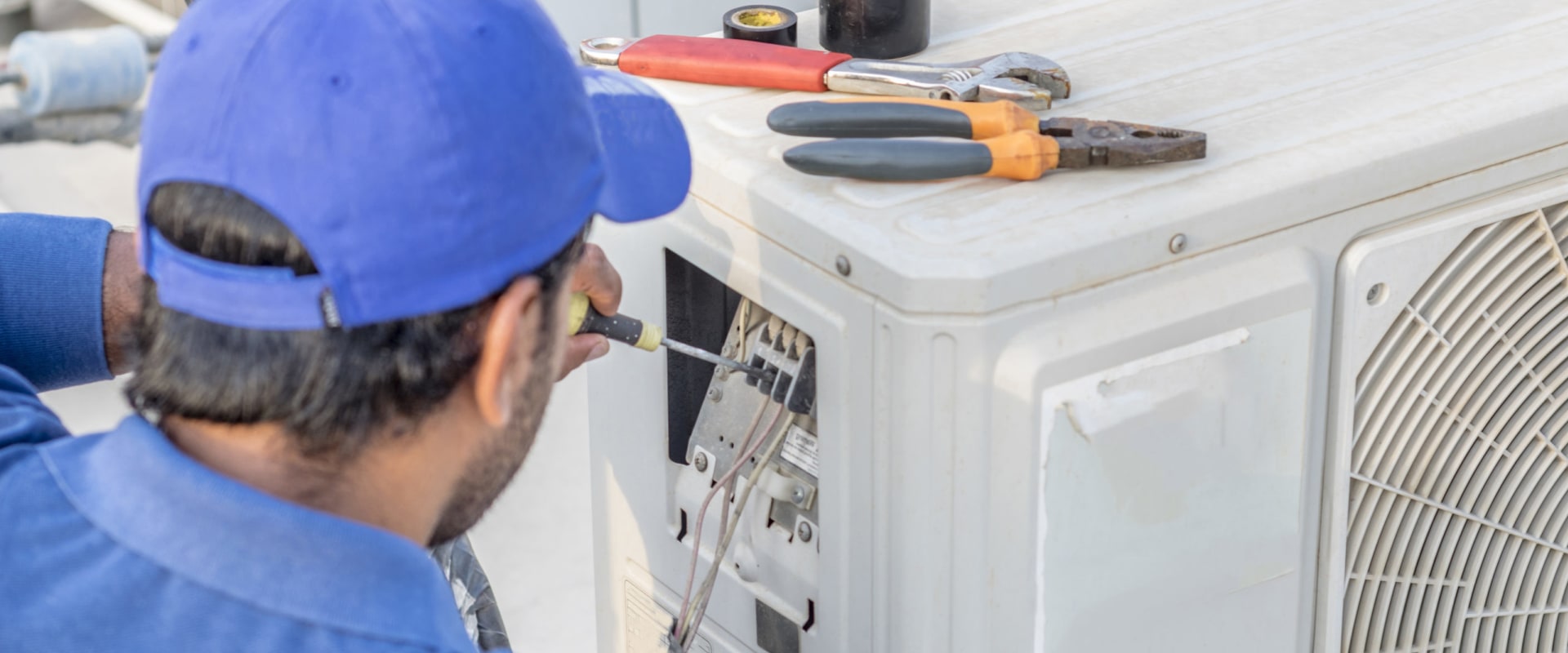
- Inspecting Electrical Components: The technician will examine all electrical connections, including wiring and terminals, to ensure they are secure and free from corrosion.
This step is vital for preventing electrical failures.
- Testing Thermostat Functionality: The thermostat controls your AC's operation. The technician will test its accuracy and functionality, making adjustments if necessary to ensure it communicates effectively with your system.
- Drain Line Cleaning: A clogged condensate drain line can cause water damage and mold growth. The technician will clear any blockages in the drain line to prevent these issues from arising.
- System Performance Testing: Finally, the technician will run the system to check its overall performance. This includes measuring airflow and temperature differentials to confirm that everything is functioning as it should.
Regular maintenance not only enhances performance but also extends the lifespan of your unit, ultimately saving you money on repairs and energy costs in the long run.
DIY Maintenance Tips for Homeowners
Maintaining your air conditioning unit between professional services is essential for ensuring its longevity and efficiency. Here are some practical DIY maintenance tips that homeowners can easily implement to keep their AC systems running smoothly.- Regularly Check and Replace Filters: One of the simplest yet most effective tasks is to check your air filters every month. If they appear dirty or clogged, replace them immediately. A clean filter can improve airflow and efficiency, reducing energy costs by up to 15%.
- Clean the Coils: The evaporator and condenser coils can accumulate dirt over time, which impairs their ability to absorb heat.
Use a soft brush or a vacuum with a brush attachment to gently clean the coils. This should be done at least once a year, preferably before the cooling season begins.
- Inspect the Drain Line: A clogged condensate drain line can lead to water damage and increased humidity levels in your home. To prevent this, check the drain line regularly and clear any blockages using a wet/dry vacuum or a plumber's snake.
- Clear Debris Around the Outdoor Unit: Ensure that the area around your outdoor AC unit is free from leaves, dirt, and other debris. This allows for proper airflow and prevents overheating.
Trim any nearby shrubs or plants to maintain at least two feet of clearance around the unit.
- Check Thermostat Settings: Make sure your thermostat is functioning correctly. Consider upgrading to a programmable thermostat that can adjust temperatures based on your schedule, enhancing both comfort and energy savings.
- Inspect Ductwork: Look for any visible signs of wear or damage in your ductwork. Sealing leaks with duct tape or mastic sealant can improve efficiency by ensuring that cool air reaches its intended destination without loss.
The Role of Filters in AC Maintenance
Filters are a vital component of your air conditioning system, playing a crucial role in both maintaining indoor air quality and ensuring the efficiency of the unit.A clean filter not only helps to trap dust, pollen, and other airborne particles but also allows for optimal airflow, which is essential for the system's performance.
Importance of AC Filters
The primary function of an AC filter is to capture contaminants that can affect the air quality in your home. When filters are clogged with dirt and debris, they can no longer perform this function effectively. This can lead to a range of issues, including:
- Reduced Airflow: A dirty filter restricts airflow, making your air conditioning system work harder to cool your home. This not only increases energy consumption but can also lead to overheating and potential system failure.
- Decreased Efficiency: When airflow is impeded, the system's efficiency drops significantly.
This means higher energy bills and a less comfortable living environment.
- Poor Indoor Air Quality: Accumulated dust and allergens can circulate throughout your home, leading to respiratory issues and allergies.
How Often to Change AC Filters
The frequency with which you should change your AC filter depends on several factors, including the type of filter, usage patterns, and the presence of pets or allergies in your household. As a general guideline:
- If you have a standard fiberglass filter, it should be replaced every 30 days.
- For pleated filters, changing them every 90 days is typically sufficient.
- If you have pets or suffer from allergies, consider changing your filter every month to maintain optimal air quality.
Types of AC Filters
There are several types of AC filters available, each with its own advantages:
- Fiberglass Filters: These are the most basic type and are typically inexpensive. They capture larger particles but may not be effective against smaller allergens.
- Pleated Filters: Made from polyester or cotton, these filters have a larger surface area and can trap smaller particles more effectively than fiberglass filters.
- HEPA Filters: High-Efficiency Particulate Air (HEPA) filters are designed to capture 99.97% of particles that are 0.3 microns or larger. They are ideal for those with allergies or respiratory issues.
- Electrostatic Filters: These filters use static electricity to attract and trap particles.
They are reusable and can be washed, making them an eco-friendly option.
Common Myths About AC Maintenance Debunked
When it comes to AC maintenance, many homeowners hold onto misconceptions that can hinder their understanding of the importance of regular servicing. Let’s take a closer look at some of the most common myths surrounding air conditioning care and debunk them to clarify the truths about AC servicing.Myth 1: AC Maintenance is Only Necessary When the Unit Breaks Down
One prevalent myth is that air conditioning maintenance is only required when the system shows signs of failure. In reality, waiting for a breakdown can lead to more significant issues and costly repairs.
Regular maintenance helps identify potential problems before they escalate, ensuring your system runs efficiently and prolonging its lifespan.
Myth 2: DIY Maintenance is Just as Effective as Professional Service
While some homeowners may attempt to perform maintenance tasks themselves, such as changing filters or cleaning coils, this does not replace the need for professional service. HVAC technicians have specialized training and tools to conduct thorough inspections and repairs that an average homeowner may overlook. Their expertise ensures that all components are functioning correctly and safely.
Myth 3: Annual Service is Too Expensive
Many people believe that the cost of annual maintenance outweighs its benefits. However, neglecting regular service can lead to more severe issues that require expensive repairs or even complete system replacement.
Investing in annual maintenance can save you money in the long run by improving efficiency and preventing costly breakdowns.
Myth 4: Newer Units Don’t Need Maintenance
Another common misconception is that newer air conditioning units do not require regular maintenance. This is false; even modern systems benefit from routine checks. Manufacturers often require proof of regular maintenance to uphold warranties, making it essential for homeowners to schedule annual services regardless of their unit's age.
Myth 5: All AC Maintenance Tasks Can Be Done in One Visit
Some homeowners think that all necessary maintenance can be completed in a single service visit. However, effective AC maintenance often requires multiple visits throughout the year, especially if you want to ensure optimal performance during peak seasons.
Regular check-ups allow technicians to monitor system health and address any emerging issues promptly.By debunking these myths, homeowners can better appreciate the significance of AC maintenance. Understanding the realities of air conditioning care encourages proactive measures that enhance system efficiency and reliability.
Choosing the Right HVAC Professional for Your AC Maintenance
When it comes to maintaining your air conditioning system, selecting the right HVAC professional is crucial for ensuring optimal performance and longevity. With so many options available, it can be challenging to find a reliable AC service provider. Here are some essential tips to help you make an informed decision.1.Check Credentials and Experience
- Ensure that the contractor is licensed and insured.
This protects you from liability in case of accidents during maintenance.
- Look for certifications from recognized organizations, such as the North American Technician Excellence (NATE) or the Air Conditioning Contractors of America (ACCA).
- Consider their experience in the industry. A contractor with several years of experience is likely to have encountered a variety of issues and can provide better solutions.
2.Read Reviews and Get Recommendations
- Check online reviews on platforms like Google, Yelp, or Angie's List to gauge customer satisfaction.
- Ask friends, family, or neighbors for recommendations based on their experiences with local HVAC professionals.
3.Ask the Right Questions
Before hiring an HVAC technician, it's essential to ask specific questions to ensure they meet your needs:
- What services do you offer? Make sure they provide comprehensive maintenance services tailored to your air conditioning system.
- Can you provide references? A reputable contractor should be willing to share contact information for previous clients who can vouch for their work.
- What is your maintenance plan? Inquire about their approach to regular maintenance and whether they offer service contracts that include annual check-ups.
- How do you handle emergencies? Understanding their response time and availability during off-hours can be crucial in case of unexpected breakdowns.
4.Get Multiple Estimates
Don’t settle for the first estimate you receive. Contact several contractors to compare prices and services offered. This will give you a better understanding of the market rate and help you identify any red flags.
5.Trust Your Instincts
Your comfort level with a contractor is essential.
If something feels off during your interactions—whether it’s their communication style or professionalism—don’t hesitate to look elsewhere. A trustworthy HVAC professional will prioritize your needs and provide clear, honest answers.By following these guidelines, you can confidently choose a qualified HVAC professional for your AC maintenance, ensuring that your air conditioning system operates efficiently and effectively for years to come.
Conclusion: Prioritizing Your Air Conditioner's Health for Optimal Performance
In conclusion, prioritizing your air conditioner's health through regular AC maintenance is essential for ensuring optimal performance and longevity. Throughout this article, we have explored various aspects of air conditioning upkeep, emphasizing that a well-maintained system not only operates more efficiently but also saves you money in the long run.One of the most critical takeaways is the necessity of annual servicing. Scheduling a professional inspection at least once a year allows HVAC technicians to identify potential issues before they escalate into costly repairs.This proactive approach can significantly enhance your air conditioner's efficiency, ensuring it runs smoothly during peak usage times.Moreover, we discussed the importance of regularly changing or cleaning filters. Clogged filters can severely restrict airflow, leading to increased energy consumption and reduced cooling capacity. By replacing filters every one to two months during the cooling season, you can improve your system's efficiency by as much as 15%. This simple task is a cornerstone of effective AC maintenance.Additionally, maintaining the condensate drain is crucial.
A clogged drain can lead to water damage and mold growth, which not only affects your air quality but can also result in expensive repairs. Regular checks and cleanings can prevent these issues from arising.Finally, remember that while DIY maintenance tasks are beneficial, they should complement professional services rather than replace them. An experienced technician can perform comprehensive checks and repairs that are beyond the scope of typical homeowner maintenance.In summary, investing time and resources into your air conditioner's maintenance will yield significant benefits in terms of efficiency, comfort, and cost savings. By making AC maintenance a priority, you ensure that your system remains reliable and effective for years to come.