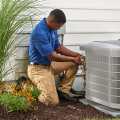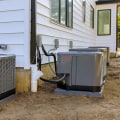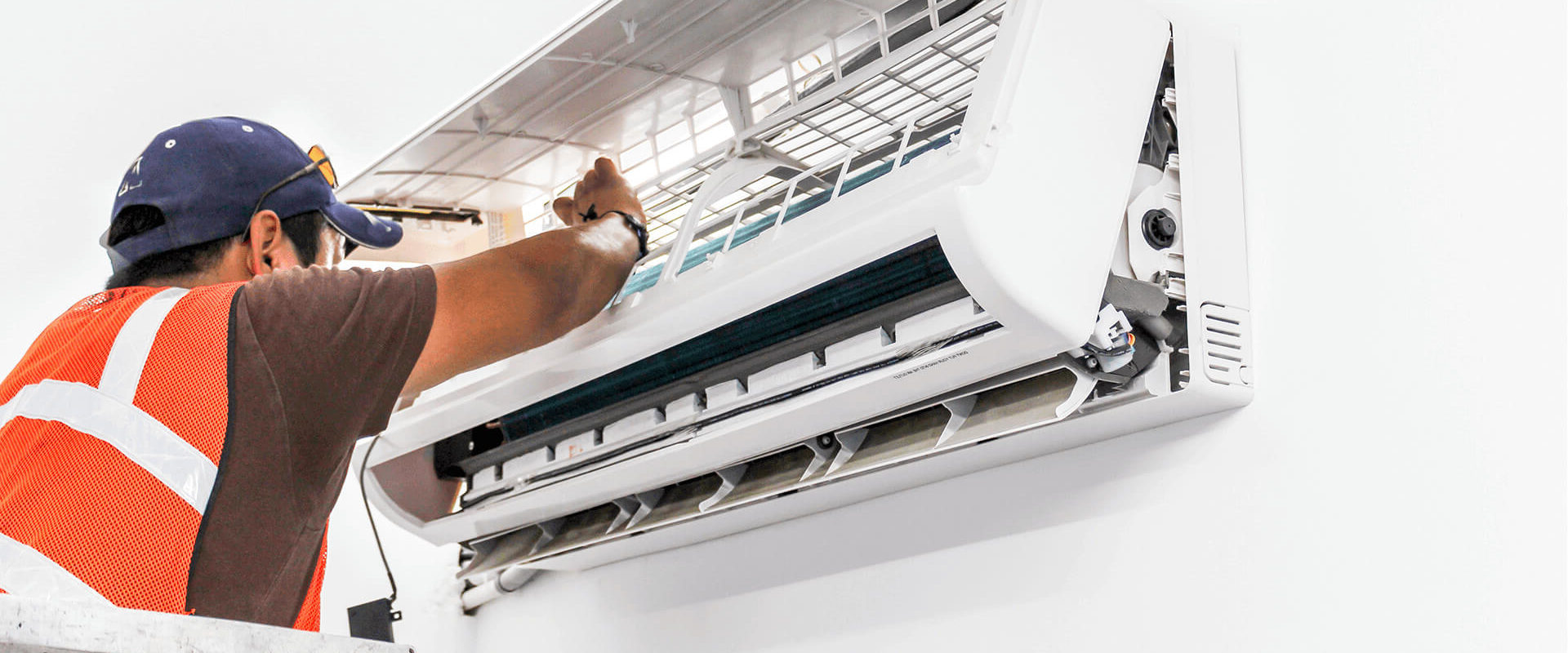
Understanding AC maintenance is essential for every homeowner who relies on air conditioning for comfort, especially during the sweltering summer months. At its core, AC maintenance refers to the routine procedures and inspections performed on your air conditioning system to ensure it operates efficiently and effectively. This proactive approach not only enhances the performance of your unit but also plays a pivotal role in extending its lifespan. By investing time and resources into regular maintenance, you can avoid unexpected breakdowns and costly repairs that often arise from neglect.The significance of AC maintenance cannot be overstated.
Just as regular check-ups are vital for our health, consistent maintenance is crucial for the health of your air conditioning system. During these maintenance sessions, trained technicians conduct comprehensive inspections that cover various components of the unit, including filters, coils, and electrical connections. This thorough examination allows for the early detection of potential issues, which can be addressed before they escalate into major problems. Furthermore, a well-maintained AC unit operates more efficiently, leading to lower energy consumption and reduced utility bills.In addition to improving efficiency and preventing breakdowns, regular AC maintenance significantly contributes to better indoor air quality.
Over time, dust, allergens, and pollutants can accumulate within your system, adversely affecting the air you breathe. During maintenance visits, technicians clean or replace filters and ensure that the entire system is free from contaminants. This is particularly beneficial for individuals with allergies or respiratory conditions, as it creates a healthier living environment.In summary, understanding AC maintenance is not just about keeping your air conditioning unit running; it’s about ensuring comfort, efficiency, and health within your home. As we delve deeper into this topic, we will explore the specific practices involved in AC maintenance and the myriad benefits they offer to homeowners.
Why Regular AC Maintenance is Crucial
Regular AC maintenance is not just a routine task; it is a vital practice that can significantly enhance the performance and longevity of your air conditioning system.Understanding the importance of this maintenance can help homeowners make informed decisions about their HVAC systems.One of the primary benefits of regular AC maintenance is improved efficiency. When an air conditioning unit is well-maintained, it operates more smoothly, requiring less energy to cool your home. This efficiency translates into lower energy bills, which can be a substantial saving over time. A well-functioning AC unit can reduce energy consumption by up to 15%, making regular maintenance a financially sound investment.In addition to cost savings, regular maintenance plays a crucial role in identifying potential issues before they escalate into major problems.
During routine inspections, HVAC technicians can detect early signs of wear and tear, such as refrigerant leaks or electrical malfunctions. Addressing these issues promptly not only prevents costly repairs but also ensures that your system continues to operate at peak performance.Another significant advantage of regular AC maintenance is the improvement in indoor air quality. Over time, dust, allergens, and pollutants can accumulate in your air conditioning system, leading to poor air quality in your home. During maintenance visits, technicians clean or replace air filters and inspect ductwork for any blockages or contamination.
This process helps to ensure that the air circulating in your home is clean and healthy, which is especially important for individuals with allergies or respiratory conditions.Furthermore, regular maintenance can extend the lifespan of your air conditioning unit. Most systems are designed to last between 12 to 15 years, but neglecting maintenance can significantly shorten this lifespan. By investing in routine check-ups and servicing, you can help ensure that your AC unit remains functional for as long as possible, delaying the need for a costly replacement.In summary, prioritizing regular AC maintenance offers numerous benefits including enhanced efficiency, cost savings on energy bills, improved indoor air quality, and prolonged equipment lifespan. Homeowners who recognize these advantages are more likely to enjoy a comfortable living environment while minimizing unexpected repair costs.
The Long-Term Benefits of Routine AC Maintenance
When it comes to air conditioning systems, the importance of routine AC maintenance cannot be overstated.Regular maintenance not only ensures optimal performance but also significantly contributes to the longevity of your unit. By investing in routine check-ups, homeowners can enjoy a range of long-term benefits that extend far beyond immediate comfort.One of the most significant advantages of regular AC maintenance is its ability to prolong the lifespan of your air conditioning unit. Typically, a well-maintained air conditioner can last anywhere from 12 to 15 years, or even longer with diligent care. In contrast, neglecting maintenance can lead to premature wear and tear, resulting in a shorter lifespan and the need for costly replacements.During routine maintenance, HVAC technicians perform essential tasks that help keep your system running smoothly.
These tasks include:
- Thorough Inspections: Technicians examine all components of the AC unit, identifying any signs of wear or potential issues before they escalate.
- Cleaning Components: Dust and debris can accumulate in various parts of the system, hindering performance. Regular cleaning helps maintain efficiency.
- Replacing Filters: Dirty filters can restrict airflow and reduce efficiency. Regularly replacing them ensures optimal air quality and system performance.
- Checking Refrigerant Levels: Proper refrigerant levels are crucial for efficient cooling. Technicians will check and adjust levels as necessary.
- Lubricating Moving Parts: Keeping moving parts well-lubricated reduces friction and wear, contributing to a longer lifespan.
By identifying minor issues early on, homeowners can avoid more significant problems that require expensive fixes. For instance, a small refrigerant leak detected during a maintenance check can be repaired easily, whereas ignoring it could lead to compressor failure—a much more costly repair.Moreover, regular maintenance enhances energy efficiency. An efficiently running air conditioner consumes less energy, which translates into lower utility bills over time. This not only saves money but also reduces the environmental impact associated with energy consumption.In summary, the long-term benefits of routine AC maintenance are clear: it extends the lifespan of your unit, prevents costly repairs, and improves energy efficiency.
By prioritizing regular maintenance, homeowners can ensure their air conditioning systems remain reliable and effective for many years to come.
What to Expect During an AC Maintenance Appointment
When you schedule an AC maintenance appointment, it’s essential to know what to expect. Understanding the AC maintenance process can help you feel more comfortable and informed about the care your air conditioning unit will receive. Here’s a detailed overview of the typical procedures and inspections performed during an AC maintenance appointment.Comprehensive System Inspection
The first step in the AC maintenance checklist is a thorough inspection of all components of your air conditioning system. This includes:- Compressor: The technician will check the compressor for any signs of wear or damage, ensuring it operates efficiently.
- Evaporator and Condenser Coils: These coils will be inspected for dirt buildup, which can hinder performance.
Cleaning them is crucial for optimal heat exchange.
- Ductwork: The technician will examine the ductwork for leaks or blockages that could affect airflow and efficiency.
Filter Maintenance
One of the most critical aspects of AC maintenance is the care of air filters. During the appointment, the technician will:- Clean or Replace Filters: Depending on their condition, filters may be cleaned or replaced to ensure proper airflow and improved indoor air quality.
- Check Filter Size: The technician will verify that the correct size filter is being used, as an improper fit can lead to inefficiencies.
Lubrication and Electrical Checks
The next phase involves lubricating moving parts to minimize friction and wear. This step is vital for maintaining efficiency and prolonging the lifespan of your unit. Additionally, the technician will:- Inspect Electrical Connections: All electrical connections will be checked for security and signs of corrosion, which can lead to malfunctions.
- Test Thermostat Functionality: The thermostat will be calibrated to ensure accurate temperature readings and efficient operation.
Leak Detection and Refrigerant Levels
A critical part of the AC maintenance process is checking for refrigerant leaks.The technician will:
- Inspect Refrigerant Lines: They will look for any signs of leaks or damage in the refrigerant lines that could affect cooling performance.
- Measure Refrigerant Levels: Proper refrigerant levels are essential for efficient cooling; if levels are low, they may need to be replenished.
Common Issues Identified During AC Maintenance
During regular AC maintenance, technicians often uncover a variety of common issues that, if left unaddressed, can lead to more significant problems down the line. Identifying these issues early not only enhances the efficiency of your air conditioning unit but also saves you money on potential repairs. Here are some frequent problems that may be discovered during maintenance checks:- Dirty or Clogged Filters: One of the most common issues is dirty air filters.
When filters are clogged with dust and debris, airflow is restricted, causing the system to work harder and consume more energy. Regular maintenance includes cleaning or replacing these filters to ensure optimal airflow.
- Refrigerant Leaks: Low refrigerant levels can indicate a leak in the system. This not only affects cooling efficiency but can also lead to compressor damage if not addressed promptly. Technicians will check refrigerant levels and inspect for leaks during maintenance.
- Electrical Connection Issues: Loose or corroded electrical connections can pose safety hazards and lead to system failures.
During maintenance, technicians will inspect all electrical components to ensure they are secure and functioning properly.
- Drainage Problems: A blocked condensate drain can cause water to back up, leading to water damage and mold growth. Maintenance checks include clearing any obstructions in the drainage system to prevent these issues.
- Worn Out Components: Over time, parts such as belts and bearings can wear out, leading to decreased efficiency and potential breakdowns. Regular inspections allow technicians to identify worn components and recommend replacements before they fail.
Scheduling annual maintenance appointments with a qualified HVAC technician is a wise investment in the longevity and efficiency of your air conditioning system.
DIY vs. Professional AC Maintenance: What You Need to Know
When it comes to maintaining your air conditioning system, homeowners often find themselves at a crossroads: should they tackle the maintenance tasks themselves or hire a professional? Understanding the differences between DIY AC maintenance and professional services is essential for ensuring your unit operates efficiently and lasts longer.DIY AC Maintenance Tips
For those who are handy and comfortable with basic home repairs, there are several DIY maintenance tasks that can be performed to keep your AC running smoothly:- Change or Clean Air Filters: One of the simplest yet most effective tasks is to regularly check and replace or clean your air filters. Clogged filters can restrict airflow, making your system work harder.
- Clear Debris Around the Outdoor Unit: Ensure that the area around your outdoor condenser unit is free from leaves, dirt, and other debris. This allows for proper airflow and cooling efficiency.
- Inspect Ductwork: Look for any visible signs of wear or damage in your ductwork.
Sealing leaks can improve efficiency and air quality.
- Check Thermostat Settings: Make sure your thermostat is functioning correctly and set to an appropriate temperature. Consider upgrading to a programmable thermostat for better energy management.
When to Call an HVAC Technician
While DIY maintenance can help keep your AC in good shape, there are certain situations where it’s best to call in a professional:- Unusual Noises: If you hear strange sounds coming from your unit, such as grinding or squealing, it may indicate a serious issue that requires expert attention.
- Poor Cooling Performance: If your AC is not cooling effectively despite regular maintenance, it could be a sign of refrigerant leaks or compressor issues that need professional diagnosis.
- Frequent Cycling: If your system frequently turns on and off, it may be struggling with electrical issues or improper sizing, which should be evaluated by a technician.
- Foul Odors: Any unpleasant smells emanating from your AC could indicate mold growth or electrical problems that require immediate professional intervention.
How Often Should You Schedule AC Maintenance?
Determining how often to schedule AC maintenance is essential for ensuring the longevity and efficiency of your air conditioning system. While many homeowners may think that a single annual check-up is sufficient, the reality is that the frequency of maintenance appointments can vary based on several factors.General Recommendation
- For most households, it is advisable to schedule AC maintenance at least once a year.
This annual service typically occurs in the spring, just before the peak cooling season begins. This timing allows technicians to prepare your unit for the heavy usage it will experience during the summer months.
Factors Influencing Maintenance Frequency
- Usage Patterns: If you live in an area with extreme temperatures or use your AC frequently, consider scheduling maintenance twice a year. This additional appointment can help catch any wear and tear that may occur due to increased usage.
- Type of System: Different air conditioning systems may have varying maintenance needs. For instance, older units or those that utilize window-mounted systems might require more frequent checks compared to newer, more efficient models.
- Environmental Factors: Homes located in dusty or pollen-heavy areas may need more frequent filter changes and system checks.
If your home is surrounded by trees or vegetation, debris can accumulate in your unit, necessitating more regular maintenance.
- Allergies and Health Concerns: If anyone in your household suffers from allergies or respiratory issues, more frequent AC maintenance can help ensure better air quality. Regular filter changes and system cleanings can significantly reduce allergens circulating in your home.
Scheduling Tips
- Consider setting reminders for your maintenance appointments. Many HVAC companies offer annual service contracts that include scheduled visits, which can simplify the process.
- Keep a record of past maintenance visits and any repairs made. This history can help technicians identify recurring issues and tailor their services to your specific needs.
By considering factors such as usage patterns, environmental conditions, and health concerns, you can make informed decisions about how often to schedule these essential services.
Choosing the Right HVAC Service Provider for AC Maintenance
Choosing the right HVAC service provider for your AC maintenance is crucial to ensure that your air conditioning system operates efficiently and reliably. With numerous options available, it can be overwhelming to find a trustworthy company. Here are some essential tips to help you make an informed decision.1.Research and Gather Recommendations
Start by asking friends, family, or neighbors for recommendations. Personal experiences can provide valuable insights into the quality of service offered by local HVAC companies.Additionally, consider checking online reviews on platforms like Google, Yelp, or Angie's List to gauge customer satisfaction.
2.Verify Credentials and Experience
Ensure that the HVAC service provider is licensed and insured. A valid license indicates that the company meets state regulations and has the necessary training. Insurance protects you from liability in case of accidents during maintenance. Furthermore, look for companies with extensive experience in AC maintenance, as seasoned professionals are more likely to identify and resolve issues effectively.3.Evaluate Service Offerings
Not all HVAC companies offer the same range of services.When selecting a provider, check if they specialize in AC maintenance and whether they provide comprehensive services such as:
- Routine inspections
- Filter replacements
- System cleaning
- Emergency repairs
4.Request Estimates and Compare Pricing
Before making a decision, request estimates from multiple HVAC providers. This will give you a clearer picture of the market rates for AC maintenance. Be cautious of prices that seem too low; they may indicate subpar service or hidden fees. Look for transparency in pricing and ensure that all potential costs are outlined in the estimate.5.Inquire About Maintenance Plans
Many HVAC companies offer maintenance plans that provide regular check-ups at a discounted rate.These plans can save you money over time while ensuring your system remains in optimal condition. Ask about the details of these plans, including what services are included and how often maintenance visits occur.
6.Assess Customer Service
The quality of customer service can significantly impact your experience with an HVAC provider. Pay attention to how promptly they respond to inquiries and whether they are willing to answer your questions thoroughly. A company that values customer satisfaction is more likely to provide reliable service.By following these guidelines, you can find a reliable HVAC service provider for your AC maintenance.Investing time in selecting the right company will pay off in the form of improved efficiency, lower energy bills, and a longer lifespan for your air conditioning system.
Frequently Asked Questions About AC Maintenance
Homeowners often have numerous questions regarding AC maintenance and servicing. Understanding these aspects can help ensure that your air conditioning system operates efficiently and lasts longer. Here are some of the most frequently asked questions:What is included in a typical AC maintenance service?
A standard AC maintenance service typically includes:- Inspection of all major components, including the compressor, evaporator coil, and condenser.
- Cleaning or replacing air filters to enhance air quality and efficiency.
- Checking refrigerant levels and inspecting for leaks.
- Lubricating moving parts to minimize wear and tear.
- Testing the thermostat for accurate temperature control.
- Ensuring that all electrical connections are secure and functioning properly.
How often should I schedule AC maintenance?
It is generally recommended to schedule AC maintenance at least once a year, ideally before the cooling season begins. This proactive approach helps identify potential issues early on, ensuring your system runs smoothly when you need it most.Can I perform AC maintenance myself?
While some basic tasks, such as changing air filters, can be done by homeowners, it is advisable to hire a professional for comprehensive maintenance.HVAC technicians have the expertise and tools necessary to perform thorough inspections and address any underlying issues that may not be visible to the untrained eye.
What are the signs that my AC needs servicing?
If you notice any of the following signs, it may be time to call a professional for servicing:- The unit is not cooling effectively.
- You hear unusual noises coming from the system.
- There are strange odors when the AC is running.
- Your energy bills have increased significantly without explanation.
How does regular maintenance affect energy efficiency?
Regular AC maintenance significantly improves energy efficiency. A well-maintained system operates more effectively, consuming less energy to cool your home. This not only reduces your carbon footprint but also leads to lower utility bills over time.By addressing these common questions about AC maintenance, homeowners can make informed decisions that enhance their comfort and prolong the life of their air conditioning systems.Conclusion: The Value of Regular AC Maintenance for Homeowners
In summary, the significance of regular AC maintenance cannot be overstated for homeowners seeking to optimize their air conditioning systems. By committing to routine maintenance, you not only enhance the efficiency of your unit but also prolong its lifespan, ensuring that it serves your household effectively for many years.Throughout this article, we have explored several key benefits associated with regular AC maintenance:- Improved Efficiency: A well-maintained air conditioning system operates more efficiently, which translates to lower energy consumption and reduced utility bills.
When all components are clean and functioning optimally, your AC does not have to work as hard to cool your home.
- Early Problem Detection: Regular inspections allow HVAC professionals to identify potential issues before they escalate into costly repairs. This proactive approach not only saves money but also ensures uninterrupted comfort in your living space.
- Enhanced Air Quality: Routine maintenance includes cleaning or replacing air filters, which is crucial for maintaining good indoor air quality. This is particularly beneficial for individuals with allergies or respiratory conditions, as it helps eliminate dust, allergens, and other pollutants.
- Extended Lifespan: Just like any other appliance, your air conditioner benefits from regular care. By addressing minor issues promptly and keeping the system clean, you can significantly extend its operational life.
Scheduling annual maintenance appointments with a trusted HVAC service provider will ensure that your air conditioning system remains in peak condition. This investment not only enhances comfort but also contributes to the overall value of your home.In conclusion, regular AC maintenance is a vital practice that pays dividends in efficiency, cost savings, and improved air quality. By taking the necessary steps to maintain your air conditioning system, you are making a wise decision for both your comfort and your financial well-being.