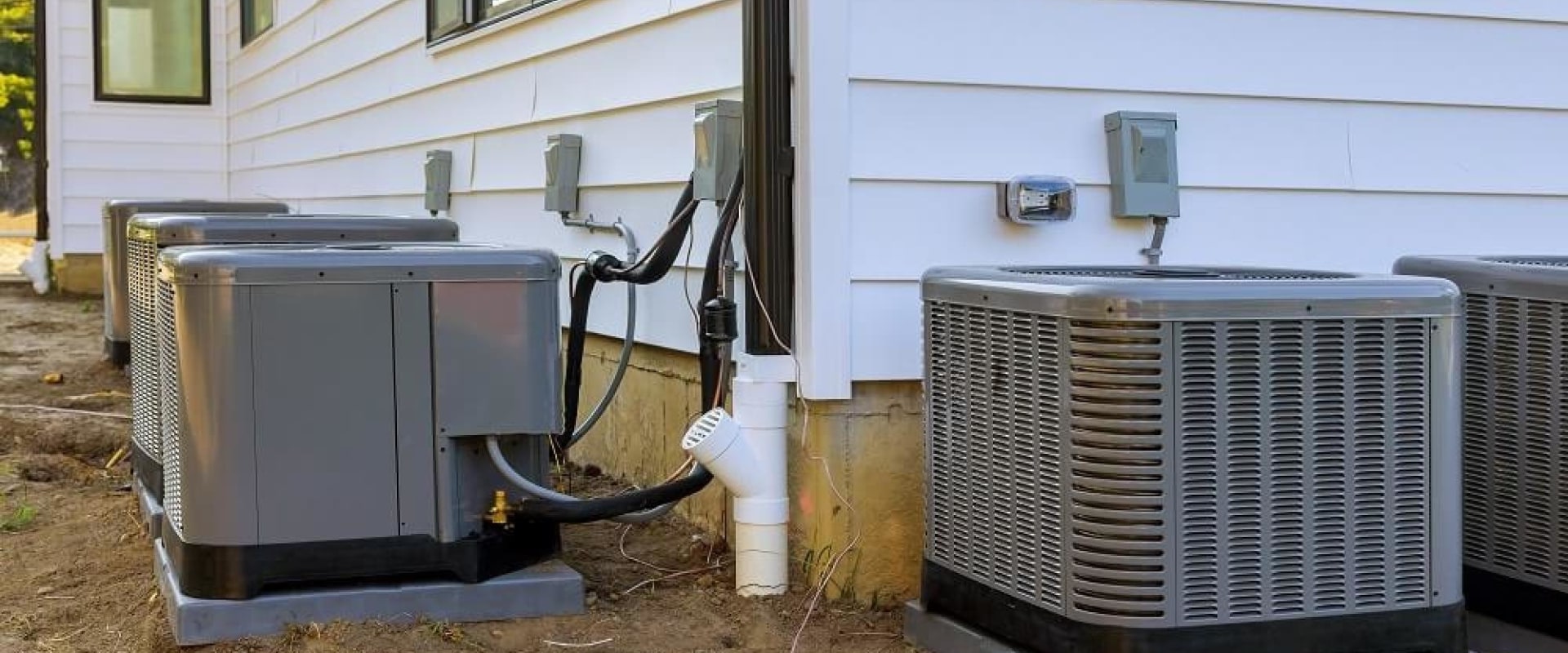
Heating, ventilation, and air conditioning (HVAC) systems are essential components of modern indoor environments, providing comfort and maintaining air quality in homes and commercial spaces. Understanding what HVAC entails is crucial for homeowners and business operators alike, as it encompasses a range of technologies designed to regulate temperature, humidity, and air circulation. An HVAC system typically consists of several key components: the furnace or heat pump for heating, the air conditioner for cooling, ductwork for air distribution, and ventilation systems that ensure fresh air circulation.At its core, an HVAC system operates by transferring heat from one area to another. In the winter months, the furnace generates heat that is distributed throughout the building via ducts.
Conversely, during the summer, the air conditioning unit removes heat from indoor air and expels it outside, creating a cooler environment. This process not only enhances comfort but also plays a vital role in maintaining indoor air quality by filtering out pollutants and allergens.Each component of an HVAC system works in harmony to achieve optimal performance. For instance, the thermostat acts as the control center, allowing users to set desired temperatures while monitoring system performance. Regular maintenance of these components is essential to ensure they function efficiently and effectively.
Neglecting routine checks can lead to decreased efficiency, higher energy bills, and even premature system failure. By understanding how HVAC systems work and their individual components, homeowners can better appreciate the significance of AC maintenance in prolonging the lifespan of their systems and ensuring a comfortable living environment.
The Importance of Regular AC Maintenance
Regular AC maintenance is not just a recommendation; it is a necessity for homeowners who want to ensure their air conditioning systems operate efficiently and effectively. The importance of maintaining your air conditioning unit cannot be overstated, as it directly impacts the system's performance, longevity, and overall cost-effectiveness.One of the primary benefits of regular maintenance is enhanced efficiency. An air conditioning system that is well-maintained operates more smoothly, consuming less energy to cool your home.This efficiency translates into lower energy bills, which can be a significant saving over time. When components such as filters and coils are clean and functioning properly, the system does not have to work as hard to achieve the desired temperature, leading to reduced wear and tear.In addition to efficiency, regular maintenance plays a crucial role in extending the lifespan of your AC unit. Just like any other mechanical system, air conditioners experience wear and tear over time. However, with routine inspections and servicing, potential issues can be identified and addressed before they escalate into major problems.
This proactive approach not only prolongs the life of your system but also helps you avoid the inconvenience and expense of unexpected breakdowns.Moreover, regular maintenance can lead to significant cost savings in the long run. While there may be an upfront cost associated with annual servicing, this investment pays off by preventing costly repairs or even complete system replacements down the line. For instance, a small issue like a refrigerant leak can lead to more severe damage if left unchecked, resulting in expensive repairs that could have been avoided with timely maintenance.Another critical aspect of AC maintenance is improved indoor air quality. During routine checks, technicians clean or replace air filters and inspect ductwork for any blockages or leaks.
This ensures that the air circulating in your home is clean and free from allergens or pollutants, contributing to a healthier living environment for you and your family.In summary, the importance of regular AC maintenance cannot be overlooked. From enhancing efficiency and extending lifespan to providing cost savings and improving indoor air quality, the benefits are clear. By committing to a regular maintenance schedule, homeowners can enjoy peace of mind knowing their cooling systems are operating at peak performance.
Signs Your AC Needs Maintenance
Recognizing the signs that your air conditioning unit needs maintenance is crucial for ensuring its longevity and efficiency. Ignoring these indicators can lead to more severe problems, increased energy costs, and even complete system failure.Here are some common signs that suggest it’s time for AC maintenance.
- Inconsistent Cooling: If you notice that some rooms in your home are cooler than others, or if your AC struggles to maintain a consistent temperature, it may indicate an issue with the system. This inconsistency can stem from various problems, including blocked ducts or a failing compressor.
- Unusual Noises: Pay attention to any strange sounds coming from your air conditioning unit. Grinding, squealing, or rattling noises can signal mechanical issues that require immediate attention. These sounds often indicate that components are wearing out or that there is debris obstructing the system.
- Increased Energy Bills: A sudden spike in your energy bills without a corresponding increase in usage can be a red flag.
An inefficient AC unit often works harder to cool your home, leading to higher energy consumption. Regular maintenance can help keep your system running efficiently and reduce energy costs.
- Bad Odors: If you detect musty or burning smells when your AC is running, it’s essential to address this immediately. Musty odors may indicate mold growth within the system, while burning smells could suggest electrical issues or overheating components.
- Excessive Humidity: Your air conditioning system should help regulate humidity levels in your home. If you find that your indoor space feels sticky or humid despite the AC running, it may not be functioning correctly and could require maintenance.
- Water Leaks: Any signs of water pooling around your AC unit or inside your home can indicate a clogged drain line or a refrigerant leak.
Both issues need prompt attention to prevent water damage and further complications.
DIY Maintenance Tips for Homeowners
Maintaining your air conditioning system doesn’t have to be a daunting task. With a few simple DIY maintenance tips, homeowners can ensure their AC units operate efficiently and effectively throughout the year. Here are some essential steps you can take to care for your home AC:- Regularly Change or Clean Air Filters: One of the simplest yet most effective ways to maintain your AC is by changing or cleaning the air filters every 1-3 months.
Clogged filters restrict airflow, making your system work harder and potentially leading to costly repairs. If you have pets or live in a dusty area, consider changing filters more frequently.
- Keep the Outdoor Unit Clear: Ensure that the outdoor condenser unit is free from debris such as leaves, dirt, and grass clippings. A clear space of at least two feet around the unit allows for proper airflow and prevents overheating. Regularly check for any obstructions and remove them promptly.
- Inspect Ductwork for Leaks: Leaky ducts can significantly reduce your system's efficiency.
Inspect visible ductwork for any signs of wear or damage. If you notice any gaps or holes, seal them with duct tape or mastic sealant to improve airflow and energy efficiency.
- Clean the Condenser Coils: Over time, the coils on your outdoor unit can accumulate dirt and grime, which can hinder heat exchange. Use a soft brush or a vacuum with a brush attachment to gently clean the coils. For a deeper clean, consider using a garden hose to rinse off any stubborn debris.
- Check the Thermostat Settings: Ensure that your thermostat is functioning correctly and set to an appropriate temperature.
Consider upgrading to a programmable thermostat that can adjust temperatures based on your schedule, helping you save on energy costs.
- Inspect Drain Lines: Clogged drain lines can lead to water damage and increased humidity levels in your home. Check the condensate drain line for blockages and clear them if necessary. You can also pour a mixture of vinegar and water down the drain line monthly to help prevent clogs.
Professional HVAC Services: What to Expect
When you schedule a professional HVAC service, you are investing in the longevity and efficiency of your heating and cooling systems.Understanding what to expect during a maintenance visit can help you appreciate the value of professional expertise and ensure that your HVAC system operates at peak performance.
Initial Assessment
Upon arrival, the HVAC technician will conduct an initial assessment of your system. This includes checking the overall condition of your heating and cooling units, inspecting the thermostat settings, and evaluating the airflow throughout your home. This step is crucial as it allows the technician to identify any immediate issues that may need attention.
Comprehensive Cleaning
One of the primary components of AC maintenance is thorough cleaning. The technician will clean or replace air filters, which is essential for maintaining good air quality and system efficiency.
They will also clean the evaporator and condenser coils, ensuring that dirt and debris do not hinder performance. A clean system not only runs more efficiently but also extends its lifespan.
System Checks
- Electrical Components: The technician will inspect all electrical connections, tighten loose wires, and check for any signs of wear or damage.
- Refrigerant Levels: Proper refrigerant levels are vital for efficient cooling. The technician will check for leaks and ensure that levels are within manufacturer specifications.
- Thermostat Calibration: Ensuring that your thermostat is accurately calibrated can significantly affect your energy bills. The technician will adjust it if necessary.
Performance Testing
After completing the cleaning and checks, the technician will run performance tests on your HVAC system.
This includes checking the temperature differential between supply and return air, ensuring that your system is cooling or heating effectively. They may also listen for unusual noises that could indicate underlying issues.
Recommendations and Reporting
At the end of the service visit, the technician will provide you with a detailed report of their findings. This report often includes recommendations for any repairs or adjustments needed to optimize your system's performance. They may also suggest a maintenance schedule tailored to your specific needs, helping you stay proactive in keeping your HVAC system in top shape.In summary, hiring professional HVAC services ensures that your systems receive expert care, which can lead to improved efficiency, lower energy costs, and a longer lifespan for your equipment.
Regular maintenance visits not only enhance comfort but also provide peace of mind knowing that your home environment is safe and healthy.
Cost of Regular AC Maintenance: Is It Worth It?
When considering the cost of AC maintenance, many homeowners may initially hesitate, viewing it as an unnecessary expense. However, a deeper analysis reveals that regular maintenance is not just a cost but an investment that can yield significant returns in the form of savings and peace of mind.On average, the cost of a professional AC maintenance service can range from $75 to $200 per visit, depending on various factors such as the service provider, the complexity of the system, and your geographical location. Some HVAC companies offer annual maintenance plans that can reduce the overall cost per visit and include additional benefits like priority service and discounts on repairs.While this upfront cost may seem daunting, it is essential to consider the long-term benefits:- Preventative Savings: Regular maintenance helps identify potential issues before they escalate into costly repairs. For instance, a minor refrigerant leak can lead to a complete system failure if left unchecked, resulting in repair costs that can exceed several hundred dollars.
- Energy Efficiency: A well-maintained air conditioning unit operates more efficiently, which translates to lower energy bills.
According to the U. S. Department of Energy, proper maintenance can improve your system's efficiency by up to 15%, leading to substantial savings over time.
- Extended Lifespan: Regular servicing can extend the lifespan of your AC unit. Most systems last around 10-15 years, but with proper care, you may be able to push that lifespan closer to 20 years.
This delay in replacement costs can save you thousands in the long run.
- Improved Air Quality: Maintenance includes cleaning or replacing filters and checking for mold or dust buildup. This not only enhances your system's performance but also contributes to better indoor air quality, which is crucial for your family's health.
Seasonal Maintenance Checklist for Your AC System
To ensure your air conditioning system operates efficiently and effectively throughout the warmer months, it’s essential to follow a comprehensive seasonal maintenance checklist. This checklist will help you stay organized and proactive, allowing you to catch potential issues before they escalate into costly repairs.Below are key tasks to include in your HVAC maintenance checklist .
- Inspect and Replace Air Filters: Check your air filters monthly and replace them as needed. Clogged filters can restrict airflow, making your system work harder and increasing energy costs.
- Clean the Outdoor Unit: Remove any debris, leaves, or dirt from around the outdoor condenser unit. Ensure there’s at least two feet of clearance around the unit for optimal airflow.
- Check the Thermostat: Test your thermostat to ensure it’s functioning correctly. Consider upgrading to a programmable thermostat for better energy efficiency.
- Inspect Ductwork: Look for any visible signs of wear or damage in your ductwork.
Sealing leaks can improve efficiency and indoor air quality.
- Examine Electrical Components: Inspect all electrical connections and components for signs of wear or corrosion. Tighten any loose connections and replace damaged wires as necessary.
- Test the System: Run your air conditioning system to ensure it cools effectively. Listen for unusual noises that may indicate a problem.
- Check Refrigerant Levels: Ensure that refrigerant levels are adequate. Low refrigerant can lead to inefficient cooling and increased energy costs.
- Schedule Professional Maintenance: While many tasks can be performed by homeowners, scheduling a professional inspection at least once a year is crucial.
A qualified technician can identify issues that may not be visible during a routine check.
Frequently Asked Questions About AC Maintenance
When it comes to AC maintenance, many homeowners have questions about how to properly care for their systems and troubleshoot common issues. Below are some frequently asked questions that can help clarify the importance of regular maintenance and provide guidance on keeping your air conditioning unit in optimal condition.What is included in a typical AC maintenance service?
A standard AC maintenance service usually includes several key tasks:- Inspection of the entire system, including the compressor, evaporator coil, and condenser.
- Cleaning or replacing air filters to ensure proper airflow.
- Checking refrigerant levels and recharging if necessary.
- Inspecting electrical components and connections for safety and efficiency.
- Testing the thermostat to ensure accurate temperature control.
- Cleaning the condensate drain to prevent clogs and water damage.
How often should I schedule AC maintenance?
It is generally recommended to schedule professional AC maintenance at least once a year, ideally before the cooling season begins. This proactive approach allows technicians to identify potential issues early, ensuring your system runs efficiently when you need it most.If you live in an area with extreme temperatures or use your AC frequently, consider biannual maintenance for optimal performance.
What are some signs that my AC needs maintenance?
There are several indicators that your air conditioning unit may require attention:- Unusual noises: If you hear grinding, squealing, or banging sounds, it could indicate a mechanical issue.
- Inconsistent cooling: If some rooms are cooler than others or your system struggles to maintain the set temperature, it may need servicing.
- Increased energy bills: A sudden spike in your energy costs can signal that your AC is working harder than it should due to inefficiencies.
- Foul odors: Musty or burning smells can indicate mold growth or electrical problems within the unit.
Can I perform any maintenance myself?
Yes, there are several simple tasks you can do to help maintain your AC system:- Change air filters: Regularly replacing or cleaning filters can improve airflow and efficiency.
- Clear debris: Keep the outdoor unit free from leaves, dirt, and other obstructions that can hinder performance.
- Check thermostat settings: Ensure your thermostat is functioning correctly and set to the desired temperature.
Conclusion: The Long-Term Benefits of Regular HVAC Maintenance
In summary, the significance of regular HVAC maintenance cannot be overstated. By committing to a routine maintenance schedule, homeowners can enjoy a multitude of long-term benefits that extend beyond mere comfort. Here are some key takeaways that highlight the importance of AC maintenance:- Enhanced Efficiency: Regular maintenance ensures that your air conditioning system operates at peak efficiency.
This not only leads to lower energy bills but also reduces the environmental impact of your cooling system.
- Prolonged Lifespan: Just like any other mechanical system, your HVAC unit requires care to function optimally. Routine inspections and servicing can significantly extend the lifespan of your air conditioning unit, saving you from premature replacements.
- Improved Air Quality: A well-maintained HVAC system contributes to better indoor air quality. Regular filter changes and cleanings help eliminate dust, allergens, and pollutants, creating a healthier living environment for you and your family.
- Cost Savings: While there is an upfront cost associated with annual maintenance, it pales in comparison to the potential expenses incurred from unexpected breakdowns or major repairs. Preventative maintenance can save you money in the long run.
- Peace of Mind: Knowing that your HVAC system is regularly serviced provides peace of mind.
You can rest easy knowing that your home will remain comfortable regardless of the weather outside.
Make it a priority today for a more comfortable tomorrow.