Heating, ventilation, and air conditioning (HVAC) systems play a crucial role in ensuring indoor comfort throughout the year. These systems are designed to regulate temperature, humidity, and air quality, making them essential for both residential and commercial spaces. An HVAC system typically consists of several key components, including the furnace or heat pump for heating, the air conditioning unit for cooling, ductwork for air distribution, and thermostats for temperature control. Understanding how these components work together is vital for appreciating their importance in our daily lives.The significance of HVAC systems extends beyond mere comfort; they also contribute to energy efficiency and indoor air quality.
A well-maintained HVAC system can significantly reduce energy consumption, leading to lower utility bills and a reduced carbon footprint. Moreover, these systems help filter out pollutants and allergens from the air, promoting a healthier living environment. This is particularly important for individuals with respiratory issues or allergies, as clean air can greatly enhance their quality of life.As we delve deeper into the topic of HVAC maintenance, it becomes clear that regular servicing is not just a recommendation but a necessity. Neglecting maintenance can lead to decreased efficiency, higher energy costs, and even system failures that require costly repairs or replacements.
By understanding the components and functions of HVAC systems, homeowners can better appreciate the need for routine maintenance and the benefits it brings to their comfort and well-being.
What is AC Maintenance?
AC maintenance refers to the systematic process of inspecting, cleaning, and servicing air conditioning systems to ensure they operate at peak efficiency. Regular maintenance is essential for prolonging the lifespan of your unit and enhancing its performance. By adhering to a routine maintenance schedule, homeowners can avoid costly repairs and ensure a comfortable indoor environment.During an AC maintenance visit, several critical tasks are performed:- Cleaning or Replacing Air Filters: One of the most vital components of AC maintenance is checking the air filters. Clogged or dirty filters can restrict airflow, causing the system to work harder and consume more energy.
Regularly cleaning or replacing these filters can improve air quality and efficiency.
- Inspecting Refrigerant Levels: The refrigerant is crucial for cooling your home. During maintenance, professionals check the refrigerant levels to ensure they are within the manufacturer’s specifications. Low refrigerant levels can indicate leaks, which need immediate attention.
- Checking Electrical Components: An HVAC technician will inspect all electrical connections and components for signs of wear or damage. This includes checking the thermostat, capacitors, and contactors to ensure they are functioning correctly.
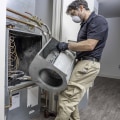
- Cleaning Coils: Both the evaporator and condenser coils should be cleaned regularly.
Dust and debris can accumulate on these coils, reducing their ability to absorb heat and leading to inefficient operation.
- Inspecting Ductwork: Leaks or blockages in ductwork can significantly impact system efficiency. During maintenance, technicians will inspect ducts for any issues that could hinder airflow.
- Testing System Controls: A thorough check of the system controls ensures that everything operates as intended. This includes testing the start cycle, operation, and shut-off sequence.
For instance, a small refrigerant leak can lead to compressor failure if not addressed promptly. Moreover, well-maintained systems tend to consume less energy, which translates into lower utility bills.In summary, AC maintenance is a proactive approach that safeguards your investment in air conditioning equipment while ensuring optimal performance and comfort in your home.
The Benefits of Regular HVAC Maintenance
Regular HVAC maintenance is not just a recommendation; it is a necessity for homeowners who want to ensure their heating and cooling systems operate at peak performance. The benefits of maintaining your HVAC system extend far beyond mere functionality. Here are some key advantages:- Energy Efficiency: One of the most significant benefits of regular HVAC maintenance is improved energy efficiency.
A well-maintained system uses less energy to heat or cool your home, which can lead to lower utility bills. During maintenance, professionals clean and inspect components such as filters, coils, and ducts, ensuring that air flows freely and efficiently.
- Cost Savings: While there is an upfront cost associated with regular maintenance, it can save you money in the long run. By identifying and addressing minor issues before they escalate into major problems, you can avoid costly repairs or even premature system replacement. Additionally, an efficient system reduces energy consumption, further contributing to savings.
- Improved Air Quality: Your HVAC system plays a crucial role in maintaining indoor air quality.
Regular maintenance includes cleaning or replacing filters, which helps remove dust, allergens, and other pollutants from the air. This is especially important for households with allergy sufferers or respiratory issues, as clean air contributes to better health and comfort.
- Extended Equipment Lifespan: Just like any other mechanical system, your HVAC equipment has a lifespan that can be significantly extended through regular maintenance. By keeping components in good working order and addressing wear and tear promptly, you can maximize the life of your heating and cooling systems. This means you won’t have to invest in a new unit as frequently.
- Enhanced Comfort: A well-maintained HVAC system provides consistent temperatures throughout your home.
Regular checks ensure that your system is calibrated correctly, preventing hot or cold spots and ensuring that every room remains comfortable regardless of the season.
How Often Should You Schedule HVAC Maintenance?
Understanding how often to schedule HVAC maintenance is crucial for ensuring the longevity and efficiency of your heating and cooling systems. Regular maintenance not only enhances performance but also helps in identifying potential issues before they escalate into costly repairs.For most homeowners, a good rule of thumb is to schedule HVAC maintenance at least once a year. However, the frequency can vary based on the type of system you have:- Central Air Conditioning Systems: These systems should ideally be serviced annually, preferably in the spring.
This timing allows for any necessary adjustments or repairs before the peak cooling season begins.
- Heating Systems: Similar to air conditioning units, heating systems should also receive annual maintenance. Scheduling this service in the fall ensures that your system is ready to handle the demands of winter.
- Heat Pumps: If you have a heat pump that operates year-round, it’s advisable to schedule maintenance twice a year—once in the spring and once in the fall. This ensures both heating and cooling functions are optimized.
- Older Systems: If your HVAC system is older or has been experiencing issues, consider increasing the frequency of maintenance checks to twice a year. This proactive approach can help catch problems early and extend the life of your equipment.
- If you have pets, their hair and dander can accumulate in your system, necessitating more regular filter changes and cleanings.
- Homes located in dusty or high-pollen areas may require more frequent checks to ensure that air quality remains high and that filters are not clogged.
- If anyone in your household suffers from allergies or respiratory issues, more frequent maintenance can help improve indoor air quality.
By adhering to a consistent maintenance schedule, you can enjoy peace of mind knowing that your HVAC system is prepared for whatever weather conditions come your way.
Common Signs Your HVAC System Needs Maintenance
Recognizing the signs that your HVAC system needs maintenance is crucial for ensuring its longevity and efficiency. Homeowners should be vigilant about the performance of their heating and cooling systems, as early detection of issues can prevent costly repairs and enhance comfort. Here are some common indicators that suggest it’s time to schedule AC maintenance.- Unusual Noises: If your air conditioning unit starts making strange sounds such as grinding, squealing, or banging, it could indicate a mechanical issue. These noises often signal that components are wearing out or that there is a loose part that needs attention.
- Inconsistent Temperatures: If you notice that some rooms in your home are significantly warmer or cooler than others, this could be a sign of airflow issues or duct problems.
An HVAC system should provide consistent temperatures throughout your home.
- Increased Energy Bills: A sudden spike in your energy bills without a corresponding increase in usage can indicate that your HVAC system is working harder than it should. This inefficiency often stems from neglected maintenance or failing components.
- Frequent Cycling: If your air conditioner turns on and off more frequently than usual, it may be struggling to maintain the desired temperature. This can lead to increased wear and tear on the system and may require professional evaluation.
- Bad Odors: Unpleasant smells coming from your HVAC system can indicate mold growth, burnt wiring, or other serious issues. If you detect any strange odors, it’s essential to have your system inspected immediately.
- Humidity Issues: An effective air conditioning system should help regulate humidity levels in your home.
If you find that your indoor air feels excessively humid or damp, it may be time for maintenance to ensure proper operation.
- Age of the System: Even if you don’t notice any immediate issues, older HVAC systems (typically over 10 years) should be inspected regularly. Aging units are more prone to breakdowns and inefficiencies.
DIY Maintenance Tips for Homeowners
Maintaining your HVAC system doesn’t have to be a daunting task.With a few simple DIY maintenance tips, homeowners can enhance the performance and longevity of their air conditioning units between professional services. Here are some effective strategies to keep your system running smoothly:
- Regularly Replace or Clean Air Filters: One of the easiest and most impactful tasks is to check and replace or clean your air filters every 1-3 months. Clogged filters restrict airflow, making your system work harder and less efficiently. A clean filter not only improves air quality but also helps in reducing energy costs.
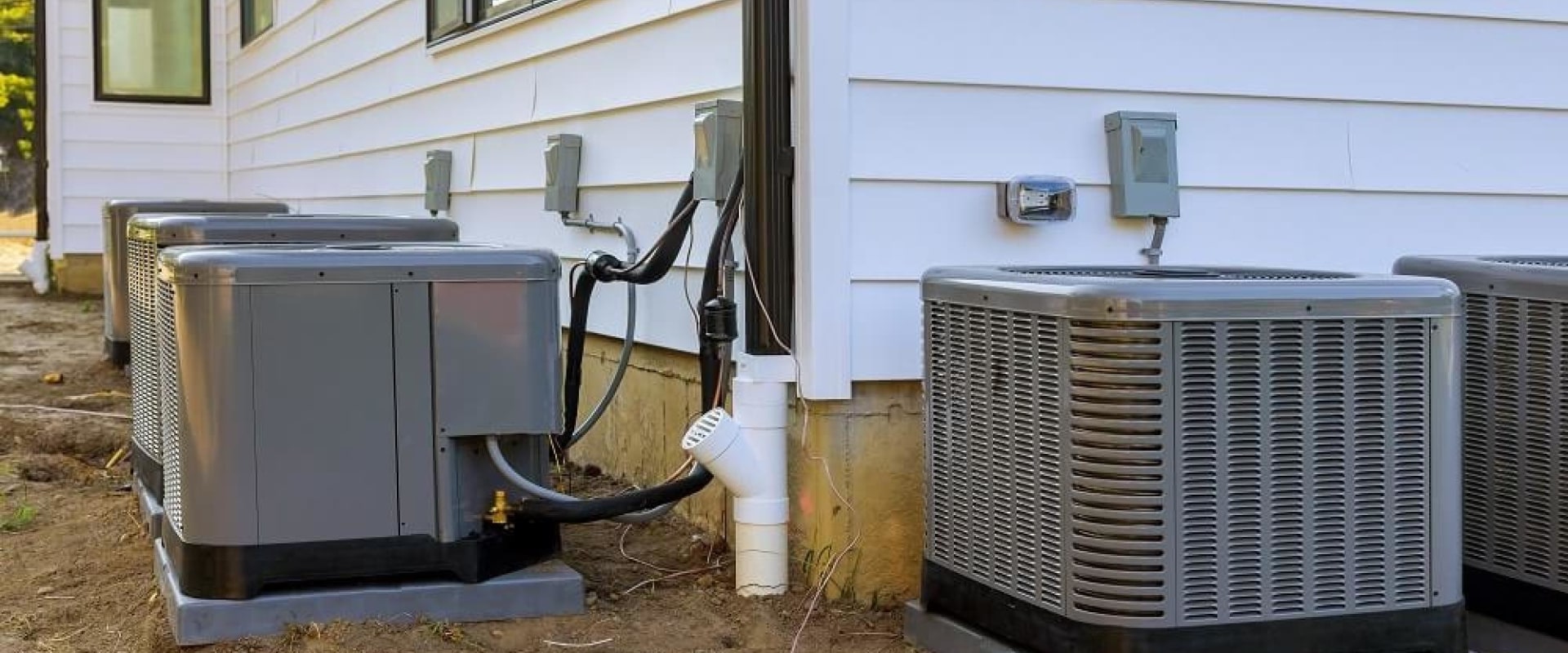
- Inspect the Outdoor Unit: Ensure that the outdoor condenser unit is free from debris such as leaves, dirt, and grass clippings.
Clear at least two feet of space around the unit to allow for proper airflow. If you notice any buildup, gently clean the fins with a soft brush or a garden hose.
- Check the Thermostat Settings: Make sure your thermostat is functioning correctly. If you have a programmable thermostat, set it to adjust temperatures according to your schedule. This can help save energy and maintain comfort levels in your home.
- Seal Ducts and Vents: Inspect ductwork for any visible gaps or leaks.
Sealing these with duct tape or mastic can prevent conditioned air from escaping, improving efficiency. Additionally, ensure that vents are not blocked by furniture or other obstructions.
- Clean the Condensate Drain Line: A clogged drain line can lead to water damage and increased humidity levels in your home. Use a wet/dry vacuum to clear any blockages from the drain line, or pour a mixture of vinegar and water down the line monthly to keep it clear.
- Schedule Seasonal Checks: While these DIY tasks are essential, they should complement professional maintenance. Schedule seasonal checks with an HVAC technician to address any complex issues that may arise.
Not only will this help in reducing energy bills, but it will also extend the lifespan of your equipment, ensuring that you stay comfortable year-round.
The Role of Professional Technicians in HVAC Maintenance
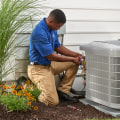
When it comes to maintaining your HVAC system, the expertise of professional technicians cannot be overstated. These trained specialists bring a wealth of knowledge and experience that is essential for ensuring your heating, ventilation, and air conditioning systems operate at peak efficiency.Understanding the Technician's Role
Professional HVAC technicians are equipped with the skills necessary to diagnose and resolve issues that may not be immediately apparent to the average homeowner. Their role encompasses a variety of tasks, including:
- Comprehensive Inspections: Technicians conduct thorough inspections of your HVAC system, checking for wear and tear, leaks, and other potential problems that could lead to costly repairs if left unaddressed.
- Preventive Maintenance: Regular maintenance services provided by professionals help prevent breakdowns. This includes cleaning filters, checking refrigerant levels, and ensuring all components are functioning correctly.
- Expert Recommendations: Based on their findings, technicians can offer tailored advice on how to improve system efficiency and longevity, which can save homeowners money on energy bills in the long run.
The Benefits of Hiring HVAC Experts
While some homeowners may consider DIY maintenance, hiring a professional HVAC service offers numerous advantages:
- Safety: HVAC systems involve electrical components and refrigerants that can be hazardous if mishandled.
Professionals are trained to handle these safely.
- Time Efficiency: Technicians can quickly identify and fix issues that might take an untrained individual much longer to resolve.
- Warranty Protection: Many HVAC manufacturers require regular professional maintenance to keep warranties valid. Hiring an expert ensures compliance with these requirements.
- Peace of Mind: Knowing that a qualified technician is handling your HVAC maintenance allows homeowners to relax, confident that their system is in good hands.
Cost Considerations for Regular HVAC Maintenance
When considering the costs associated with regular HVAC maintenance, it’s essential to view these expenses as an investment rather than a mere cost.Regular maintenance can significantly enhance the efficiency of your heating and cooling systems, ultimately leading to substantial savings over time.On average, homeowners can expect to pay between $100 to $300 annually for professional HVAC maintenance services. This typically includes a thorough inspection, cleaning, and minor adjustments to ensure that your system operates at peak performance. While this may seem like a considerable expense, it pales in comparison to the potential costs of emergency repairs or premature system replacements.
Budgeting for AC Service
When budgeting for AC service, it’s wise to factor in not only the annual maintenance fees but also any additional costs that may arise from unexpected repairs. Setting aside a small amount each month can help cushion the financial impact when maintenance time arrives.For instance, allocating $25 to $30 monthly can cover your annual maintenance costs and provide a buffer for minor repairs.
Cost vs. Savings in HVAC Care
The relationship between cost and savings in HVAC care is straightforward: regular maintenance leads to improved efficiency, which translates into lower energy bills. A well-maintained system can operate up to 15% more efficiently than one that is neglected. Over time, this efficiency can result in hundreds of dollars saved on energy costs.Moreover, regular maintenance helps identify potential issues before they escalate into major problems.For example, a small refrigerant leak can lead to increased energy consumption and costly repairs if left unaddressed. By investing in routine check-ups, you can avoid these larger expenses and extend the lifespan of your HVAC system.In conclusion, while the upfront costs of regular HVAC maintenance may seem daunting, the long-term benefits far outweigh these initial expenses. By budgeting appropriately and prioritizing routine care, homeowners can enjoy a more efficient system, lower energy bills, and peace of mind knowing their HVAC units are in optimal condition.
Frequently Asked Questions About HVAC Maintenance
When it comes to HVAC maintenance, many homeowners have questions that can help them better understand the importance of regular care for their systems. Below are some of the most frequently asked questions regarding AC maintenance and general HVAC care.1.How often should I schedule HVAC maintenance?
It is generally recommended to have your HVAC system serviced at least once a year.However, for optimal performance, especially in regions with extreme temperatures, scheduling maintenance twice a year—once in the spring for your air conditioning unit and once in the fall for your heating system—is ideal. This ensures that both systems are prepared for their respective seasons.
2.What does an HVAC maintenance service include?
A typical HVAC maintenance service includes several key tasks:- Inspection of components: Technicians will check the condition of various parts, including filters, coils, and electrical connections.
- Cleaning: Dust and debris can accumulate in your system, so cleaning components like coils and filters is essential for efficiency.
- Testing: The technician will test the system's performance to ensure it operates within manufacturer specifications.
- Refrigerant levels: Checking and adjusting refrigerant levels is crucial for air conditioning efficiency.
3.What are the signs that my HVAC system needs maintenance?
There are several indicators that your HVAC system may require attention:- Inconsistent temperatures: If certain rooms are warmer or cooler than others, it may indicate a problem.
- Noisy operation: Unusual sounds such as banging or hissing can signal mechanical issues.
- Increased energy bills: A sudden spike in energy costs may suggest that your system is working harder than it should due to inefficiency.
4.Can I perform any maintenance myself?
Yes, there are several simple tasks homeowners can do to maintain their HVAC systems:- Change air filters: Regularly replacing or cleaning air filters can significantly improve airflow and efficiency.
- Clear debris: Ensure that outdoor units are free from leaves, dirt, and other obstructions.
- Check thermostat settings: Make sure your thermostat is functioning correctly and set to the desired temperature.
Conclusion: Prioritizing Your HVAC System's Health
In conclusion, the significance of regular HVAC maintenance cannot be overstated. As we have explored throughout this article, maintaining your heating, ventilation, and air conditioning systems is essential for ensuring their longevity, efficiency, and overall performance.By prioritizing AC maintenance, homeowners can not only enhance their indoor comfort but also save on energy costs and prevent costly repairs down the line.One of the most critical takeaways is the recommendation for annual inspections. Scheduling a professional check-up at least once a year for both your air conditioning and heating systems is vital. This proactive approach allows technicians to identify potential issues before they escalate into major problems, ensuring that your HVAC system operates smoothly when you need it most.Moreover, for those utilizing heat pump systems or living in regions with extreme seasonal changes, biannual maintenance is advisable. This means having your system serviced in both spring and fall, which can significantly improve its efficiency and reliability throughout the year.Homeowners should also be aware of the specific tasks involved in HVAC maintenance.
Regular cleaning of filters, checking refrigerant levels, inspecting electrical components, and ensuring proper airflow are just a few of the essential services performed during maintenance visits. These tasks not only keep your system running efficiently but also contribute to better indoor air quality.Ultimately, neglecting HVAC maintenance can lead to a host of issues, including reduced efficiency, higher energy bills, and unexpected breakdowns. By making a commitment to regular maintenance, you are investing in the health of your HVAC system and the comfort of your home.In summary, prioritize your HVAC system's health by scheduling regular maintenance. This simple yet effective practice will ensure that your home remains comfortable year-round while extending the lifespan of your equipment.
Don't wait for a breakdown to remind you of its importance; take action today to secure a more efficient and reliable HVAC system for tomorrow.