In today's world, the significance of HVAC systems cannot be overstated. These systems, which encompass heating, ventilation, and air conditioning, play a crucial role in maintaining a comfortable indoor environment across various settings, from residential homes to commercial buildings. By regulating temperature and ensuring proper air quality, HVAC systems contribute significantly to our overall well-being and productivity. As we spend a considerable amount of time indoors, understanding the importance of these systems becomes essential for both comfort and health.At the heart of every effective HVAC system is its ability to provide consistent climate control.
This involves not only cooling or heating the air but also managing humidity levels and filtering out pollutants. A well-functioning air conditioning system, for instance, helps to remove excess moisture from the air while circulating fresh air throughout the space. This process not only enhances comfort but also reduces the risk of mold growth and other indoor air quality issues that can arise from stagnant or humid conditions.Moreover, the efficiency of HVAC systems directly impacts energy consumption and costs. An optimally functioning system can lead to significant savings on utility bills while minimizing environmental impact.
However, achieving this efficiency requires regular attention and maintenance. Neglecting routine care can lead to decreased performance, higher energy usage, and ultimately costly repairs or replacements. Therefore, understanding how HVAC systems operate and their importance in our daily lives sets the foundation for recognizing the benefits of regular AC maintenance.
What is AC Maintenance?
AC maintenance refers to the systematic process of inspecting, cleaning, and servicing air conditioning systems to ensure they operate efficiently and effectively. This essential practice not only enhances the performance of your HVAC system but also prolongs its lifespan, ultimately leading to significant cost savings over time.Understanding AC maintenance involves recognizing the various tasks that are integral to keeping your air conditioning unit in optimal condition.Here are some key components of a comprehensive AC maintenance plan:
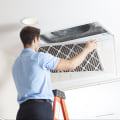
- Filter Replacement: One of the most critical tasks in AC maintenance is regularly replacing or cleaning the air filters. Clogged filters can restrict airflow, making your system work harder and consume more energy. It is recommended to check filters monthly and replace them every 1-3 months, depending on usage.
- Coil Cleaning: The evaporator and condenser coils can accumulate dirt over time, which impairs their ability to absorb and release heat. Cleaning these coils at least once a year helps maintain efficiency and prevents overheating.
- Refrigerant Level Check: Maintaining the correct refrigerant level is crucial for your AC's performance.
Low refrigerant levels can lead to inadequate cooling and increased energy consumption. During maintenance, a technician will check for leaks and ensure that levels are topped off as needed.
- Thermostat Calibration: Ensuring that your thermostat is accurately calibrated is vital for maintaining comfort levels in your home. A technician will check the thermostat settings and make adjustments if necessary to ensure it communicates effectively with the HVAC system.
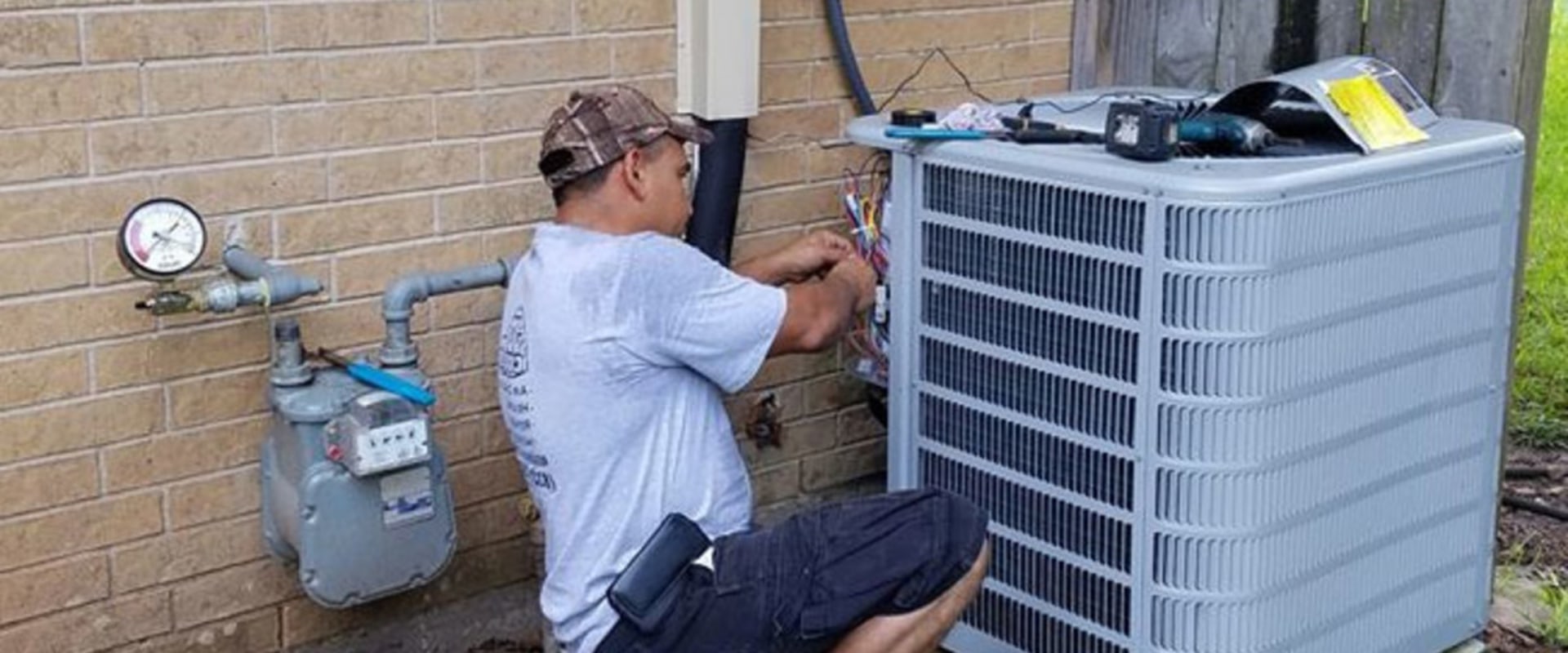
- Electrical Component Inspection: Regularly inspecting electrical connections, including wiring and terminals, helps prevent potential hazards such as short circuits or fires. Technicians will tighten connections and check for any signs of wear or damage.
- Ductwork Inspection: Leaks or blockages in ductwork can significantly reduce system efficiency.
Maintenance includes inspecting ducts for any issues that could impede airflow, ensuring that conditioned air reaches its intended destination.
The Key Benefits of Regular HVAC Maintenance
Regular HVAC maintenance is not just a good practice; it is essential for ensuring the longevity and efficiency of your air conditioning system. The benefits of consistent AC maintenance extend far beyond mere functionality, impacting energy consumption, indoor air quality, and overall comfort.1.Enhanced Energy Efficiency
One of the most significant advantages of regular HVAC maintenance is improved energy efficiency. A well-maintained system operates more effectively, consuming less energy to achieve the desired temperature.
This efficiency translates into lower utility bills, which can be a substantial saving over time. For instance, routine tasks such as cleaning coils and replacing filters can enhance airflow and reduce the workload on your system, leading to energy savings of up to 15%.
2.Cost Savings on Repairs
Investing in preventive maintenance can save you from costly repairs down the line. Regular inspections allow technicians to identify potential issues before they escalate into major problems that require expensive repairs or even complete system replacements. By addressing minor concerns early, you can avoid the financial strain of emergency repairs.
3.Improved Indoor Air Quality
Your HVAC system plays a crucial role in maintaining indoor air quality.
Over time, dust, allergens, and pollutants can accumulate in your system and circulate throughout your home or office. Regular maintenance includes cleaning or replacing filters, which helps trap these contaminants and ensures that the air you breathe is clean and healthy. This is particularly important for individuals with allergies or respiratory issues.
4.Extended Lifespan of Your HVAC System
Just like any other mechanical system, your HVAC unit has a finite lifespan. However, regular maintenance can significantly extend this lifespan.
By keeping all components in optimal condition and addressing wear and tear promptly, you can ensure that your system lasts longer than it would without proper care. This means fewer replacements and a better return on your investment.
5.Consistent Comfort Levels
A well-maintained HVAC system provides consistent heating and cooling throughout your space. Regular checks ensure that all components are functioning correctly, preventing hot or cold spots in your home or office. This consistency contributes to a more comfortable living or working environment.In conclusion, the benefits of regular HVAC maintenance are clear: enhanced energy efficiency, cost savings on repairs, improved indoor air quality, extended system lifespan, and consistent comfort levels.
By prioritizing AC maintenance, you not only protect your investment but also create a healthier and more comfortable environment for yourself and those around you.
Improved Energy Efficiency and Cost Savings
Regular AC maintenance plays a pivotal role in enhancing the energy efficiency of your HVAC system, which directly translates to significant cost savings on your utility bills. When your air conditioning unit is well-maintained, it operates more effectively, consuming less energy while providing the same level of cooling comfort.One of the primary reasons for improved energy efficiency is the routine cleaning and replacement of air filters. According to the U. S.Department of Energy, a clean filter can improve your system's efficiency by up to 15%. This means that by simply changing or cleaning your filters regularly, you can reduce your energy consumption significantly. A dirty filter restricts airflow, forcing the system to work harder to cool your space, which in turn increases energy usage and costs.Additionally, regular inspections and maintenance help identify potential issues before they escalate into costly repairs. For instance, if a technician discovers a refrigerant leak during a routine check, they can address it immediately.
Low refrigerant levels not only hinder cooling performance but also lead to increased energy consumption as the system struggles to maintain desired temperatures.
Statistical Insights
Statistics reveal that HVAC systems that receive regular maintenance can operate at an efficiency rate of 95% or higher. In contrast, neglected systems may drop to as low as 70% efficiency. This decline in performance can lead to an increase in energy bills by as much as 30%. By investing in regular maintenance, homeowners can save hundreds of dollars annually on their energy costs.Long-Term Financial Benefits
Moreover, maintaining your HVAC system not only reduces immediate energy costs but also extends the lifespan of the unit.A well-maintained air conditioning system can last up to 15 years or more, compared to an average lifespan of 10 years for poorly maintained units. This longevity means fewer replacements and lower overall expenditure on HVAC systems over time.In conclusion, prioritizing regular AC maintenance is essential for maximizing energy efficiency and achieving substantial cost savings. By ensuring that your HVAC system operates at peak performance through routine checks and necessary repairs, you can enjoy a comfortable indoor environment while keeping your utility bills in check.
Extending the Lifespan of Your HVAC System
Regular maintenance of your HVAC system is not just a good practice; it is essential for ensuring the longevity of your air conditioning units. By committing to routine AC maintenance, you can significantly extend the lifespan of your HVAC system, preventing major issues that could lead to costly repairs or even premature replacement.One of the primary ways that regular maintenance contributes to the durability of your HVAC system is through early detection of potential problems.During routine inspections, HVAC technicians can identify wear and tear on components such as belts, motors, and electrical connections. Addressing these minor issues before they escalate into major failures can save you both time and money in the long run.Additionally, keeping your system clean is crucial for its performance and longevity. Dust and debris can accumulate in various parts of your HVAC system, including the filters, coils, and ducts. This buildup not only reduces efficiency but also puts extra strain on the system as it works harder to maintain desired temperatures.
Regular cleaning as part of a maintenance plan helps ensure that air flows freely and that all components operate smoothly.Another important aspect of HVAC maintenance is the replacement or cleaning of air filters. Clogged filters can restrict airflow, leading to increased energy consumption and wear on the system. By changing or cleaning filters regularly, you help maintain optimal airflow, which is vital for efficient operation and longevity.Moreover, maintaining proper refrigerant levels is essential for the health of your AC unit. Low refrigerant levels can cause the compressor to overheat and fail, which is one of the most expensive repairs you can face.
Regular checks during maintenance visits ensure that refrigerant levels are adequate, preventing unnecessary strain on your system.In summary, investing in regular AC maintenance not only enhances the efficiency of your HVAC system but also plays a critical role in extending its lifespan. By proactively addressing minor issues, keeping components clean, ensuring proper airflow, and monitoring refrigerant levels, you can enjoy a more durable and reliable HVAC system for years to come.
Enhancing Indoor Air Quality Through Maintenance
Maintaining your HVAC system is not just about ensuring it runs efficiently; it plays a crucial role in enhancing indoor air quality (IAQ). A clean and well-maintained air conditioning system can significantly reduce the presence of pollutants and allergens in your home or workplace, leading to a healthier environment.One of the primary ways that regular AC maintenance improves indoor air quality is through the replacement and cleaning of filters. Over time, filters accumulate dust, pollen, pet dander, and other particulates.When these filters become clogged, they can no longer effectively trap these contaminants, allowing them to circulate throughout your space. Regularly changing or cleaning filters can help ensure that the air you breathe is free from harmful particles.In addition to filters, the overall cleanliness of the HVAC system itself is vital. Dust and debris can build up in various components, including ducts and coils. This buildup not only reduces efficiency but also serves as a breeding ground for mold and bacteria.
During routine maintenance, HVAC professionals will clean these components, which helps to eliminate potential sources of indoor air pollution.
Health Benefits of Improved Indoor Air Quality
- Reduced Allergens: Regular maintenance minimizes allergens such as dust mites and mold spores, which can trigger asthma and allergy symptoms.
- Lower Risk of Respiratory Issues: Clean air reduces the likelihood of respiratory infections and other health problems associated with poor air quality.
- Enhanced Comfort: A well-maintained HVAC system provides consistent temperature control, contributing to overall comfort and well-being.
Investing in routine maintenance not only protects your HVAC system but also safeguards your health and comfort.
Preventing Costly Repairs and Breakdowns
Regular HVAC maintenance plays a crucial role in preventing costly repairs and unexpected breakdowns. By engaging in proactive maintenance, homeowners and facility managers can identify potential issues before they escalate into significant problems. This not only saves money but also ensures the reliability of the HVAC system.One of the primary benefits of routine maintenance is the early detection of wear and tear on critical components. For instance, during a maintenance check, a technician can spot signs of corrosion on electrical connections or wear on belts and bearings.Addressing these minor issues promptly can prevent them from leading to major failures that require expensive repairs or even complete system replacements.Additionally, regular inspections allow for the monitoring of refrigerant levels and airflow efficiency. Low refrigerant levels can cause the system to work harder than necessary, leading to increased energy consumption and potential compressor failure. By ensuring that refrigerant levels are adequate and that airflow is unobstructed, you can maintain optimal performance and avoid costly breakdowns.
Key Benefits of Preventive Maintenance:
- Identifying Problems Early: Regular checks help catch issues like leaks or mechanical failures before they worsen.
- Extending Equipment Lifespan: A well-maintained system operates more efficiently, reducing the likelihood of premature failure.
- Reducing Emergency Repairs: Scheduled maintenance minimizes the chances of unexpected breakdowns that require urgent repairs.
- Enhancing System Reliability: Consistent upkeep ensures that your HVAC system runs smoothly when you need it most.
By committing to a preventive maintenance schedule, you not only safeguard your HVAC system but also contribute to a more comfortable indoor environment.In conclusion, investing in regular AC maintenance is essential for preventing costly repairs and ensuring the reliability of your HVAC system. By identifying potential issues early and addressing them promptly, you can enjoy peace of mind knowing that your heating and cooling systems are operating efficiently and effectively.
Common Maintenance Tasks for Your HVAC System
Regular HVAC maintenance is essential for ensuring the longevity and efficiency of your air conditioning system. Understanding the common maintenance tasks involved can help you appreciate the value of a comprehensive service plan. Here’s a detailed look at the typical tasks included in routine AC checks:- Filter Replacement or Cleaning: One of the most critical tasks is to regularly replace or clean the air filters.
Clogged filters can restrict airflow, leading to increased energy consumption and reduced efficiency. It is recommended to check filters monthly and replace or clean them every 1-3 months, depending on usage.
- Coil Cleaning: The evaporator and condenser coils can accumulate dirt over time, which impairs their ability to absorb and release heat. Cleaning these coils at least once a year helps maintain optimal performance and energy efficiency.
- Refrigerant Level Check: Maintaining the correct refrigerant level is crucial for your AC's performance. Low refrigerant levels can lead to inadequate cooling and increased energy costs.
During maintenance, technicians will check for leaks and ensure that refrigerant levels are topped off as needed.
- Thermostat Calibration: A properly calibrated thermostat ensures that your HVAC system operates efficiently. Technicians will check the thermostat settings and make adjustments to ensure accurate temperature control.
- Electrical Component Inspection: Regular checks of electrical connections, including wiring and terminals, are vital for safety and performance. Loose or corroded connections can lead to system failures or even fire hazards.
- Drain Line Cleaning: The condensate drain line can become clogged with algae or debris, leading to water damage and increased humidity levels indoors. Routine cleaning of this line helps prevent blockages and ensures proper drainage.
- System Performance Testing: After completing maintenance tasks, technicians will conduct performance tests to ensure that your HVAC system is operating efficiently.
This includes checking airflow, temperature differentials, and overall system responsiveness.
How Often Should You Schedule HVAC Maintenance?
Determining how often to schedule HVAC maintenance is essential for ensuring the longevity and efficiency of your air conditioning system. While many homeowners may wonder about the ideal frequency, several factors can influence the recommended maintenance schedule.General Recommendations
- For most residential systems, it is advisable to schedule AC maintenance at least once a year. This annual check-up typically occurs in the spring, just before the cooling season begins.
- For homes in regions with extreme temperatures or heavy usage, biannual maintenance—once in the spring and once in the fall—is often recommended.
This ensures that both heating and cooling systems are operating efficiently.
Factors Influencing Maintenance Frequency
- Usage Patterns: If your air conditioning system is used frequently or runs for extended periods, more frequent maintenance may be necessary. Homes with larger families or those that host gatherings often may require additional checks.
- Age of the System: Older HVAC systems may benefit from more regular inspections. As systems age, they can develop issues that require early detection to avoid costly repairs.
- Environmental Conditions: Homes located in dusty or pollen-heavy areas may need more frequent filter changes and system checks. Additionally, if your home is near construction sites or heavily wooded areas, debris can accumulate in your system more quickly.
- Allergies and Air Quality: If anyone in your household suffers from allergies or respiratory issues, consider scheduling maintenance more frequently to ensure optimal indoor air quality.
Signs That Maintenance Is Needed
- If you notice unusual noises coming from your HVAC system, it may indicate a need for immediate inspection.
- A sudden increase in energy bills can also signal that your system is not operating efficiently and may require maintenance.
- If you experience inconsistent temperatures throughout your home, it’s a good idea to have a professional evaluate your system.
Regularly assessing your HVAC system's performance and being proactive about maintenance can lead to significant savings and improved comfort in your home.
Choosing the Right HVAC Maintenance Plan for Your Needs
When it comes to maintaining your HVAC system, selecting the right maintenance plan is crucial for ensuring optimal performance and longevity. With various options available, it can be overwhelming to determine which plan best suits your needs and budget. Here are some key factors to consider when choosing an HVAC maintenance plan:- Assess Your HVAC System: Before selecting a maintenance plan, evaluate the type and age of your HVAC system. Different systems may require specific types of care.
For instance, older units might need more frequent check-ups compared to newer models.
- Understand Your Usage: Consider how often you use your HVAC system. If you live in a climate with extreme temperatures or use your system year-round, a more comprehensive maintenance plan may be necessary to ensure reliability.
- Research Service Providers: Look for reputable HVAC service providers in your area. Check online reviews, ask for recommendations from friends or family, and verify their credentials. A trustworthy provider will have certified technicians and a solid track record of customer satisfaction.
- Compare Maintenance Plans: Once you have a list of potential service providers, compare their maintenance plans.
Look for details such as:
- Frequency of Service: How often will the technician visit? Some plans offer biannual visits, while others may provide quarterly check-ups.
- Services Included: Ensure that the plan covers essential services like filter replacement, coil cleaning, and refrigerant checks.
- Cost: Evaluate the cost of each plan against the services offered. While it may be tempting to choose the cheapest option, consider the value of comprehensive service.
- Look for Additional Benefits: Some HVAC maintenance plans offer perks such as priority service during peak seasons, discounts on repairs, or even warranties on parts and labor. These benefits can add significant value to your investment.
- Read the Fine Print: Before signing any agreement, carefully read the terms and conditions. Pay attention to cancellation policies, service guarantees, and any hidden fees that may apply.
<strong>Conclusion</strong>
In conclusion, the importance of regular AC maintenance cannot be overstated.It serves as a cornerstone for ensuring that your HVAC system operates efficiently and effectively throughout its lifespan. By committing to a routine maintenance schedule, homeowners and facility managers alike can reap a multitude of benefits that extend beyond mere comfort.One of the most significant advantages of regular maintenance is the enhancement of energy efficiency. A well-maintained air conditioning system consumes less energy, which translates to lower utility bills. This is particularly crucial in regions with extreme temperatures, where air conditioning is not just a luxury but a necessity.
By keeping your system in optimal condition, you can avoid the pitfalls of excessive energy consumption and contribute to a more sustainable environment.Moreover, regular AC maintenance plays a vital role in prolonging the lifespan of your HVAC system. Just like any other mechanical system, your air conditioner requires care and attention to function at its best. Neglecting routine checks can lead to minor issues escalating into major problems that may require costly repairs or even complete system replacement. By investing in preventive maintenance, you are essentially safeguarding your investment.Another critical aspect is the improvement of indoor air quality.
A well-maintained HVAC system filters out dust, allergens, and other pollutants, ensuring that the air circulating within your home or office is clean and healthy. This is especially important for individuals with respiratory issues or allergies, as poor air quality can exacerbate these conditions.In summary, the benefits of regular AC maintenance are manifold: enhanced energy efficiency, extended equipment lifespan, and improved indoor air quality. By prioritizing routine inspections and servicing, you not only ensure the comfort of your living or working space but also contribute to significant cost savings over time. Therefore, make it a point to schedule regular maintenance for your HVAC system; it’s an investment that pays dividends in both comfort and efficiency.