Understanding AC maintenance is essential for every homeowner who relies on air conditioning systems to keep their living spaces comfortable. At its core, AC maintenance refers to the routine tasks and checks performed to ensure that your air conditioning unit operates efficiently and effectively. This includes everything from changing filters and cleaning coils to inspecting electrical components and checking refrigerant levels. By prioritizing these maintenance tasks, you can significantly enhance the performance of your system while also extending its lifespan.The importance of AC maintenance cannot be overstated.
Regular upkeep not only helps in preventing unexpected breakdowns but also ensures that your unit runs at optimal efficiency. An air conditioner that is well-maintained consumes less energy, which translates to lower utility bills. Moreover, neglecting maintenance can lead to a host of issues, including reduced air quality, increased wear and tear on components, and even complete system failure. In fact, many HVAC professionals recommend scheduling maintenance at least once a year to catch potential problems before they escalate.There are numerous benefits associated with regular AC maintenance.
For starters, it can improve indoor air quality by ensuring that filters are clean and free from dust and allergens. This is particularly important for households with pets or individuals who suffer from allergies. Additionally, a well-maintained air conditioning system operates more quietly and provides consistent cooling throughout your home. Ultimately, investing time and resources into regular maintenance not only enhances comfort but also protects your investment in the long run.
The Benefits of Regular AC Maintenance
Regular AC maintenance is not just a good practice; it is essential for ensuring that your air conditioning system operates at peak performance.The benefits of maintaining your air conditioner extend beyond mere functionality; they encompass efficiency, cost savings, and longevity of the unit.
Improved Efficiency
One of the most significant advantages of regular AC maintenance is improved efficiency. When your air conditioning system is well-maintained, it can cool your home more effectively. This means that the unit does not have to work as hard to achieve the desired temperature, leading to lower energy consumption. A clean system with unclogged filters and coils allows for better airflow, which directly impacts how efficiently your air conditioner operates.
Cost Savings
Investing in routine maintenance can lead to substantial cost savings over time.
A well-maintained air conditioner is less likely to experience breakdowns and costly repairs. In fact, studies show that regular maintenance can reduce repair costs by up to 30%. Additionally, improved efficiency translates into lower energy bills. Homeowners often notice a significant decrease in their monthly utility expenses after committing to a regular maintenance schedule.
Extended Lifespan
Another compelling reason to prioritize AC maintenance is the extension of your unit's lifespan.
Air conditioners are a significant investment, and regular upkeep can help you get the most out of that investment. By addressing minor issues before they escalate into major problems, you can prolong the life of your system. Many manufacturers recommend annual maintenance checks to keep warranties valid and ensure optimal performance.
Enhanced Air Quality
Regular maintenance also plays a crucial role in improving indoor air quality. Over time, dust, allergens, and other pollutants can accumulate in your air conditioning system.
During maintenance, these contaminants are removed, resulting in cleaner air circulating throughout your home. This is particularly beneficial for individuals with allergies or respiratory issues.
Peace of Mind
Finally, knowing that your air conditioning system is regularly maintained provides peace of mind. You can rest easy knowing that your unit is less likely to fail during the hottest months of the year when you need it most. Regular service checks allow you to catch potential issues early, ensuring that you stay comfortable all summer long.In summary, the benefits of regular AC maintenance are clear: improved efficiency, cost savings, extended lifespan, enhanced air quality, and peace of mind.
By prioritizing routine service for your air conditioning system, you are making a wise investment in your home’s comfort and health.
Key Components of Your Air Conditioner That Need Maintenance
Maintaining your air conditioning system is crucial for its longevity and efficiency. Several key components require regular attention to ensure optimal performance. Here are the essential parts of your air conditioner that need maintenance:- Air Filters: The air filter is one of the most critical components in your AC system. It traps dust, dirt, and allergens, preventing them from circulating in your home.
Regularly checking and replacing or cleaning the filters every one to two months is vital, especially during peak usage seasons. A clogged filter can restrict airflow, causing the system to work harder and increasing energy costs.
- Evaporator Coils: The evaporator coils absorb heat from the indoor air, cooling it before it circulates back into your home. Over time, these coils can accumulate dirt and debris, which can hinder their ability to absorb heat effectively. Cleaning the evaporator coils at least once a year can help maintain efficiency and prevent potential breakdowns.
- Condenser Coils: Located outside your home, the condenser coils release heat absorbed from the indoor air.
Like evaporator coils, they can also become dirty due to exposure to outdoor elements. Regularly cleaning these coils ensures that your AC unit can expel heat efficiently, which is essential for maintaining a comfortable indoor environment.
- Compressor: The compressor is often referred to as the heart of your air conditioning system. It pumps refrigerant through the system and is responsible for cooling the air. Regular maintenance of the compressor includes checking for leaks, ensuring proper lubrication, and verifying that it operates within the correct pressure range.
Neglecting this component can lead to costly repairs or even complete system failure.
- Drain Line: The drain line removes excess moisture from your AC unit. If this line becomes clogged with algae or debris, it can lead to water damage and increased humidity levels in your home. Flushing the drain line with a mixture of vinegar and water periodically can help prevent clogs and ensure proper drainage.
How Often Should You Schedule AC Maintenance?
When it comes to AC maintenance, understanding how often to schedule service is crucial for ensuring your air conditioning system operates efficiently and lasts longer.The general recommendation is to have your air conditioner serviced at least once a year, ideally in the spring before the cooling season begins. This proactive approach allows technicians to identify and address potential issues before they escalate into costly repairs.However, the frequency of AC maintenance can vary based on several factors:
- Usage: If you use your air conditioner frequently or live in a hot climate, consider scheduling maintenance twice a year. This ensures that your system remains in peak condition during the hottest months.
- Age of the Unit: Older air conditioning units may require more frequent servicing. As systems age, they can develop issues that need regular attention to maintain efficiency.
- Environmental Factors: Homes located in dusty or pollen-heavy areas may need more frequent filter changes and system checks.
Additionally, if you have pets, their fur can clog filters and affect performance.
- System Type: Different types of systems may have varying maintenance needs. For instance, central air conditioning systems typically require more comprehensive maintenance compared to window units.
Low refrigerant can indicate a leak, which not only affects cooling efficiency but can also damage the compressor if not addressed promptly. If you notice any unusual noises or a decrease in cooling performance, it’s wise to contact a professional immediately.Ultimately, establishing a consistent AC maintenance schedule tailored to your specific needs will help ensure that your air conditioning system runs smoothly and efficiently for years to come. Regular service not only enhances comfort but also contributes to energy savings and prolongs the lifespan of your unit.
DIY vs. Professional AC Maintenance: What You Need to Know
When it comes to maintaining your air conditioning system, homeowners often find themselves weighing the options between DIY AC maintenance and hiring a professional service.Understanding the differences between these two approaches can help you make informed decisions that ensure your system runs efficiently and effectively.
DIY AC Maintenance Tips
There are several maintenance tasks that homeowners can perform on their own to keep their air conditioning units in good working order. Here are some essential DIY AC maintenance tips :- Regular Filter Replacement: One of the simplest yet most effective tasks is to check and replace your air filters every one to two months. Clogged filters can restrict airflow, making your system work harder and less efficiently.
- Clean the Outdoor Unit: Ensure that the outdoor condenser unit is free from debris such as leaves, dirt, and grass clippings. A clean unit allows for better airflow and heat exchange.
- Inspect Ductwork: Look for any visible signs of wear or damage in your ductwork.
Sealing leaks can improve efficiency and reduce energy costs.
- Check Thermostat Settings: Make sure your thermostat is functioning correctly and set to an appropriate temperature. Consider upgrading to a programmable thermostat for better energy management.
Professional AC Service Benefits
While DIY maintenance can cover basic tasks, there are significant benefits to hiring a professional HVAC technician for more complex issues:- Expertise and Experience: Professionals have the training and experience to identify potential problems that may not be obvious to the average homeowner.
- Comprehensive Inspections: A professional service includes a thorough inspection of all components, including electrical connections, refrigerant levels, and mechanical parts.
- Warranty Compliance: Many manufacturers require regular professional maintenance to keep warranties valid. Neglecting this could lead to costly repairs down the line.
- Time-Saving: Hiring a professional saves you time and effort, allowing you to focus on other important tasks while ensuring your AC is in top shape.
When to Call an HVAC Technician
Knowing when to seek professional help is crucial for maintaining your air conditioning system. Here are some signs that indicate it’s time to call an HVAC technician:- If you notice unusual noises coming from your unit, such as grinding or squealing sounds.
- If your air conditioner is blowing warm air instead of cool air, despite setting the thermostat correctly.
- If there are visible leaks or moisture around the unit, which could indicate refrigerant issues or drainage problems.
- If you experience frequent cycling on and off, which may suggest an underlying issue with the compressor or electrical components.
Balancing DIY efforts with professional services will help ensure your air conditioning system operates efficiently and lasts for years to come.
Common Mistakes to Avoid in AC Maintenance
When it comes to ac maintenance, many homeowners unknowingly make mistakes that can lead to inefficiencies, costly repairs, or even complete system failures. Understanding these common errors is crucial for ensuring your air conditioning unit operates at peak performance. Here are some frequent pitfalls to avoid:- Neglecting Regular Filter Changes: One of the most significant mistakes is failing to change or clean the air filters regularly. Clogged filters restrict airflow, forcing your system to work harder and consume more energy.
Aim to check your filters every month and replace them every one to three months, depending on usage and environmental factors.
- Ignoring the Outdoor Unit: Many homeowners focus solely on the indoor components of their air conditioning system while neglecting the outdoor unit. The condenser coils can accumulate dirt, leaves, and debris, which can hinder performance. Regularly inspect and clean the area around your outdoor unit to ensure proper airflow.
- Overlooking Professional Maintenance: While DIY maintenance is essential, it should not replace professional servicing. Schedule annual inspections with a licensed HVAC technician who can identify potential issues before they escalate.
This proactive approach can save you money in the long run.
- Setting the Thermostat Incorrectly: Some homeowners make the mistake of setting their thermostat too low in an attempt to cool their home quickly. This can lead to excessive energy consumption and unnecessary strain on the system. Instead, set your thermostat to a comfortable temperature and allow the system to operate efficiently.
- Turning Off the AC When Away: A common misconception is that turning off your air conditioner while away saves energy. In reality, this can cause your unit to work harder when you return home.
Instead, consider raising the thermostat setting while you’re gone to maintain a more consistent temperature.
- Ignoring Unusual Noises or Smells: If you notice strange sounds or odors coming from your air conditioning unit, don’t ignore them. These could be signs of underlying issues that require immediate attention. Addressing these problems early can prevent more significant damage and costly repairs.
Signs Your Air Conditioner Needs Immediate Attention
Recognizing the signs that your air conditioner requires immediate attention is crucial for maintaining a comfortable living environment and preventing costly repairs.Here are some key indicators that your AC unit may be experiencing problems:
- Unusual Noises: If your air conditioner starts making strange sounds such as grinding, squealing, or banging, it could indicate a mechanical issue. These noises often suggest that components are loose or damaged and need to be addressed promptly.
- Inconsistent Cooling: If certain rooms in your home are warmer than others or if the AC fails to cool the space effectively, it may be a sign of a refrigerant leak or a malfunctioning compressor. This inconsistency can lead to increased energy bills and discomfort.
- Foul Odors: A musty or burning smell coming from your air conditioning unit can indicate mold growth or electrical issues. Mold can pose health risks, while electrical problems can lead to fire hazards.
Both situations require immediate professional evaluation.
- Increased Energy Bills: A sudden spike in your energy costs without any change in usage patterns may suggest that your air conditioner is working harder than it should due to inefficiencies. This could be caused by dirty filters, blocked ducts, or failing components.
- Water Leaks: If you notice water pooling around your air conditioning unit, it could indicate a clogged drain line or a refrigerant leak. Both issues can lead to significant damage if not addressed quickly.
- Frequent Cycling: If your air conditioner frequently turns on and off (short cycling), it may be struggling to maintain the desired temperature due to an oversized unit or other underlying issues. This not only affects comfort but can also lead to premature wear and tear on the system.
Timely repairs can prevent further damage and ensure that your air conditioning system operates efficiently throughout the cooling season.
The Role of Filters in AC Maintenance
Filters are a vital component of your air conditioning system, playing a crucial role in maintaining its efficiency and performance. They serve as the first line of defense against dust, dirt, and other airborne particles that can infiltrate your AC unit. When filters are clean and functioning properly, they help ensure that your air conditioner operates smoothly, providing you with cool, clean air while also reducing energy consumption.Importance of AC Filters
The significance of AC filters cannot be overstated. Clogged or dirty filters can lead to a range of issues, including:
- Reduced Efficiency: When filters are blocked, the airflow is restricted, forcing your air conditioner to work harder to cool your home.
This not only increases energy bills but can also lead to premature wear and tear on the system.
- Poor Air Quality: Dirty filters allow dust, allergens, and pollutants to circulate in your home, potentially causing respiratory issues and allergies for you and your family.
- System Overheating: A lack of proper airflow can cause the compressor to overheat, leading to costly repairs or even complete system failure.
How to Clean AC Filters
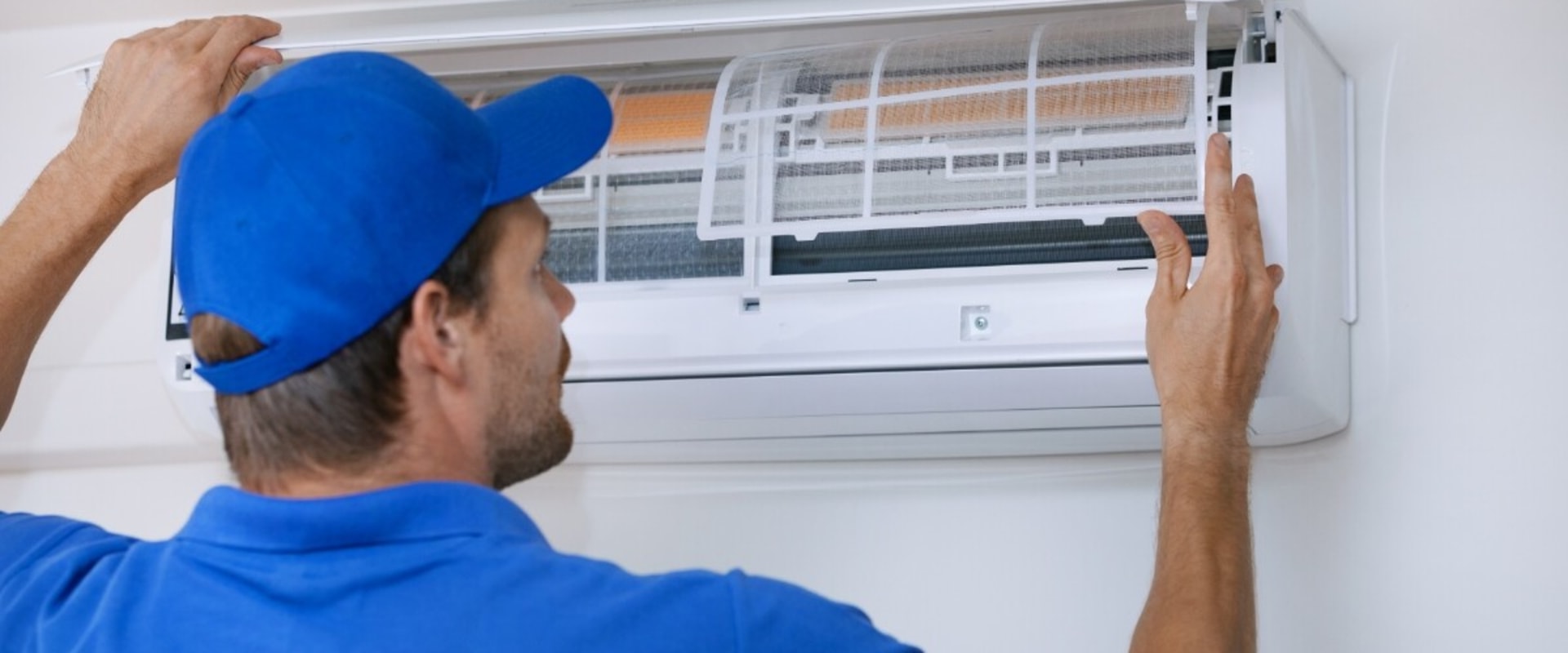
Cleaning your AC filters is a straightforward process that can be done in just a few steps:
- Turn Off the AC: Before you begin, ensure that your air conditioning unit is turned off to prevent any accidents.
- Locate the Filters: Depending on your system, filters may be found in various locations such as the return air duct or within the unit itself.
- Remove the Filters: Carefully take out the filters from their housing. Be cautious not to damage any components during this process.
- Clean or Replace: If the filters are reusable, rinse them under warm water until they are free of dust and debris. Allow them to dry completely before reinserting. If they are disposable, replace them with new ones according to the manufacturer's recommendations.
- Reinstall the Filters: Once cleaned or replaced, carefully put the filters back into their original position and ensure they fit snugly.
Replacing Air Conditioner Filters
In addition to regular cleaning, it’s essential to replace your air conditioner filters periodically.
The frequency of replacement depends on several factors:
- Type of Filter: Some filters are designed for longer use than others. Check the manufacturer's guidelines for specific recommendations.
- Usage Patterns: If you run your AC frequently or have pets that shed fur, you may need to replace filters more often.
- Environmental Conditions: Homes located in dusty areas or those with high pollen counts may require more frequent filter changes.
Energy Efficiency and Cost Savings Through Regular Maintenance
Regular AC maintenance is not just about keeping your air conditioning unit running smoothly; it also plays a significant role in enhancing energy efficiency and reducing your overall utility bills. When your air conditioner is well-maintained, it operates more effectively, which translates to lower energy consumption and cost savings for homeowners.One of the primary ways that routine maintenance contributes to energy efficiency is by ensuring that all components of the system are clean and functioning optimally.For instance, dirty filters can restrict airflow, forcing the system to work harder to cool your home. This increased workload not only leads to higher energy usage but can also shorten the lifespan of your unit. By regularly cleaning or replacing filters, you can help maintain proper airflow and efficiency.Additionally, regular inspections and tune-ups allow HVAC professionals to identify and address potential issues before they escalate into costly repairs. For example, a refrigerant leak can significantly reduce the efficiency of your air conditioning system.
If left unchecked, it can lead to increased energy bills as the unit struggles to maintain the desired temperature. By scheduling routine maintenance, you can catch these problems early and ensure that your system operates at peak performance.Another factor contributing to energy efficiency is the calibration of your thermostat. During a maintenance visit, technicians can check and adjust your thermostat settings to ensure they are accurate. An improperly calibrated thermostat can lead to unnecessary cooling cycles, which not only wastes energy but also increases wear and tear on your system.Moreover, regular maintenance helps in optimizing the overall performance of your air conditioning system.
This includes checking the compressor, evaporator coils, and condenser coils for any signs of wear or damage. Keeping these components in good condition ensures that your air conditioner runs efficiently, which directly impacts your energy bills.In summary, investing in regular AC maintenance is a smart financial decision for homeowners. Not only does it enhance the energy efficiency of your cooling system, but it also leads to significant cost savings over time. By reducing energy consumption and preventing costly repairs, you can enjoy a comfortable home environment without breaking the bank.
Conclusion: Prioritizing Your Air Conditioner’s Health
In conclusion, the significance of regular AC maintenance cannot be overstated.As we have explored throughout this article, a well-maintained air conditioning system not only enhances your comfort but also contributes to energy efficiency and longevity. By prioritizing the health of your air conditioner, you are making a wise investment in your home and your well-being.To recap, here are the essential points regarding the importance of routine maintenance:
- Improved Efficiency: Regular maintenance ensures that your air conditioning unit operates at peak efficiency, which can lead to lower energy bills.
- Extended Lifespan: Just like any other appliance, your AC unit benefits from consistent care. Routine checks and cleaning can significantly extend its lifespan.
- Enhanced Air Quality: Clean filters and components help maintain better indoor air quality by reducing allergens and pollutants.
- Prevention of Costly Repairs: Identifying and addressing minor issues before they escalate can save you from expensive repairs down the line.
- Warranty Compliance: Many manufacturers require regular maintenance to keep warranties valid. Neglecting this can lead to voided warranties and unexpected costs.
Simple tasks such as changing filters regularly, cleaning coils, and scheduling professional inspections can make a significant difference. Additionally, consider setting reminders for these tasks to ensure they are not overlooked.Ultimately, investing time and effort into AC maintenance will pay off in the long run. Not only will you enjoy a comfortable living environment, but you will also contribute to a more sustainable future by reducing energy consumption. So, take action today—your air conditioner will thank you for it!.