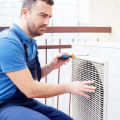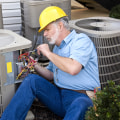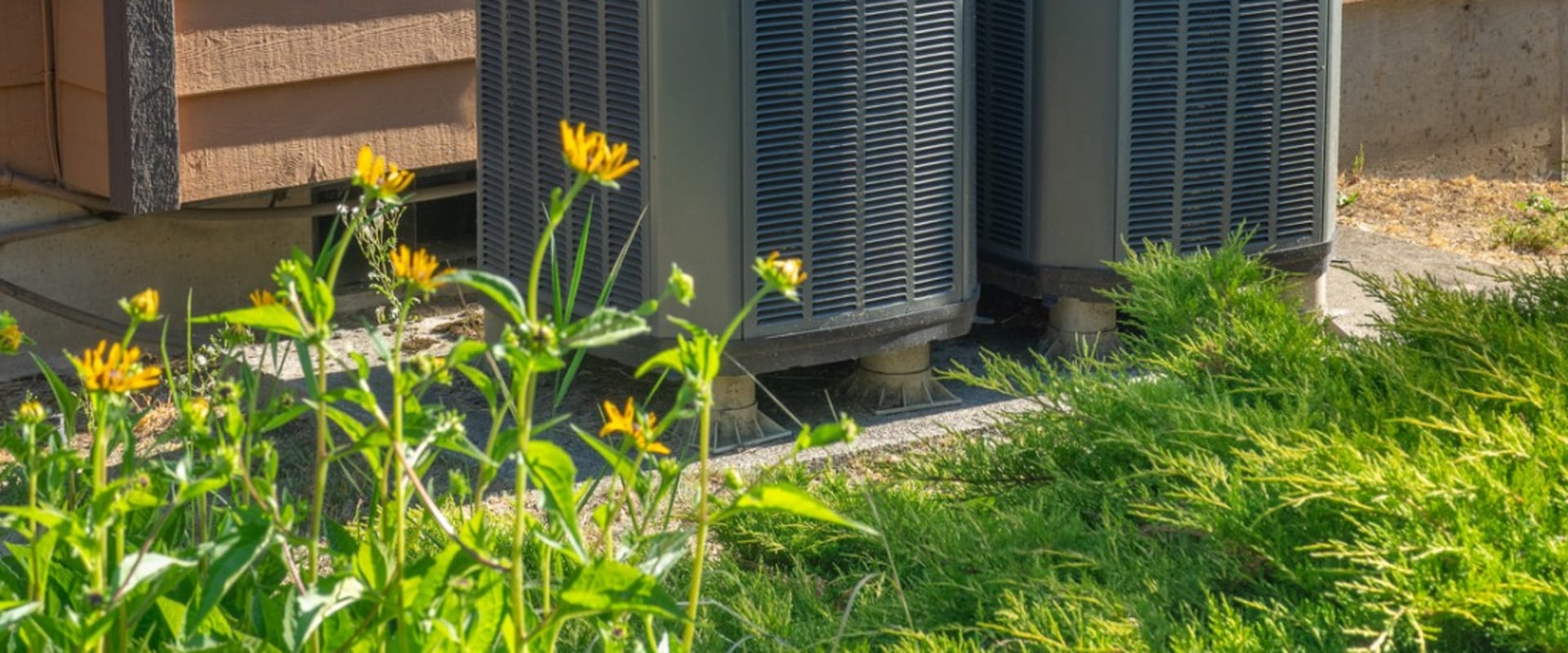
Heating, ventilation, and air conditioning (HVAC) systems are essential components of modern homes, providing comfort and maintaining indoor air quality throughout the year. These systems are designed to regulate temperature, humidity, and air quality, ensuring that your living environment remains pleasant regardless of external weather conditions. Understanding the intricacies of HVAC systems is crucial for homeowners who wish to optimize their energy efficiency and overall comfort. At the core of an HVAC system are several key components: the furnace or heat pump for heating, the air conditioner for cooling, and the ventilation system that circulates air throughout your home. Each component plays a vital role in maintaining a balanced indoor climate.
For instance, the furnace generates heat during colder months, while the air conditioner cools your home in the summer. The ventilation system ensures that fresh air is continuously circulated, preventing stale air buildup and promoting better indoor air quality. The importance of HVAC systems extends beyond mere comfort; they significantly impact energy consumption and utility bills. A well-functioning HVAC system operates efficiently, using less energy to achieve desired temperatures. Conversely, a neglected or poorly maintained system can lead to increased energy usage, resulting in higher costs and a larger carbon footprint.
By understanding how these systems work and their significance in your daily life, you can make informed decisions about maintenance and upgrades that will enhance both comfort and efficiency. In summary, HVAC systems are not just mechanical devices; they are integral to creating a healthy and comfortable living space. Recognizing their importance lays the groundwork for understanding why regular maintenance is essential. By prioritizing HVAC care, you can ensure that your system operates at peak performance, providing you with reliable comfort while also saving money on energy bills.
The Consequences of Neglecting HVAC Maintenance
Neglecting regular HVAC maintenance can lead to a myriad of negative consequences that extend beyond mere inconvenience. One of the most immediate impacts is the significant increase in energy bills.When an air conditioning system is not properly maintained, it struggles to operate efficiently. This inefficiency forces the system to consume more energy to achieve the desired cooling effect, resulting in higher utility costs. Over time, these increased expenses can add up, making regular maintenance a financially sound decision.Moreover, the quality of indoor air can deteriorate sharply when HVAC systems are neglected. A well-functioning air conditioning unit plays a vital role in filtering out airborne pollutants such as dust, pollen, and pet dander.
However, without routine maintenance, filters can become clogged and ineffective. This allows allergens and other harmful particles to circulate freely throughout your home, potentially leading to respiratory issues and other health problems for you and your family.In addition to poor air quality, neglecting AC maintenance can result in serious health risks. For instance, mold and mildew can develop in damp areas of the HVAC system if not regularly inspected and cleaned. These fungi can release spores into the air, exacerbating allergies and triggering asthma attacks.
Furthermore, stagnant water in the system can become a breeding ground for bacteria, posing additional health hazards.Another critical consequence of skipping HVAC maintenance is the risk of system breakdowns. Regular inspections allow technicians to identify worn or damaged components before they fail completely. Ignoring these signs can lead to unexpected breakdowns during peak usage times—such as sweltering summer days—when you need your AC the most. Such failures often require costly emergency repairs or even complete system replacements.In summary, the consequences of neglecting HVAC maintenance are far-reaching and multifaceted.
From skyrocketing energy bills and compromised indoor air quality to serious health risks and unexpected system failures, the importance of regular maintenance cannot be overstated. By prioritizing AC maintenance, homeowners not only protect their financial investment but also ensure a healthier living environment for their families.
How Regular Maintenance Saves You Money
Investing in regular HVAC maintenance is not just about ensuring comfort; it’s also a smart financial decision that can lead to significant cost savings over time. Here are some key ways that routine maintenance can help you save money:- Lower Energy Bills: One of the most immediate benefits of regular AC maintenance is a noticeable reduction in energy costs. A well-maintained air conditioning system operates at peak efficiency, consuming less energy to cool your home.
When components like filters and coils are clean, the system doesn’t have to work as hard, which translates to lower utility bills.
- Fewer Repairs: Regular maintenance allows HVAC technicians to identify and address minor issues before they escalate into major problems. For instance, a small refrigerant leak or a worn-out belt can be fixed during a routine check-up, preventing costly repairs down the line. By catching these issues early, you can avoid emergency repair costs that often come with system breakdowns.
- Extended Lifespan of Equipment: Just like any other mechanical system, your HVAC unit has a finite lifespan. However, with consistent maintenance, you can significantly extend its operational life.
A well-cared-for system can last 15 years or more, while neglected systems may fail after just a decade. This longevity means you won’t have to invest in a new unit as frequently, saving you thousands of dollars in replacement costs.
- Improved Resale Value: If you ever decide to sell your home, having a well-maintained HVAC system can enhance your property’s value. Prospective buyers are often willing to pay more for homes with updated and regularly serviced systems, as it indicates lower future maintenance costs for them.
The small cost of maintenance pales in comparison to the potential savings on energy bills, repairs, and equipment replacement. Make it a priority to schedule regular maintenance for your HVAC system; your future self will thank you.
Improving Indoor Air Quality Through Maintenance
Maintaining a clean and healthy indoor environment is essential for the well-being of your family, and one of the most effective ways to achieve this is through regular HVAC maintenance. The air quality in your home can significantly impact your health, especially for individuals with allergies, asthma, or other respiratory conditions. By ensuring that your HVAC system is properly maintained, you can help prevent the circulation of allergens and pollutants that can compromise indoor air quality.One of the primary components of HVAC maintenance is the inspection and replacement of air filters.Dirty or clogged filters can become breeding grounds for dust, mold, and bacteria, which can then be released into the air you breathe. During a maintenance visit, an HVAC technician will check the condition of your filters and replace them as necessary. This simple step can dramatically improve the air quality in your home.In addition to changing filters, regular maintenance includes cleaning the ducts and vents. Over time, dust and debris can accumulate in these areas, leading to poor airflow and reduced efficiency.
When your system is running, this buildup can be blown into your living spaces, contributing to respiratory issues and allergies. A thorough cleaning during maintenance helps ensure that only clean air circulates throughout your home.Another critical aspect of HVAC maintenance is checking for leaks in the ductwork. Leaky ducts can allow unconditioned air from attics or crawl spaces to enter your home, bringing with it pollutants such as dust, pollen, and even mold spores. By sealing these leaks during routine maintenance, you not only improve energy efficiency but also enhance indoor air quality.Moreover, regular HVAC servicing allows technicians to identify potential issues before they escalate into major problems.
For instance, a malfunctioning component may not only affect the cooling efficiency but could also lead to moisture buildup within the system. This moisture can create an environment conducive to mold growth, which poses serious health risks. By addressing these issues early on through routine maintenance, you can safeguard your home against harmful contaminants.In summary, HVAC maintenance plays a vital role in improving indoor air quality by ensuring that filters are clean, ducts are free from debris, and any potential issues are addressed promptly. By investing in regular maintenance for your HVAC system, you are not only enhancing comfort but also protecting the health of everyone in your household.
The Environmental Impact of Well-Maintained HVAC Systems
Regular HVAC maintenance is not just a matter of comfort and efficiency; it also plays a significant role in promoting environmental sustainability.By ensuring that your heating, ventilation, and air conditioning systems are operating at peak performance, you contribute to a reduction in energy consumption and greenhouse gas emissions.One of the primary environmental benefits of well-maintained HVAC systems is their enhanced energy efficiency. When an HVAC system is regularly serviced, it operates more smoothly and effectively. This means that it requires less energy to heat or cool your home, which directly translates to lower energy bills and reduced demand on power plants. In fact, according to the U.
S. Department of Energy, proper maintenance can improve the efficiency of your HVAC system by up to 15%.Moreover, when HVAC systems are inefficient, they often rely on fossil fuels for energy, which contributes to higher carbon emissions. By investing in regular maintenance, homeowners can significantly decrease their carbon footprint. This is particularly important as climate change continues to pose a serious threat to our planet.
Every small action counts, and maintaining your HVAC system is a practical step towards a more sustainable lifestyle.In addition to reducing energy consumption, regular maintenance helps extend the lifespan of your HVAC equipment. When components are cleaned and inspected regularly, they are less likely to fail prematurely. This not only saves you money on repairs and replacements but also minimizes waste. The production and disposal of HVAC units contribute to environmental degradation; thus, prolonging their life cycle is an eco-friendly practice.Furthermore, many HVAC maintenance practices include checking refrigerants for leaks.
Refrigerants can be potent greenhouse gases if released into the atmosphere. By ensuring that your system is leak-free through routine checks, you are actively participating in efforts to mitigate climate change.In conclusion, the environmental impact of well-maintained HVAC systems cannot be overstated. From improving energy efficiency to reducing carbon emissions and prolonging equipment life, regular maintenance is a crucial aspect of promoting sustainability. By prioritizing HVAC maintenance, you not only enhance your home’s comfort but also contribute positively to the environment.
When and How Often Should You Schedule Maintenance?
Establishing a regular HVAC maintenance schedule is essential for ensuring the longevity and efficiency of your air conditioning system.However, determining how often to service your AC unit can depend on several factors, including the age of the system, usage patterns, and local climate conditions.
1.Age of the System
The age of your HVAC system plays a significant role in how often you should schedule maintenance. Generally, newer systems require less frequent servicing compared to older units. For systems that are less than five years old, an annual maintenance check is typically sufficient. However, as systems age, they may require more frequent inspections—ideally every six months—to ensure they are operating efficiently and to catch any potential issues early.
2.Usage Patterns
Your usage patterns also influence your maintenance schedule.
If you use your AC unit heavily during peak summer months or live in a region with extreme temperatures, more frequent maintenance may be necessary. In such cases, consider scheduling maintenance twice a year: once in the spring before the cooling season begins and again in the fall to prepare for winter.
3.Local Climate Conditions
The climate in your area can significantly impact how often you should service your HVAC system. For instance, homes in humid climates may experience more wear and tear due to moisture buildup, which can lead to mold growth and other issues. Conversely, dry climates may cause dust accumulation that can clog filters and ducts.
Homeowners in these regions should consider more frequent maintenance checks—potentially every three to four months—to keep their systems running smoothly.
4.Signs Your System Needs Attention
- Increased energy bills without a change in usage
- Unusual noises or smells coming from the unit
- Inconsistent temperatures throughout your home
- Frequent cycling on and off
What to Expect During an HVAC Maintenance Visit
When you schedule an HVAC maintenance visit, it’s essential to know what to expect. A professional technician will follow a comprehensive HVAC maintenance checklist to ensure that every aspect of your system is thoroughly inspected and serviced. Here’s a breakdown of the typical procedures performed during an AC service visit:- Inspection of the System: The technician will start by examining the entire HVAC system, including the air conditioning unit, ductwork, and thermostat. This initial inspection helps identify any visible issues or signs of wear and tear.
- Filter Replacement: One of the most critical tasks is checking and replacing the air filter.
A clean filter is vital for optimal airflow and indoor air quality. If the filter is clogged, it can restrict airflow and force your system to work harder.
- Cleaning Components: Dust and debris can accumulate in various parts of your HVAC system. The technician will clean the evaporator and condenser coils, as well as the blower components, to enhance efficiency and prevent overheating.
- Checking Refrigerant Levels: The technician will check the refrigerant levels in your AC unit. Low refrigerant can indicate a leak, which needs to be addressed promptly to avoid damage to the compressor.
- Testing Electrical Connections: All electrical connections will be inspected for signs of wear or corrosion.
Loose or damaged connections can lead to system failures or even pose safety hazards.
- Thermostat Calibration: The technician will ensure that your thermostat is functioning correctly and accurately reading temperatures. Proper calibration helps maintain comfort levels in your home.
- System Performance Evaluation: After completing the necessary checks and services, the technician will run the system to evaluate its performance. This includes checking airflow, temperature differentials, and overall operation.
Don’t hesitate to ask your technician questions during the visit; they are there to help you understand your system better and ensure it operates at peak performance.
DIY vs. Professional Maintenance: Finding the Right Balance
When it comes to maintaining your HVAC system, homeowners often find themselves at a crossroads: should they tackle maintenance tasks themselves or hire a professional? Both DIY and professional maintenance have their advantages and disadvantages, and understanding the right balance can help you keep your air conditioning system running smoothly.DIY HVAC Maintenance Tips
- Change the Air Filter: One of the simplest yet most effective DIY tasks is regularly changing or cleaning your air filter. A clean filter improves airflow and efficiency, reducing energy costs.
- Clean the Outdoor Unit: Keeping the outdoor condenser unit free from debris such as leaves, dirt, and grass clippings is essential. Regularly check and clean the area around the unit to ensure proper airflow.
- Inspect Ductwork: Look for visible signs of wear or damage in your ductwork.
Sealing any leaks can improve efficiency and indoor air quality.
- Check Thermostat Settings: Ensure your thermostat is functioning correctly. Sometimes, recalibrating or replacing batteries can resolve issues without needing a technician.
When to Call in a Professional
- Complex Repairs: If you notice unusual noises, strange smells, or inconsistent cooling, it’s time to call an HVAC technician. These issues often indicate underlying problems that require expert diagnosis.
- Annual Inspections: Scheduling a professional inspection at least once a year is crucial. Technicians can perform comprehensive checks that include testing refrigerant levels, inspecting electrical components, and ensuring all parts are functioning optimally.
- System Upgrades: If you’re considering upgrading your HVAC system or adding new components, professional guidance is essential to ensure compatibility and efficiency.
Striking the right balance between DIY efforts and professional services will not only enhance the performance of your AC system but also extend its lifespan, ensuring comfort in your home for years to come.
Common Myths About HVAC Maintenance Debunked
When it comes to HVAC maintenance, several myths and misconceptions can lead homeowners to make poor decisions regarding their systems. Understanding the truth behind these myths is essential for ensuring your air conditioning unit operates efficiently and effectively.- Myth 1: HVAC Maintenance is Only Necessary When Problems Arise
Many homeowners believe that they only need to schedule maintenance when their system shows signs of trouble. In reality, regular maintenance is crucial for preventing issues before they occur. Just like a car requires routine check-ups to avoid breakdowns, your HVAC system needs consistent care to function optimally. - Myth 2: Changing the Air Filter Once a Year is Sufficient
While changing your air filter annually is better than not changing it at all, it is often not enough.Depending on usage and environmental factors, filters should be checked and replaced every 1-3 months. A dirty filter can restrict airflow, causing your system to work harder and increasing energy costs.
- Myth 3: DIY Maintenance is Just as Effective as Professional Service
Some homeowners attempt to perform their own maintenance tasks, believing they can save money. However, professional technicians have the training and experience to identify potential issues that an untrained eye might miss. Regular professional inspections can catch problems early, saving you from costly repairs down the line. - Myth 4: HVAC Systems Don’t Need Maintenance if They’re New
Even new systems require regular maintenance to ensure they operate efficiently.Neglecting maintenance can lead to premature wear and tear, negating the benefits of your investment. Regular check-ups help maintain warranties and ensure optimal performance.
- Myth 5: All HVAC Maintenance Tasks are the Same
Not all maintenance tasks are created equal. Different systems may require specific care based on their design and components. It’s essential to follow the manufacturer’s guidelines for maintenance to ensure your system remains in top condition.
Regular maintenance not only improves performance but also contributes to a healthier indoor environment.
Conclusion: The Essential Nature of Regular HVAC Maintenance
In summary, the significance of regular HVAC maintenance cannot be overstated. As we have explored throughout this article, neglecting AC maintenance can lead to a myriad of issues that affect not only your wallet but also your health and the environment.Financial Savings
- One of the most compelling reasons to prioritize HVAC maintenance is the potential for significant financial savings. A well-maintained system operates efficiently, which translates to lower energy bills. When your air conditioning unit is running optimally, it consumes less energy, allowing you to enjoy a comfortable home without breaking the bank.
- Moreover, regular maintenance helps prevent costly repairs.
By identifying and addressing minor issues before they escalate into major problems, you can avoid unexpected expenses that come with emergency repairs or even complete system replacements.
Health Benefits
- Another critical aspect of HVAC maintenance is its impact on indoor air quality. A clean and well-functioning system filters out allergens and pollutants, ensuring that the air you breathe is safe and healthy. This is especially important for families with children, elderly members, or individuals with respiratory conditions.
- By committing to regular maintenance, you are actively safeguarding your family’s health and well-being. Clean air contributes to better overall health and can reduce the incidence of allergies and respiratory issues.
Environmental Impact
- Finally, regular HVAC maintenance plays a vital role in environmental sustainability.
An efficient system not only reduces energy consumption but also lowers greenhouse gas emissions. By investing in AC maintenance, you are contributing to a healthier planet.
- As we face increasing environmental challenges, every small action counts. Maintaining your HVAC system is a simple yet effective way to reduce your carbon footprint.
Don’t wait for problems to arise; take proactive steps today by scheduling your next maintenance session. Your wallet, your family’s health, and the planet will thank you.